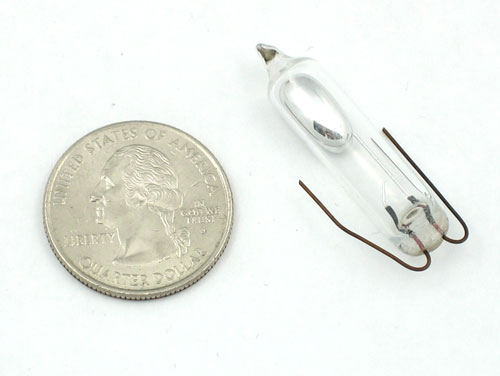
What is a tilt sensor?
Tilt sensors allow you to detect orientation or inclination. They are small, inexpensive, low-power and easy-to-use. If used properly, they will not wear out. Their simplicity makes them popular for toys, gadgets and appliances. Sometimes they are referred to as "mercury switches", "tilt switches" or "rolling ball sensors" for obvious reasons. They are usually made by a cavity of some sort (cylindrical is popular, although not always) and a conductive free mass inside, such as a blob of mercury or rolling ball. One end of the cavity has two conductive elements (poles). When the sensor is oriented so that that end is downwards, the mass rolls onto the poles and shorts them, acting as a switch throw. Tilt switches used to be made exclusively of mercury, but are rarer now since they are recognized as being extremely toxic. The benefits of mercury is that the blob is dense enough that it doesn't bounce and so the switch isn't susceptible to vibrations. On the other hand, ball-type sensors are easy to make, wont shatter, and pose no risk of pollution.
While not as precise or flexible as a full accelerometer, tilt switches can detect motion or orientation simply. Another benefit to them is that the big ones can switch power on their own. Accelerometers, on the other hand, output digital or analog voltage that must then be analyzed with extra circuitry. Basic Stats. These stats are for the tilt sensor in the Adafruit shop which is very much like the 107-2006-EV. Nearly all will have slightly different sizes & specifications, although they all pretty much work the same. If there's a datasheet, you'll want to refer to it
- Size: Cylindrical, 4mm (0.16") diameter & 12mm (0.45") long.
- Sensitivity range: > +-15 degrees
- Lifetime: 50, 000+ cycles (switches)
- Power supply: Up to 24V, switching less than 5mA
Step 1: Testing Your Tilt
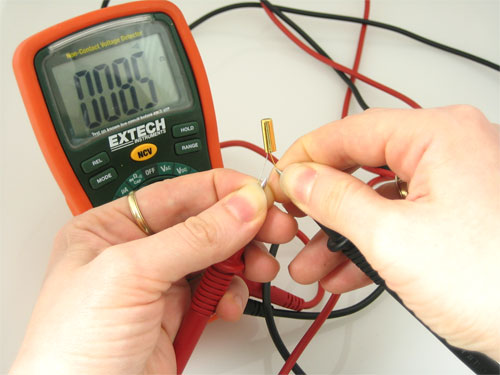
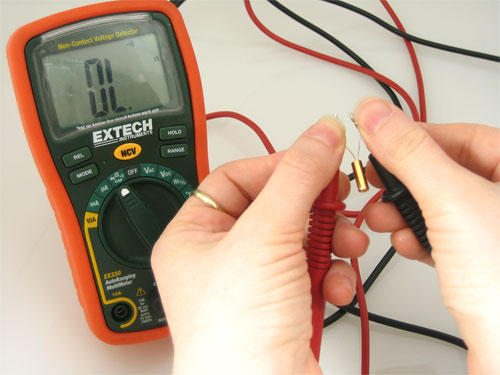
Testing your sensor is simple. Put your multimeter into continuity-test mode and touch the probes to the two leads. Then tilt to determine the angle at which the switch opens and closes.
Step 2: Connecting to Your Sensor
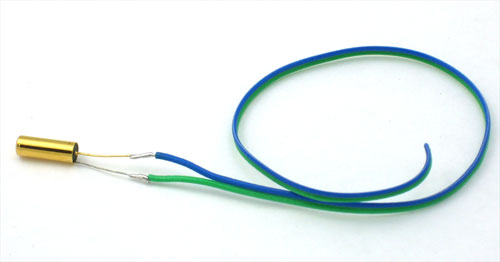
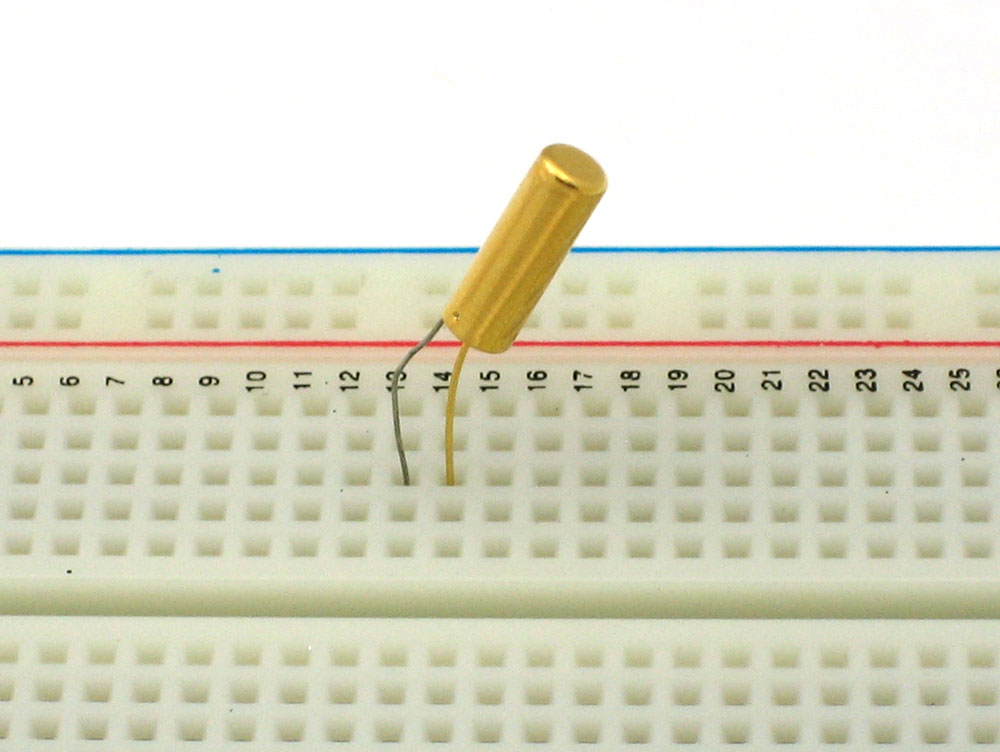
Tilt switches are pretty hardy, you can easily solder to them, clip the leads, plug them into breadboards, use alligator clips, etc. The only care you should take is to avoid bending the leads too much as they may break off.
Step 3: Project Examples
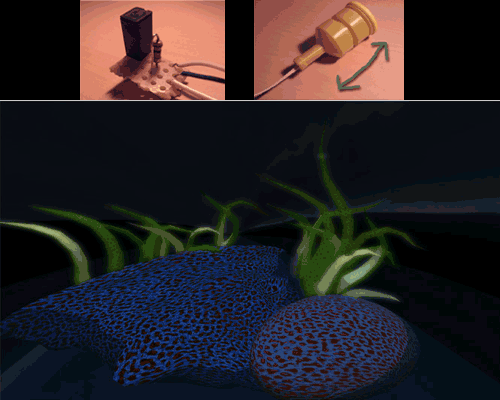

Step 4: Simple Tilt-activated LED
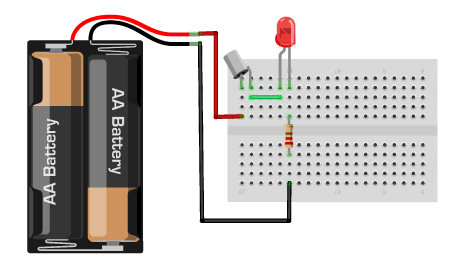
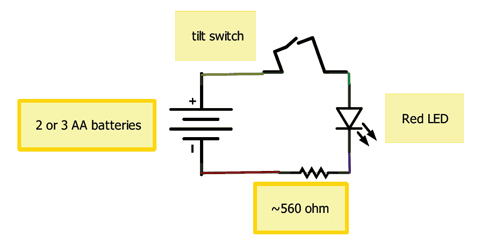
This is the most basic way of connecting to a tilt switch, but can be handy while one is learning about them. Simply connect it in series with an LED, resistor and battery. Tilt to turn on and off.
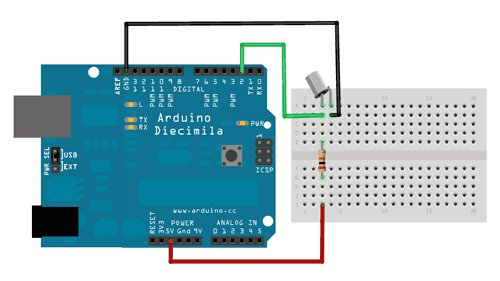
Step 5: Reading Switch State With a Microcontroller
EXPANDED TECHNICAL DETAILS
Orientation Sensing Logic
Tilt sensors (or inclinometers) detect orientation changes using a simple rolling ball or mercury switch mechanism.
- Digital Input: The Arduino monitors a digital pin connected to the tilt sensor. When the device rotates beyond a specific angle (e.g., 45 degrees), the internal switch closes, sending a HIGH signal to the microcontroller.
- Debouncing: To prevent false triggers from vibration, the firmware implements a short software debounce (e.g., 50ms pulse verification).
Creative Applications
- Interactive Toys: Changing the sound or light of a plush toy when it's "flipped."
- Safety Systems: Detecting if a ladder or a piece of heavy machinery has tipped over.
- Power Management: Automatically turning off a flashlight or display when the device is placed face-down, demonstrating the power of simple binary sensors in smart design.