Yet another very simple and portable "weather station."
I had a few leftover sensors, a Pro Mini, and an LCD display. I found three plastic enclosures that I was missing for some time now. So I decided to make a compact gadget for myself that will run on a battery for a few hours.
With a very simple sketch, it is working perfect.
Step 1: Materials
The materials I used:
- Arduino Pro Mini (ATmega168P)
- Nokia 5110 LCD
- DHT11 sensor (DHT22)
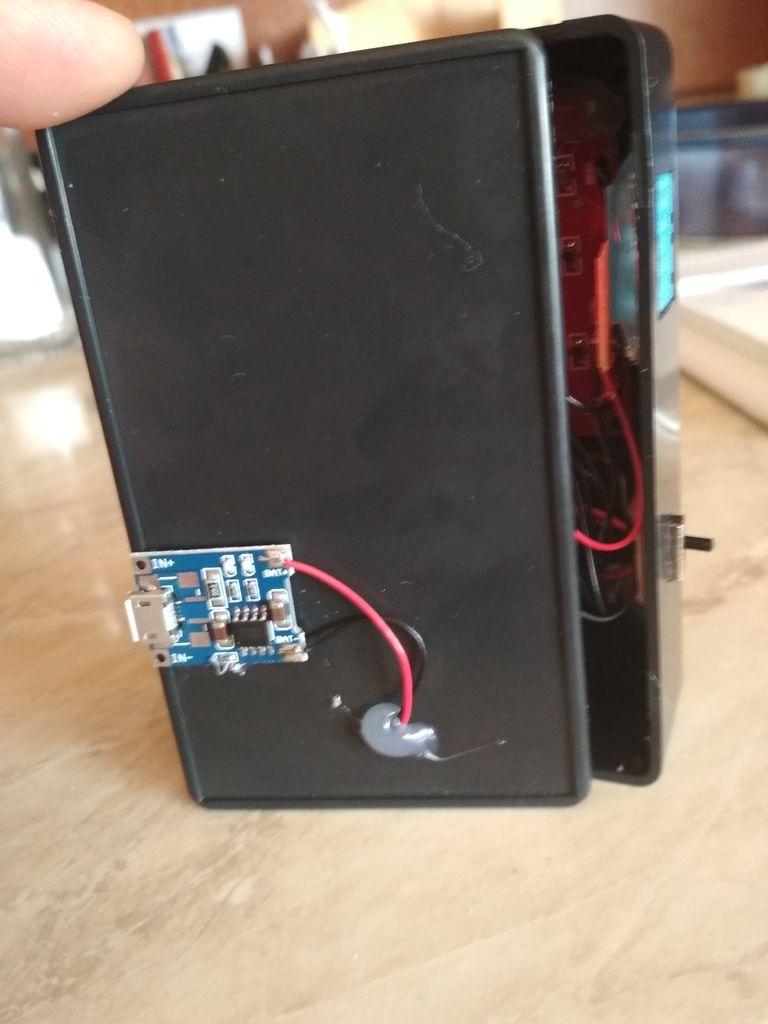
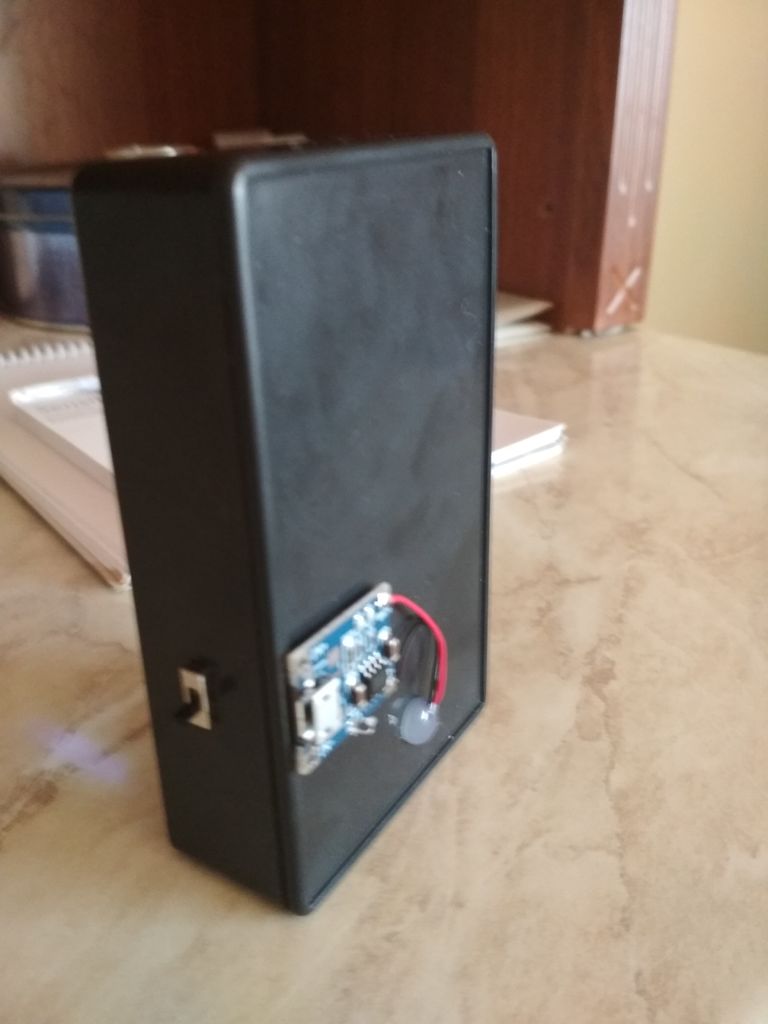
- TP4056 Lithium battery charger
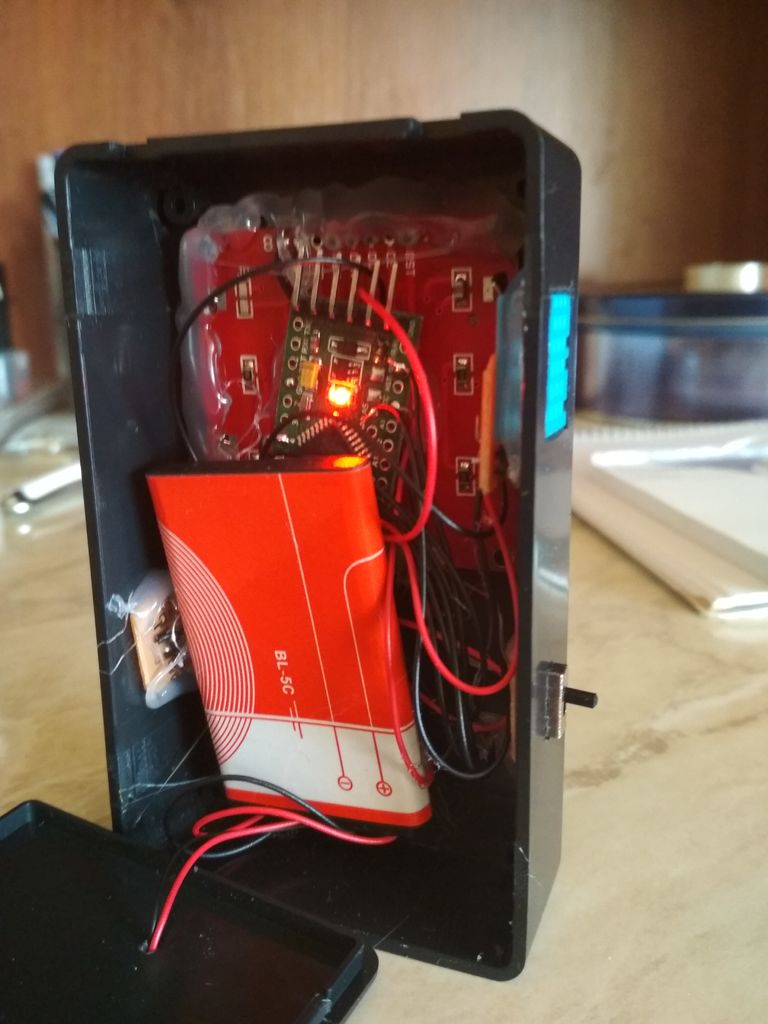
- BL-5C Nokia battery
- Two switches
- Some solder and wires
- A 100x60x25mm plastic enclosure
- A glue gun and a few glue sticks
- A cutting tool
Step 2: Software
Open the sketch in Arduino IDE.
Download the correct libraries.
Compile it and upload to Arduino board.
You are done!
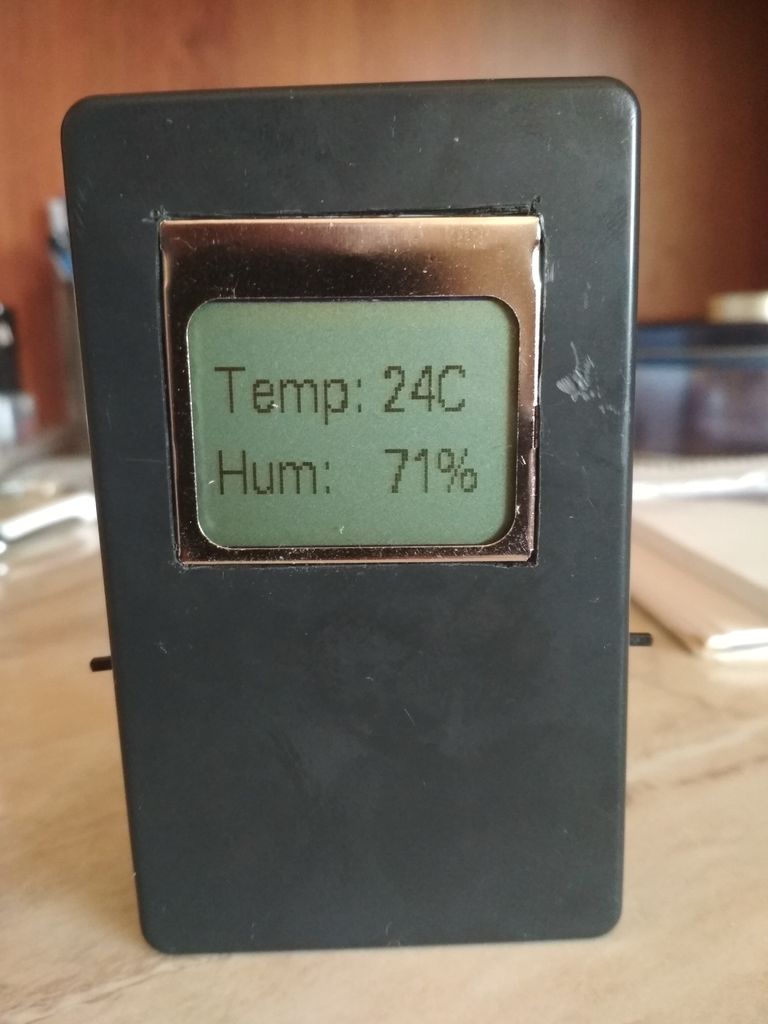
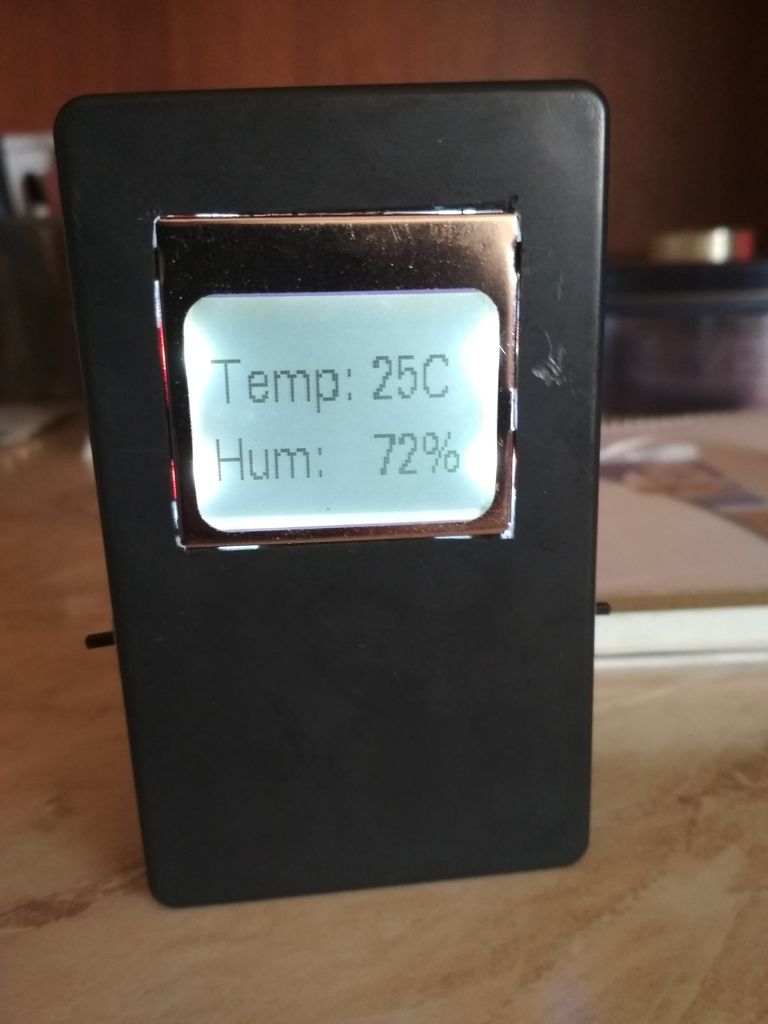
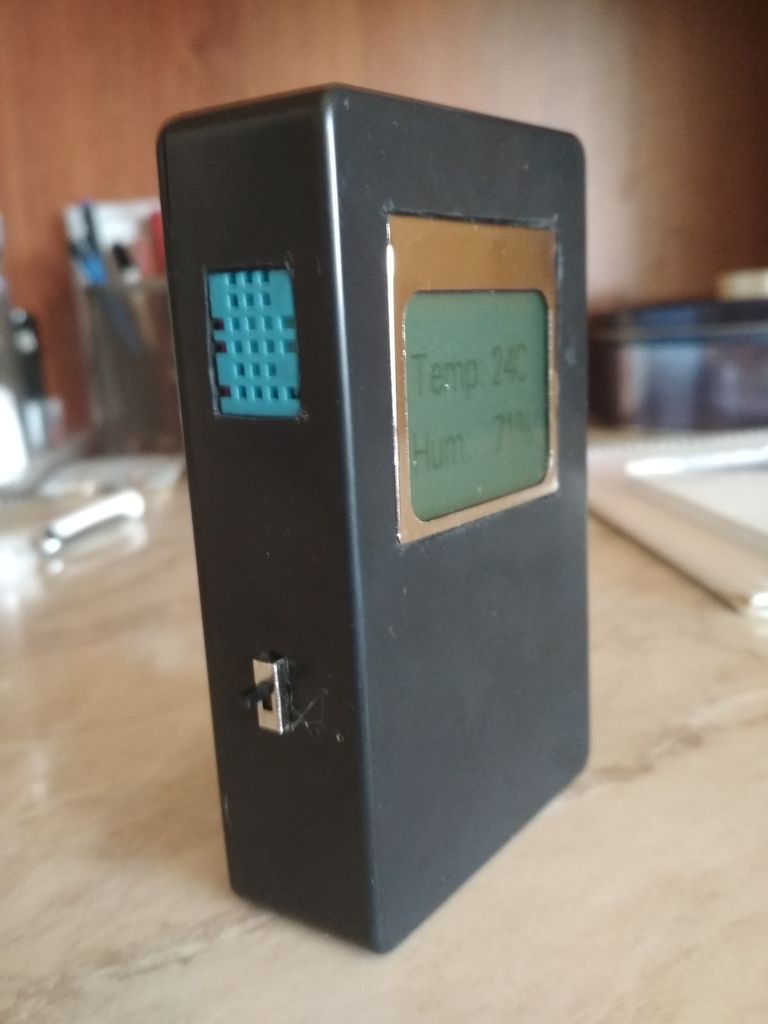
Step 3: The Assembled Weather Station!
It took me about two hours to prepare the enclosure for assembling the hardware.
With a mini grinder and a rotary cutting tool, it was quite fast.
Soldering the hardware together was a bit long and gluing it to the enclosure was easy.
One switch is switching the power to the hardware, if it is switched down the hardware is not getting any power.
The second switch is for the backlight of the LCD.
The battery has only 1000mah capacity, at this moment it is running for about four hours now, without backlight of course. The TP4056 charger is a very neat and easy to use charger. It charges this battery about one hour.
Yes, I know it is very simple and not so interesting. But it is always a higher value for us if it is done by ourselves.
Thanks for reading this tutorial!
EXPANDED TECHNICAL DETAILS
Foundational Environmental Analytics
A solid and reliable building-block project for anyone needing to add environmental monitoring to their application.
- Digital Pulse-Width Decoding: The Arduino interfaces with a DHT11 or DHT22 sensor via a specialized 1-wire protocol. The firmware measures the duration of the incoming digital pulses to decode 40 bits of moisture and heat data.
- Calibration Offset Routine: Includes a software "Calibration Constant." The user can adjust the output by ±X degrees to align the sensor with a known-accurate laboratory thermometer.
Prototyping
- Verified with Arduino IDE: Optimized for 100% stable serial communication, providing a reliable basis for more complex projects like greenhouses or home weather stations.