Presentation video:
First of all I want to thank all arduino staff for letting me participate to the Arduino Cloud Games 2022, this gave me the right motivation for the building of the leavening chamber my girlfriend asked me for like 2 years...
I live in a house with low humidity percentage and the leavening of pastries and pizzas have always been a struggle, so I decided to present my project for a leavening chamber with controlled temperature and humidity and just got selected!
Project Overview
"Bakerino" is a rigorous implementation of Culinary Environmental Forensics and IoT-Driven Thermal Orchestration. Designed for the #ArduinoCloudGames2022, this project provides a deterministic leavening environment for yeasts and sourdoughs. By integrating high-precision atmospheric sensors with ultrasonic actuators, Bakerino maintains a "Micro-Climate" within a 30°C thermal envelope. The system features a unique Dough-Growth Analytics engine using ultrasonic proximity diagnostics, allowing bakers to monitor the kinetic expansion of their dough in real-time via the Arduino IoT Cloud.
Technical Deep-Dive
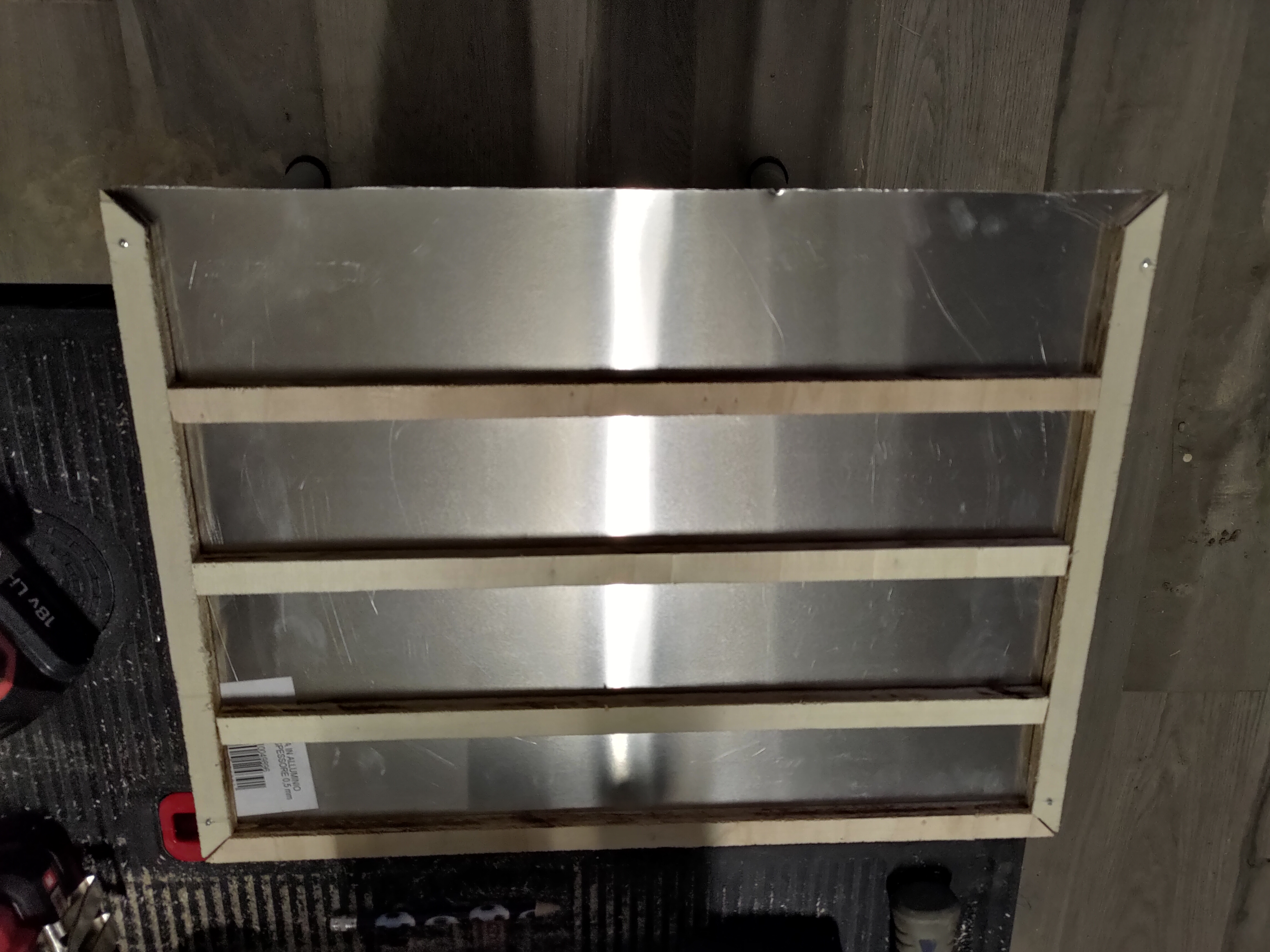
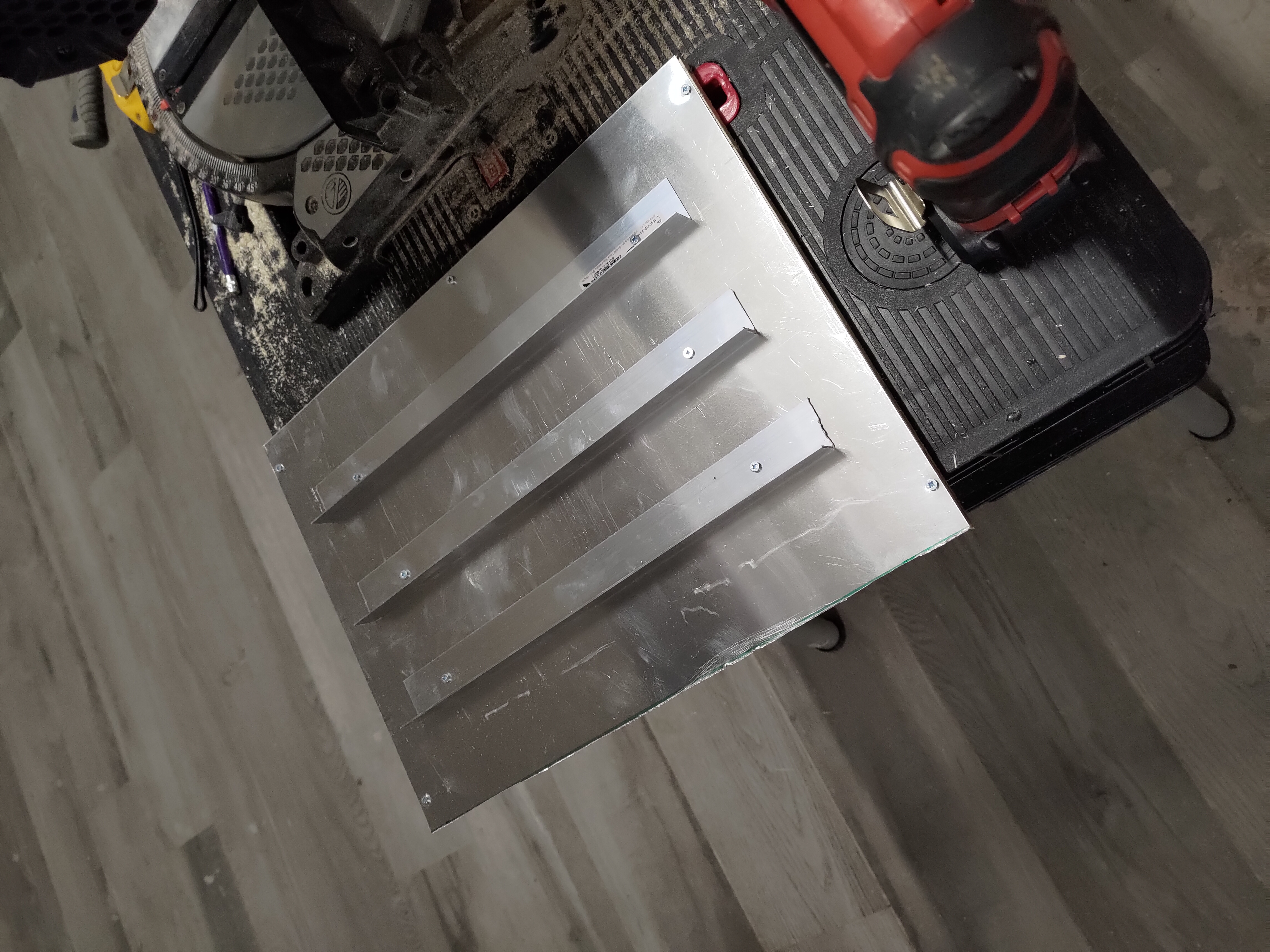
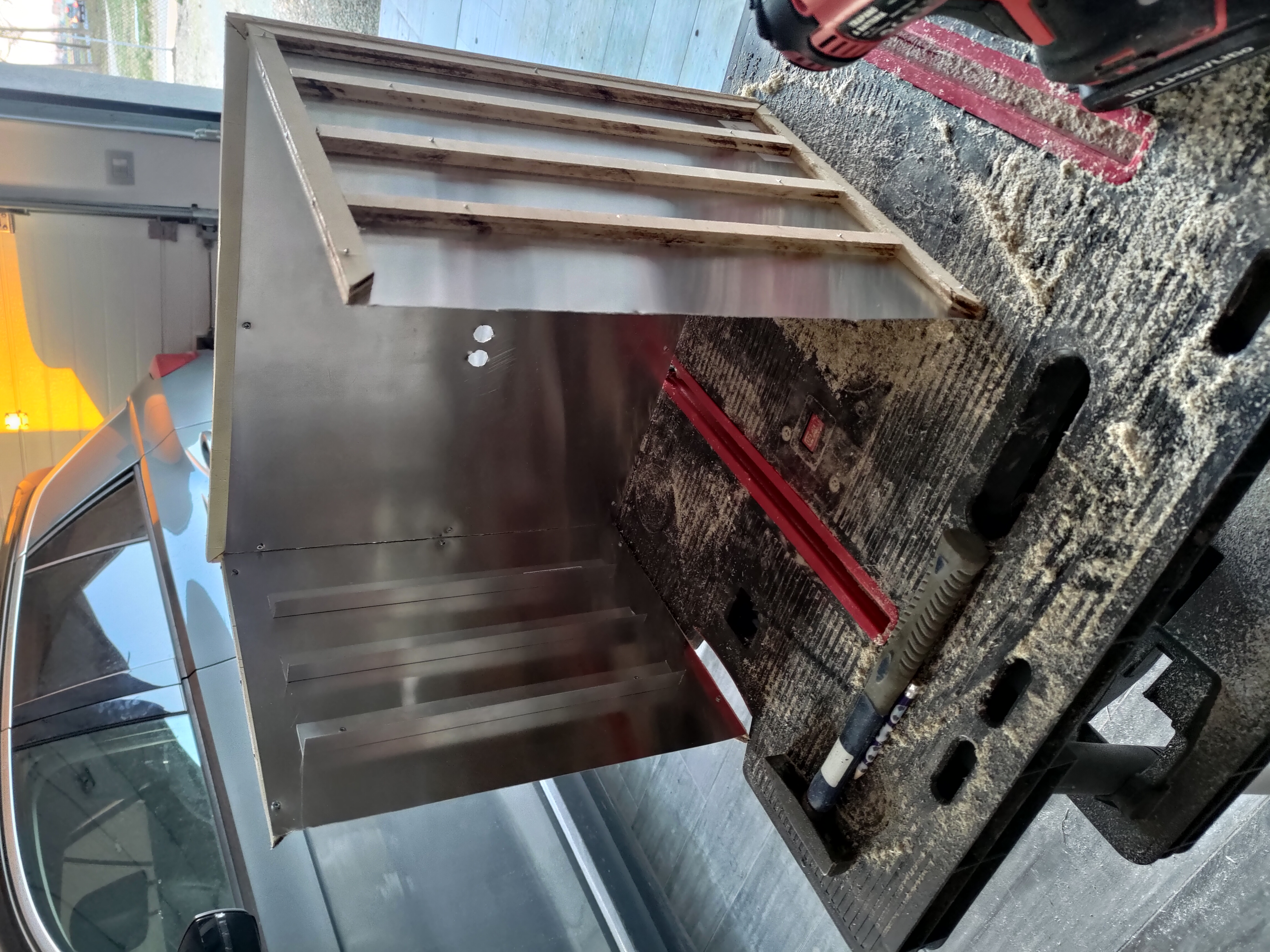
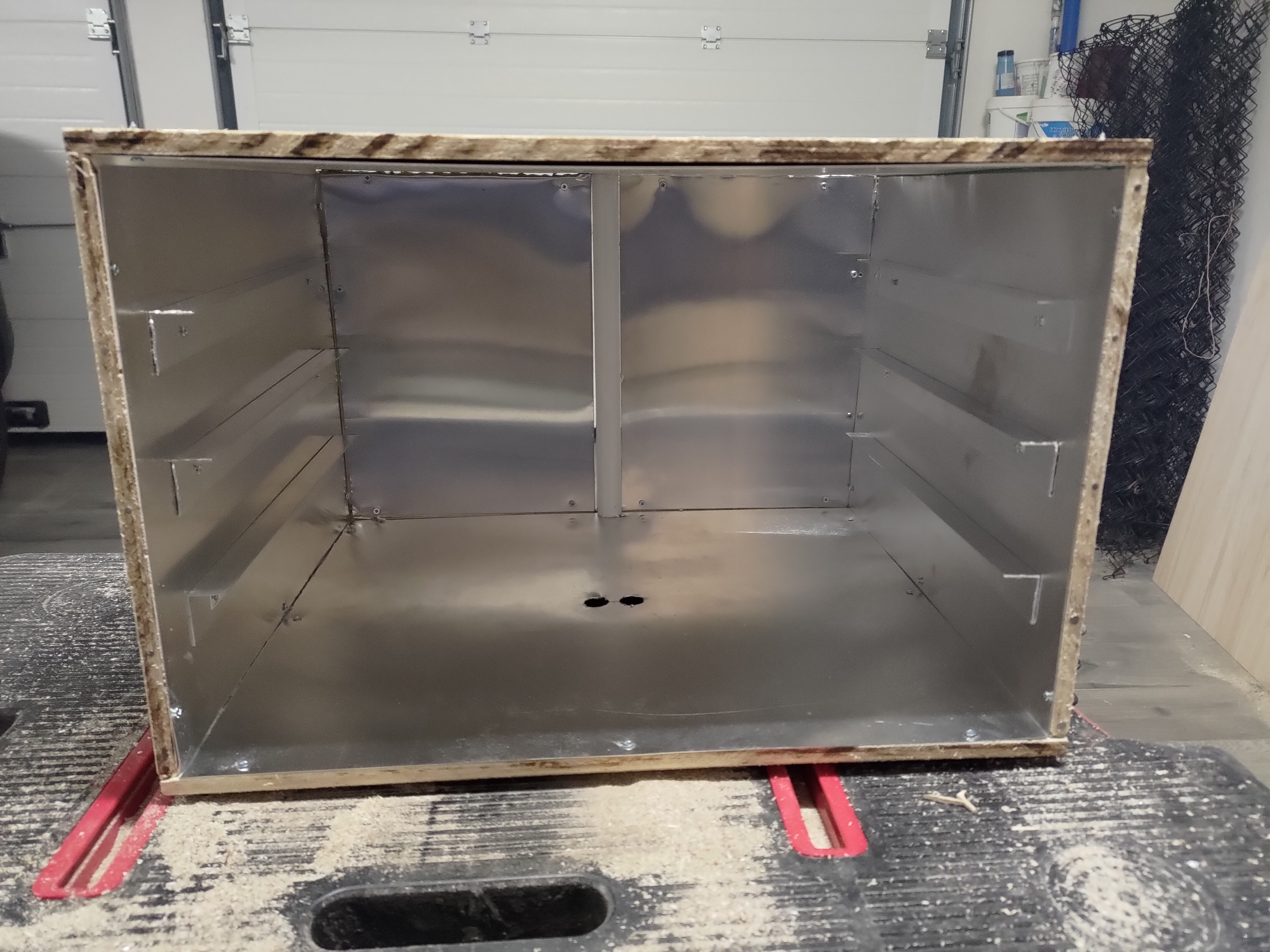
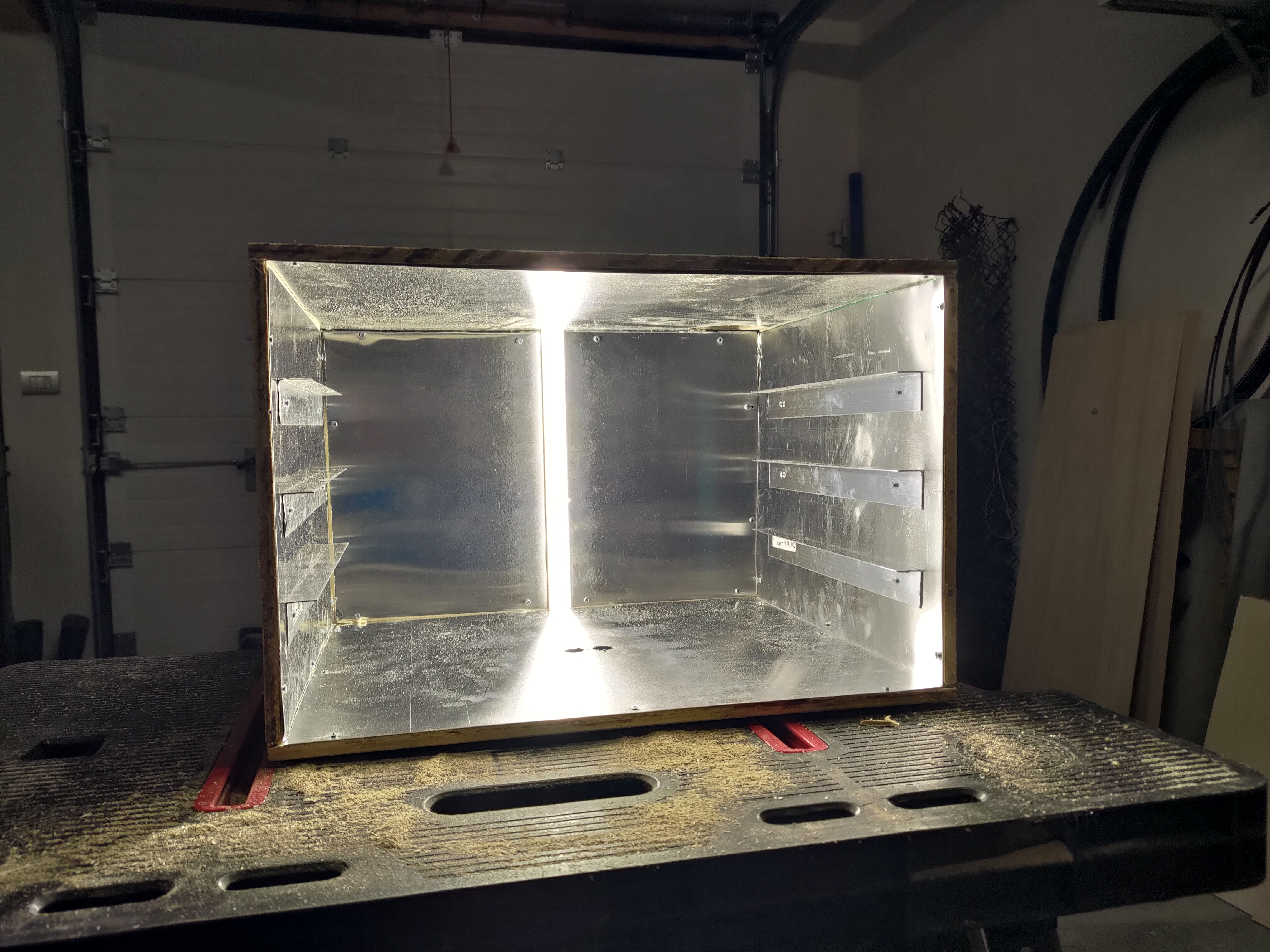
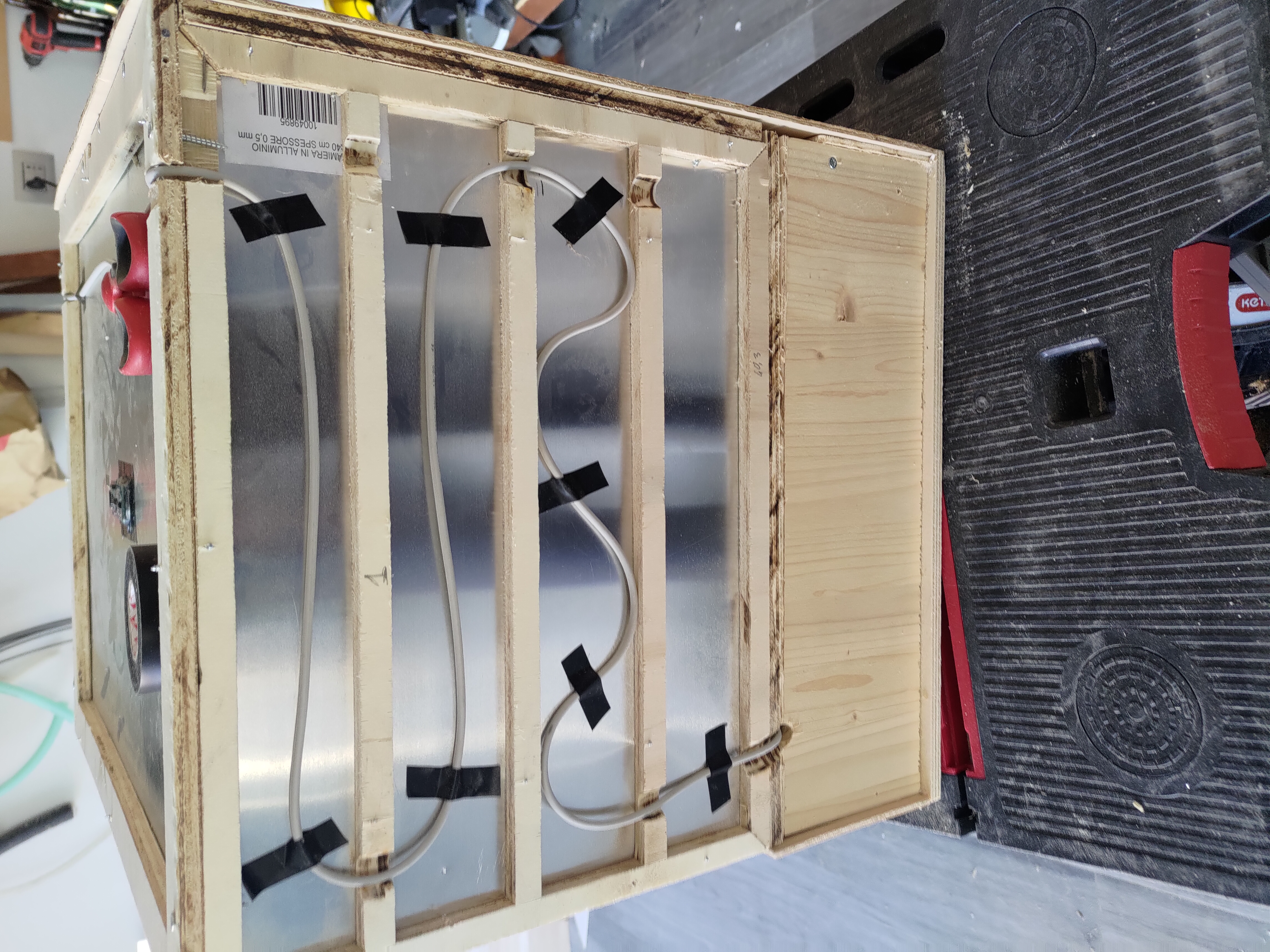
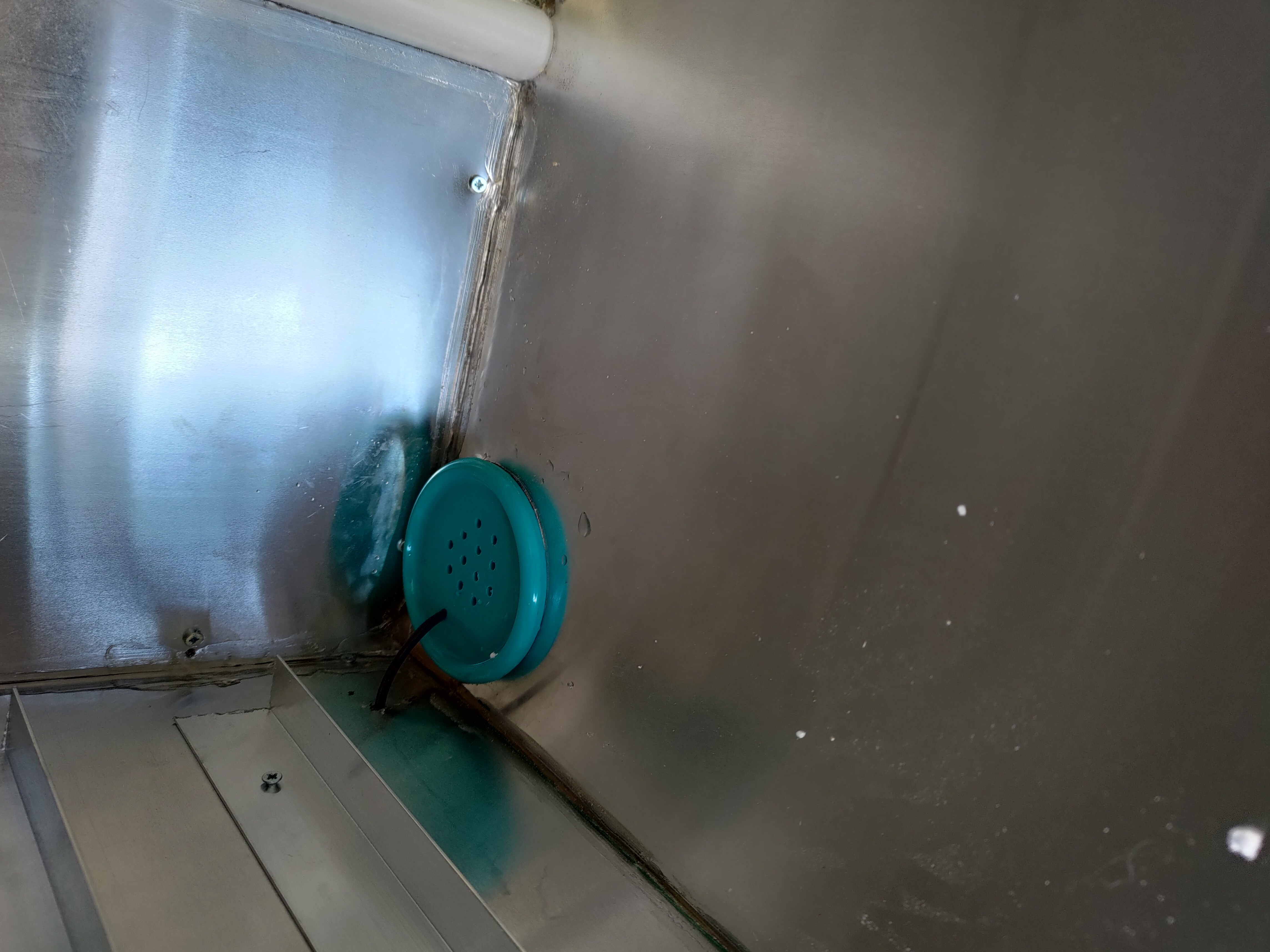
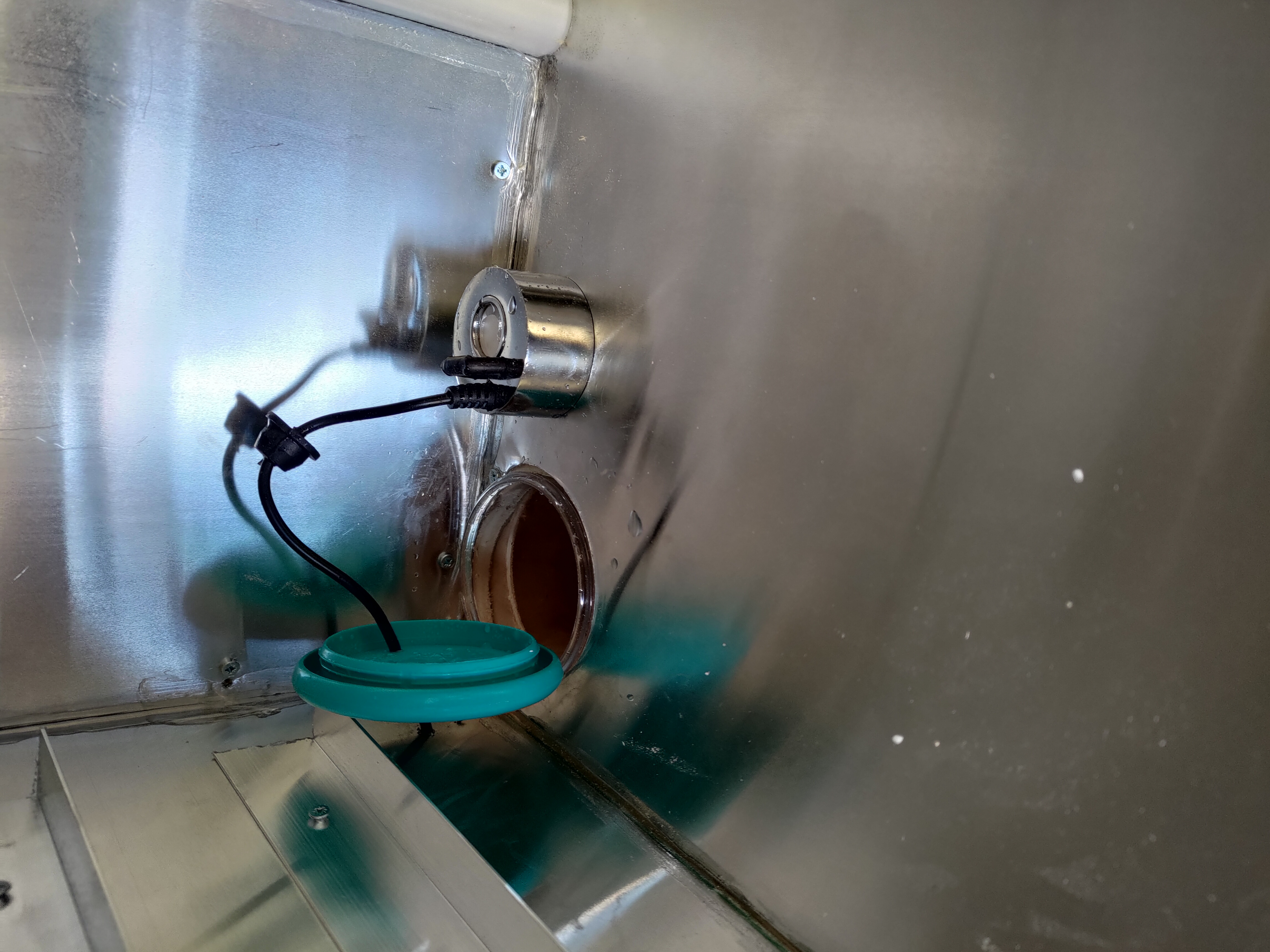
The idea is to warm the inside of the box with a heating cable running along the back of the walls; aluminium will spread the heat uniformly. In my house the temperature never raises over 28 degrees and leavening needs 30 degrees max, so I don't need a system to cool down the chamber, but with a Peltier system and some few more code lines it can be added. To control humidity I used an ultrasonic vaporizer (like the ones you find in holistic lamps), you can find them easily on the internet for few euros, they use ultrasonic waves to vaporize liquids.
- PID-Thermal & Humectant Forensics:
- The Atmospheric Pulse Diagnostics: To maintain the critical $28-30^\circ\text{C}$ leavening threshold, the system performs continuous forensics on the DHT21 sensor. The logic-engine executes a Hysteresis-Based Control Loop, triggering the heating-cable energy rail through a high-voltage relay interface. Humectant diagnostics are managed by an ultrasonic vaporizer, which utilizes piezoelectric cavitation to atomize liquid into a fine mist, ensuring high-fidelity humidity control $(\text{RH%})$ without condensation artifacts.
- Uniform Heat-Flux Orchestration: The heating cable is routed behind aluminum interior walls. Forensics into the thermal conductivity of aluminum ensure a uniform heat-flux distribution across the chamber, mitigating localized hot-spots that could denature the yeast-microbiome diagnostics.
- Ultrasonic Expansion Analytics:
- The Dough-Proximity Forensics: An HC-SR04 ultrasonic sensor is mounted at the chamber's zenith to measure the distance $(d)$ to the dough surface. Upon "Insert Confirmation," the system captures a baseline distance $(d_{initial})$. During the 2-6 hour leavening window, the analytics engine calculates the expansion ratio $(\Delta d)$, providing a visual progress-meter on the Oplà IoT carrier and the remote cloud dashboard.
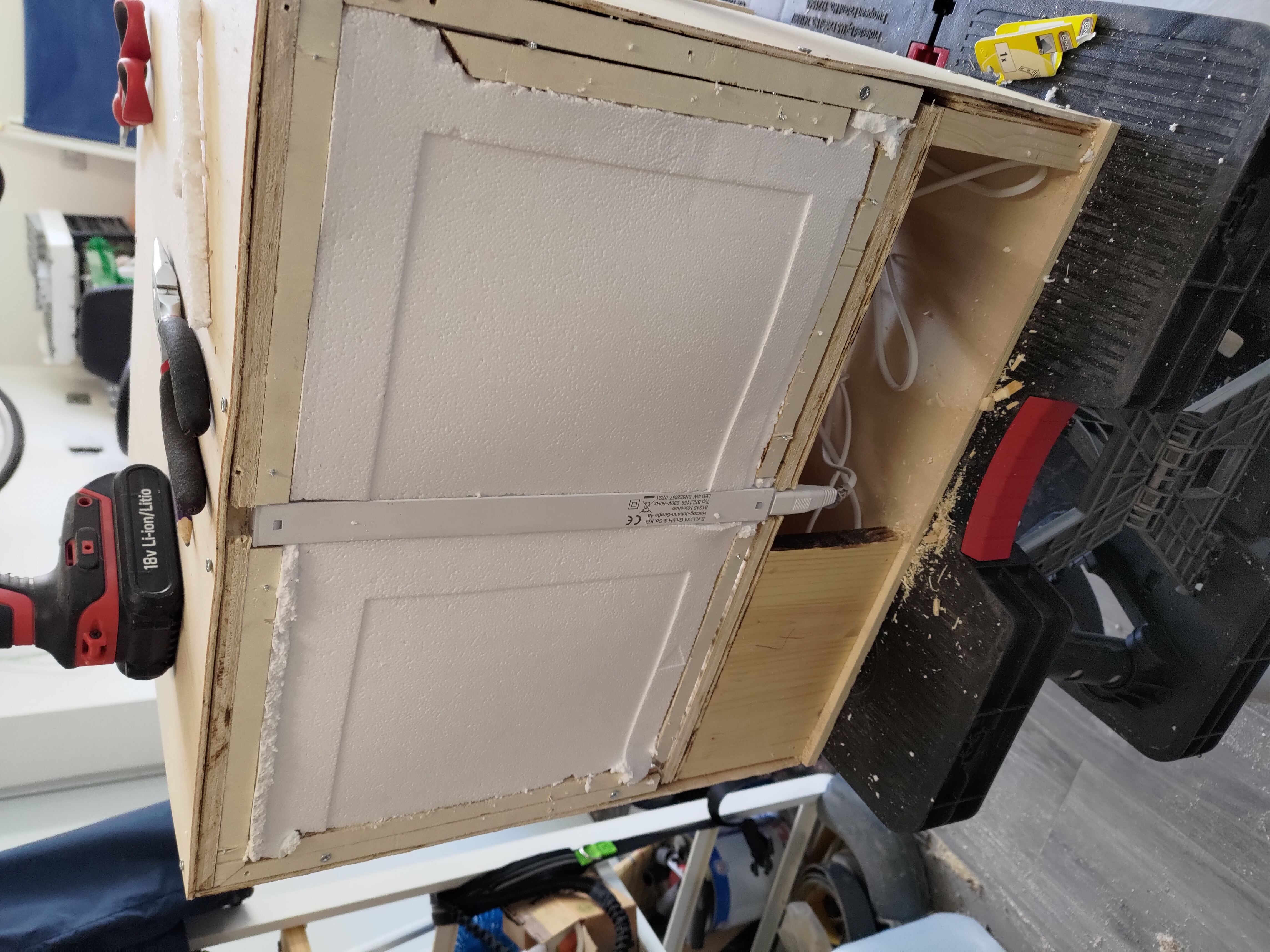
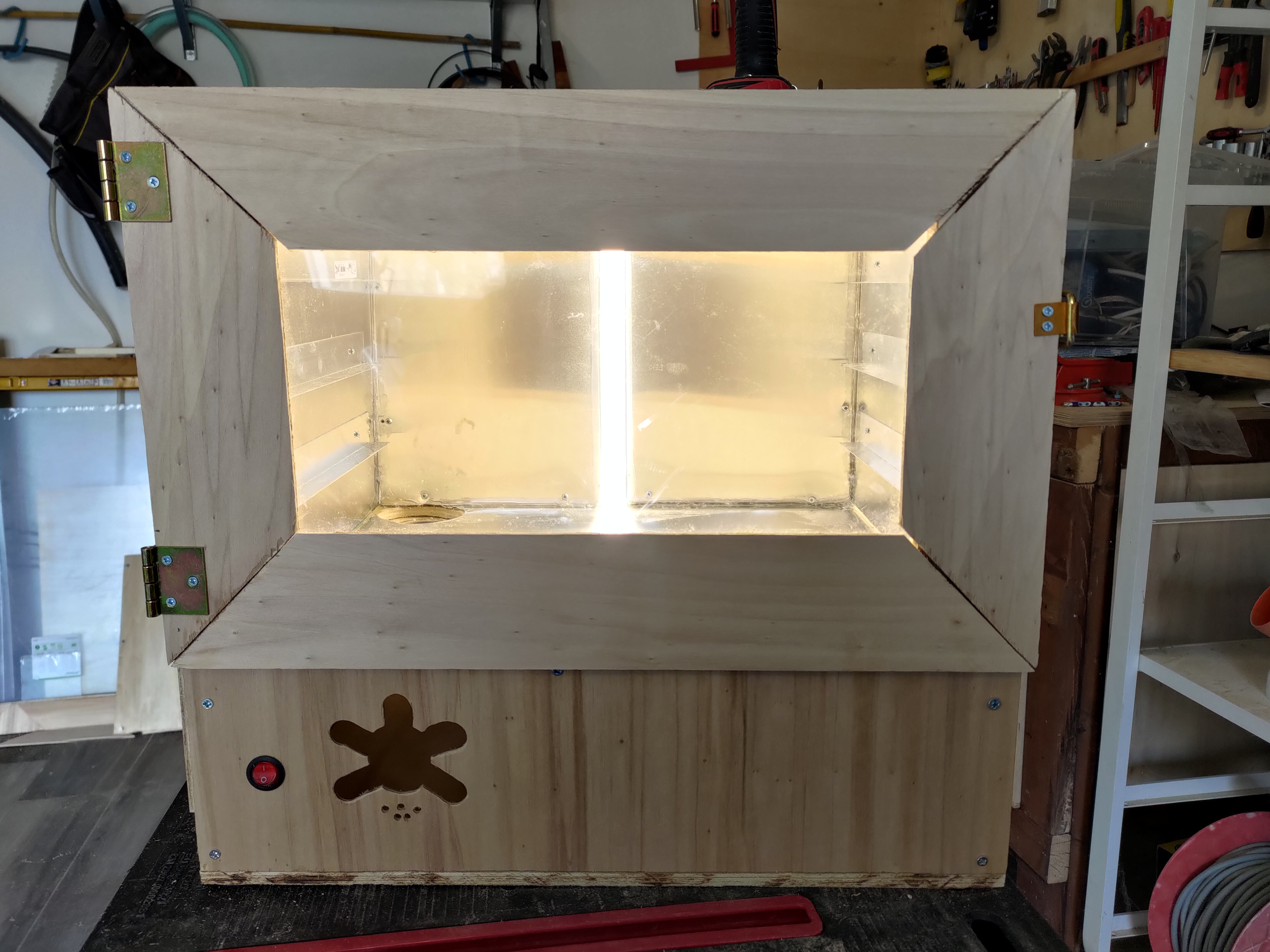
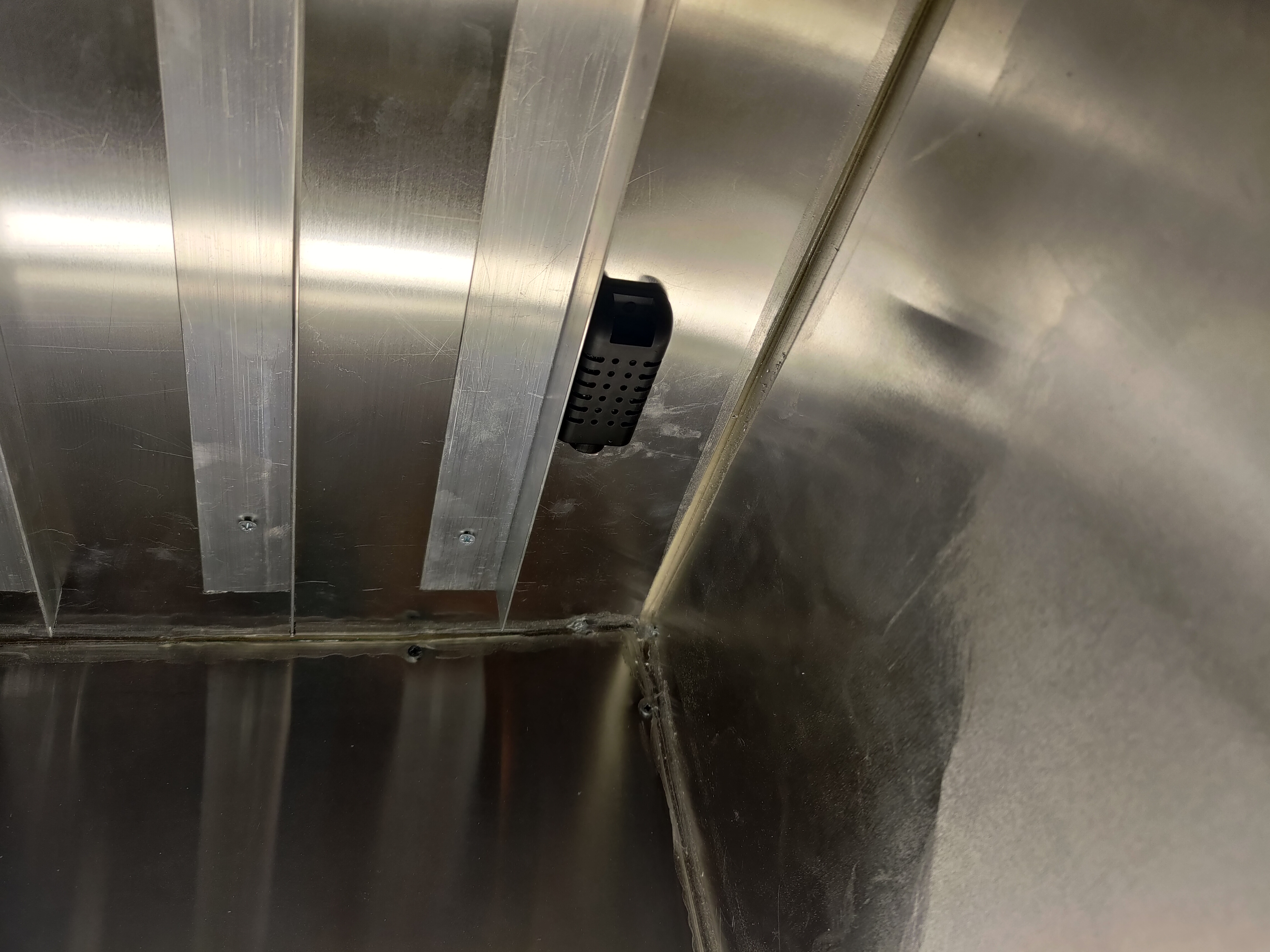
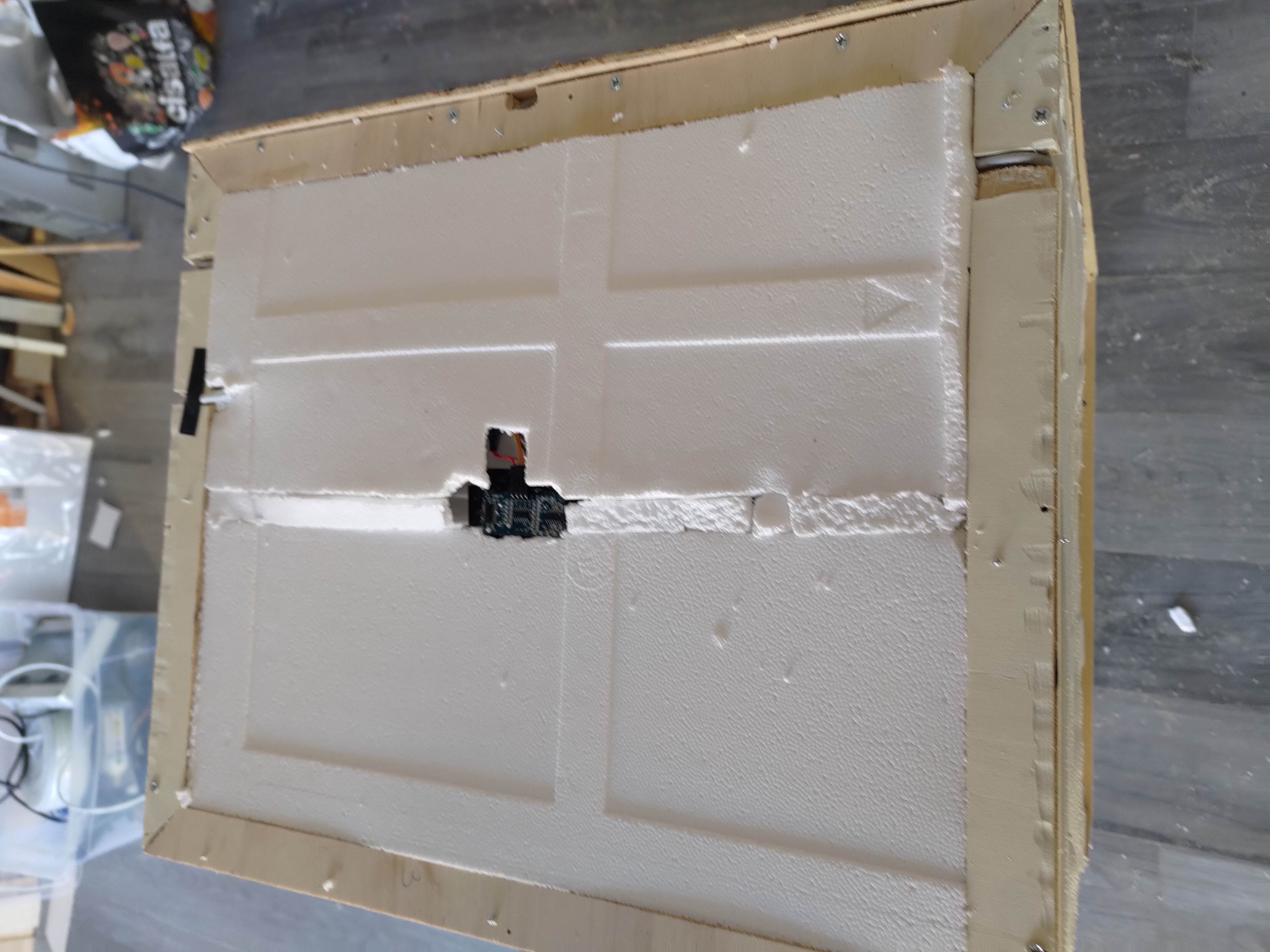
I mounted a light in the back to illuminate the inside and see how the leavening is going. An ultrasonic sensor mounted on the top of the box to monitor the dough growth. Obviously a humidity and temperature sensor inside the box, I used a DHT21.
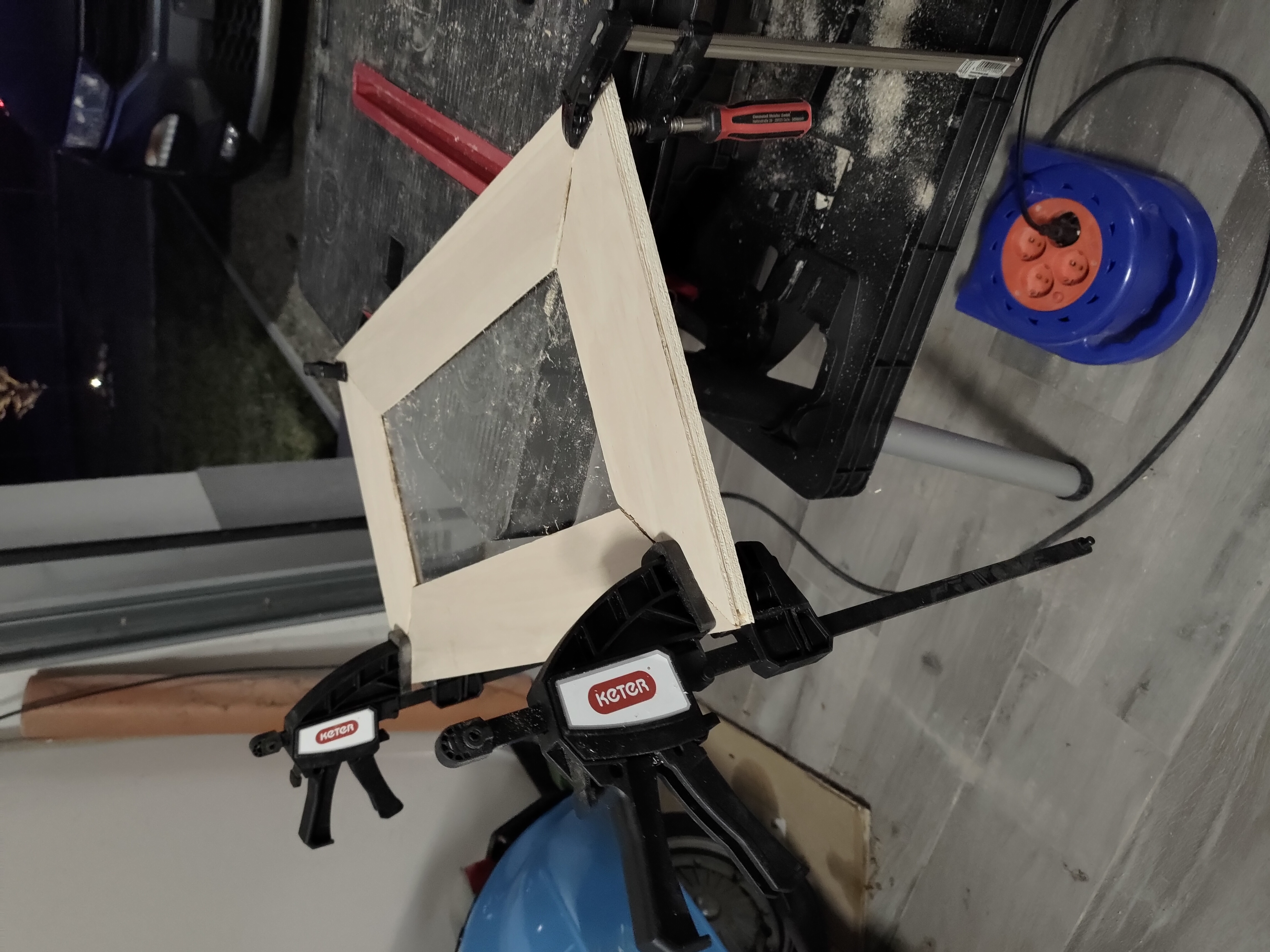
After some days of mental projecting and waiting for the Oplà kit to arrive I started to build the chamber.
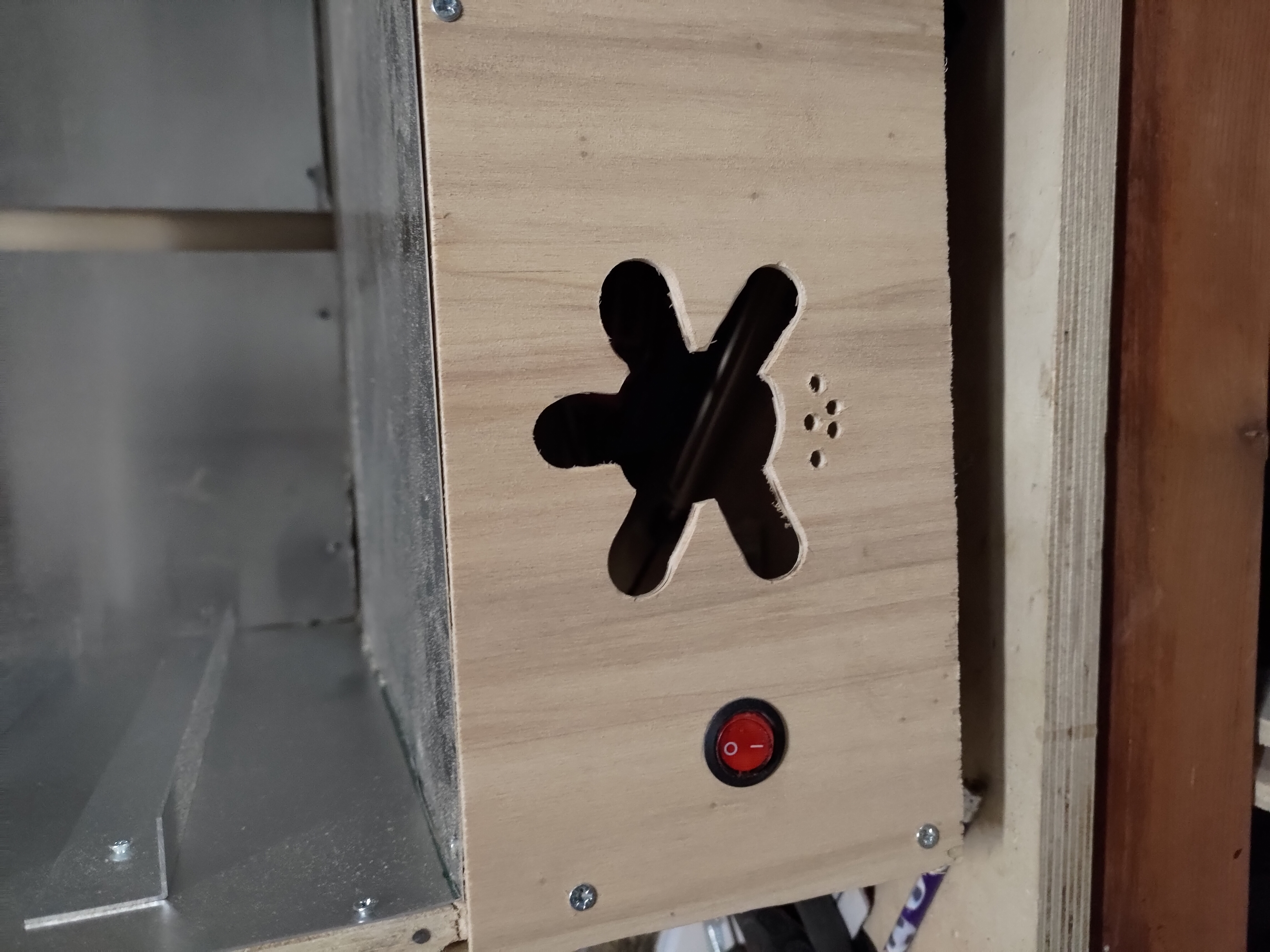
Engineering & Implementation
After creating the box, I wired the 2 sensors, the heating cable, the light and the ultrasonic vaporizer.
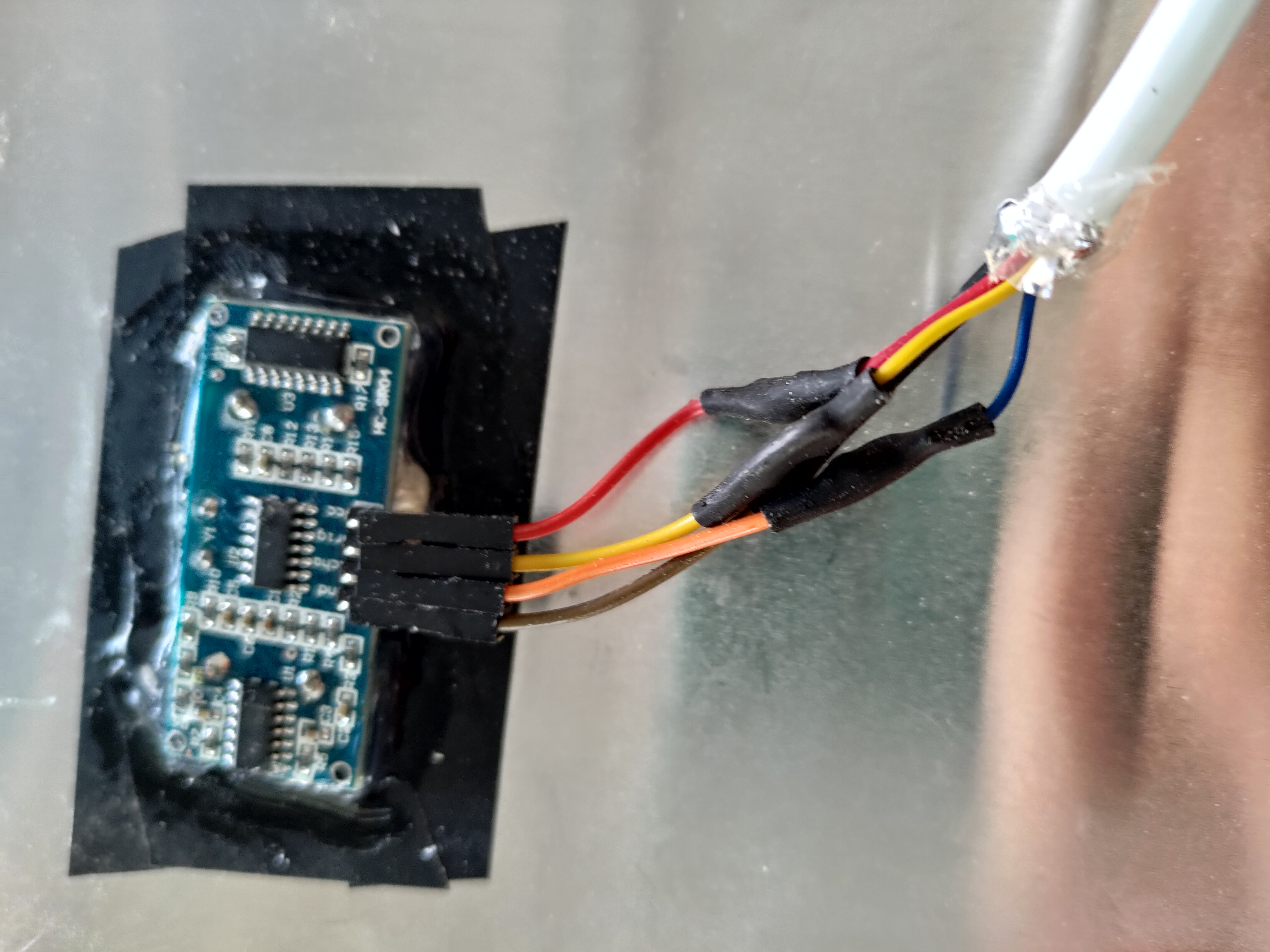
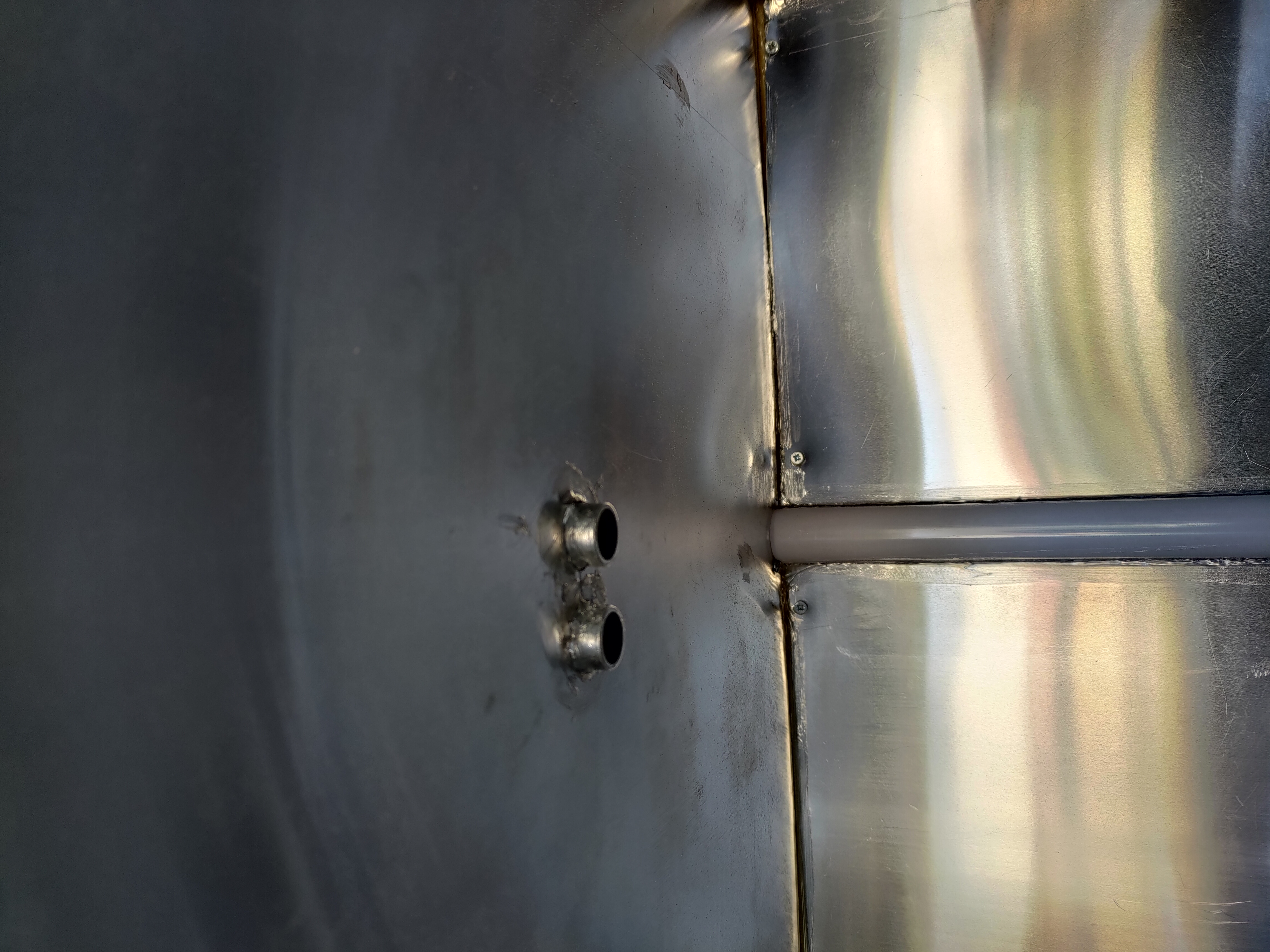
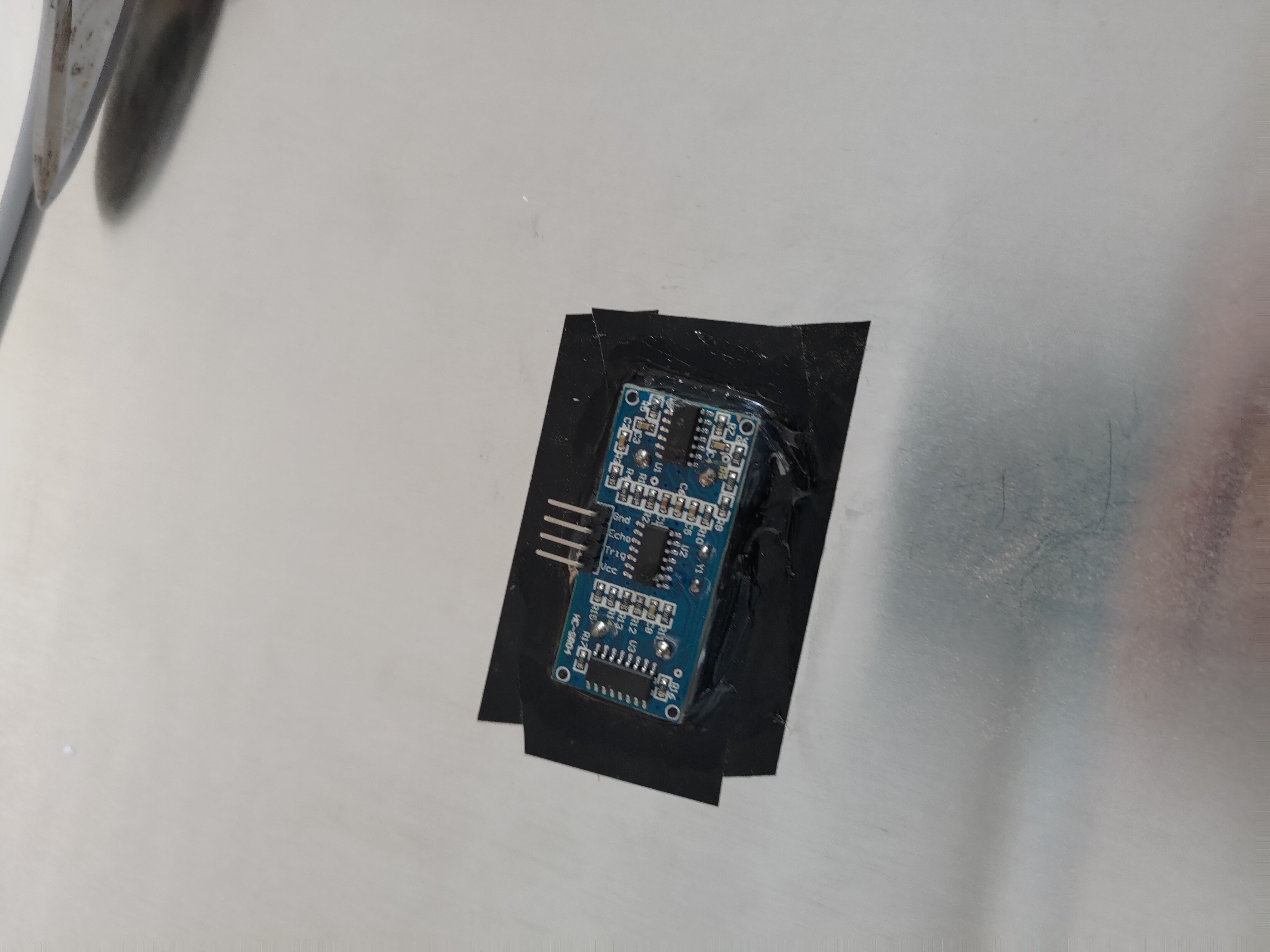
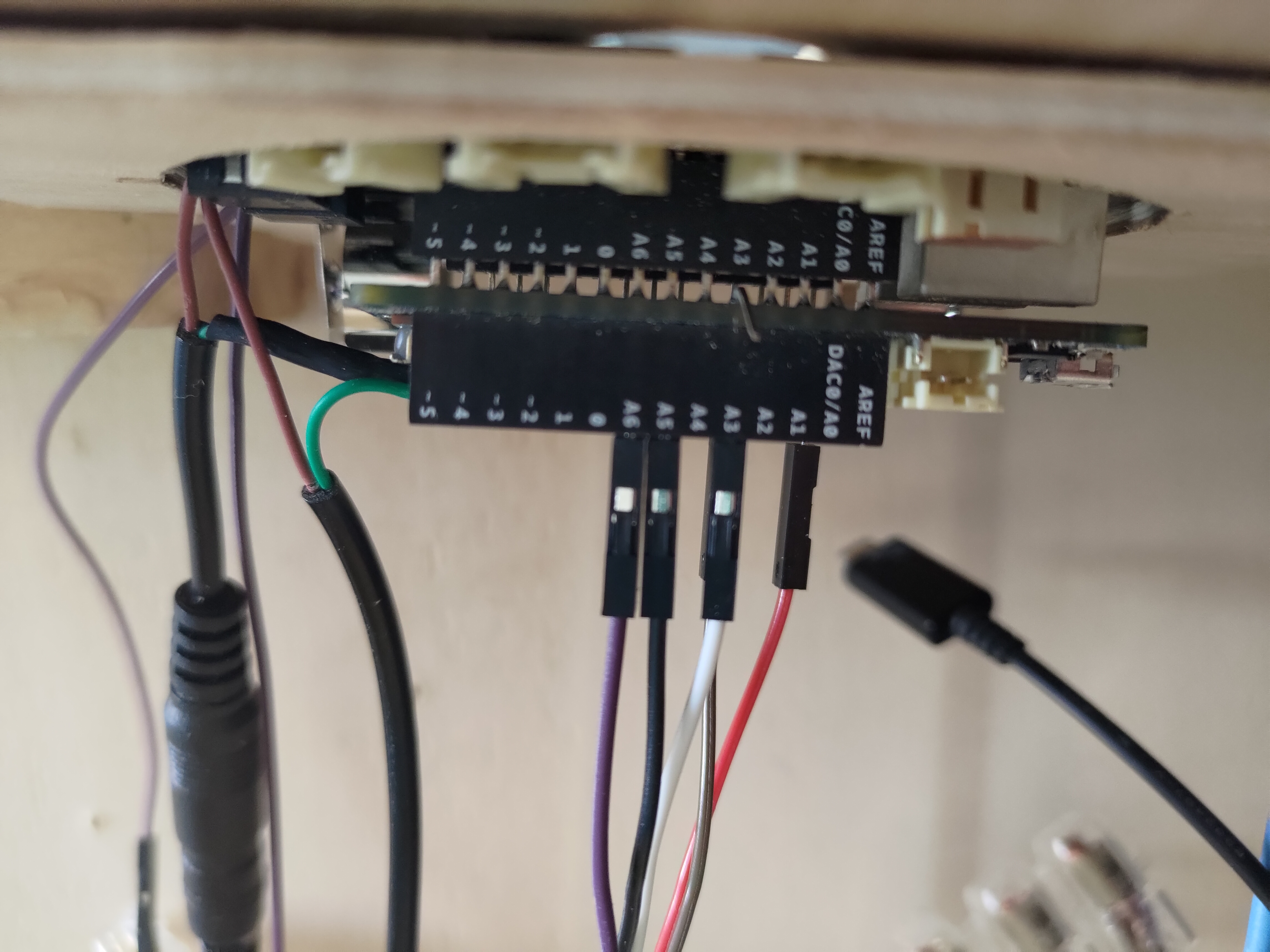
And finally wired the carrier. Unfortunately the button 3 of my carrier didn't work at all, so I bent the A3 pin on the Arduino board so I can use it as trigger pin for the ultrasonic sensor. I used the A5 as echo pin for the ultrasonic sensor as well, and the A6 pin for the DHT21 sensor. Relay 1 for the ultrasonic vaporizer that works with 24 volt, relay 2 to control another relay that controls the heating cable, because the carrier's relay can manage up to 24 volts and the heating cable works with 220 volt. Lights work separately from the carrier with their own button.
- System Integrity & Flash Diagnostics:
- Non-Volatile Preference Forensics: Since the MKR WiFi 1010 lacks a dedicated EEPROM, the project implements Flash-Storage Heuristics. User preferences for language and temperature units are stored in a deterministic portion of the flash memory, ensuring continuity across power-loss diagnostics.
- Mechatronic Safety Orchestration: Given the 220V energy rail of the heating cable, the implementation utilizes a cascaded relay strategy. The Oplà carrier's low-power relay (24V) acts as a logic-trigger for a secondary high-current industrial relay, providing robust galvanic isolation between the microcontroller and the high-voltage thermal load.
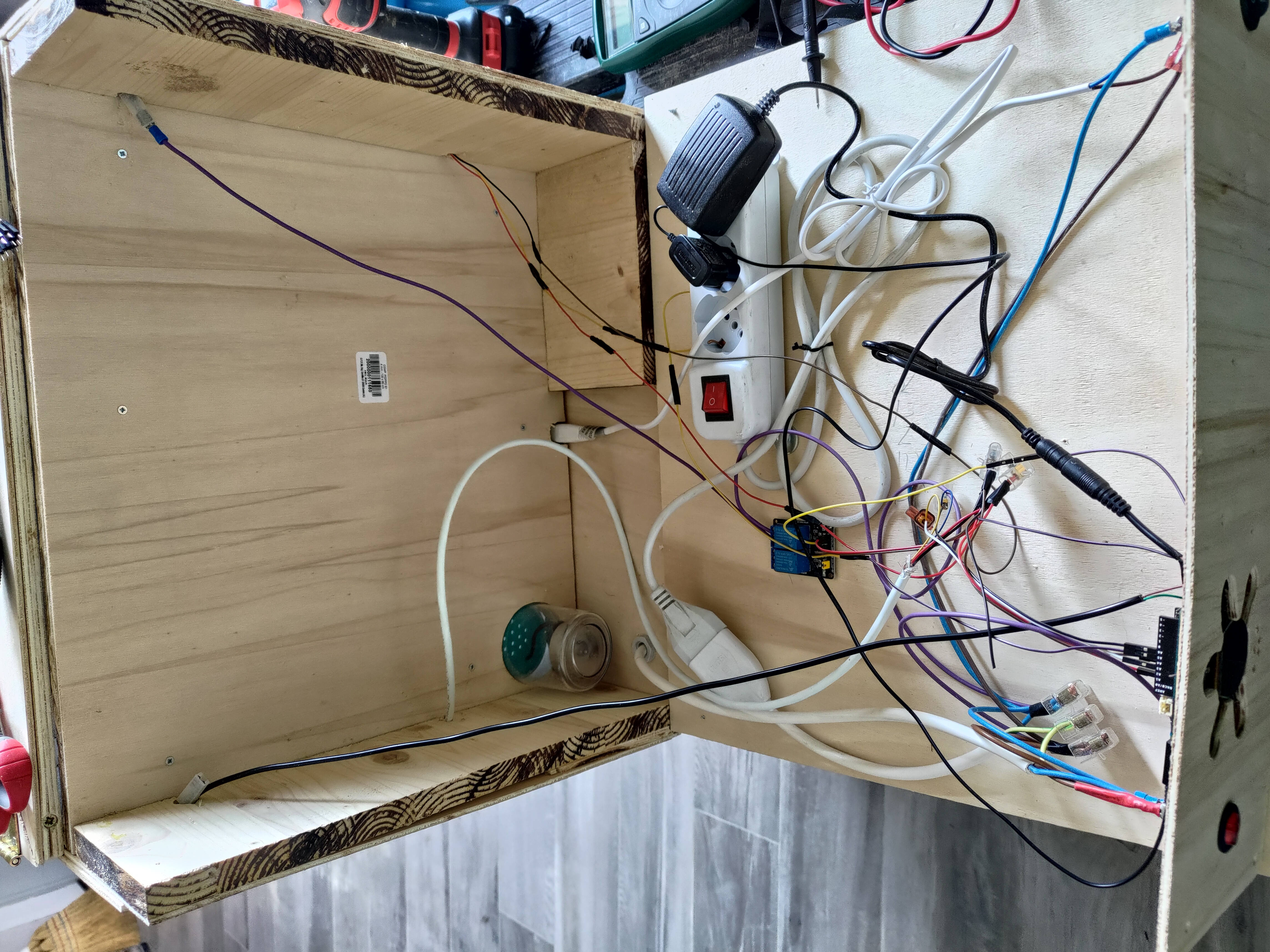
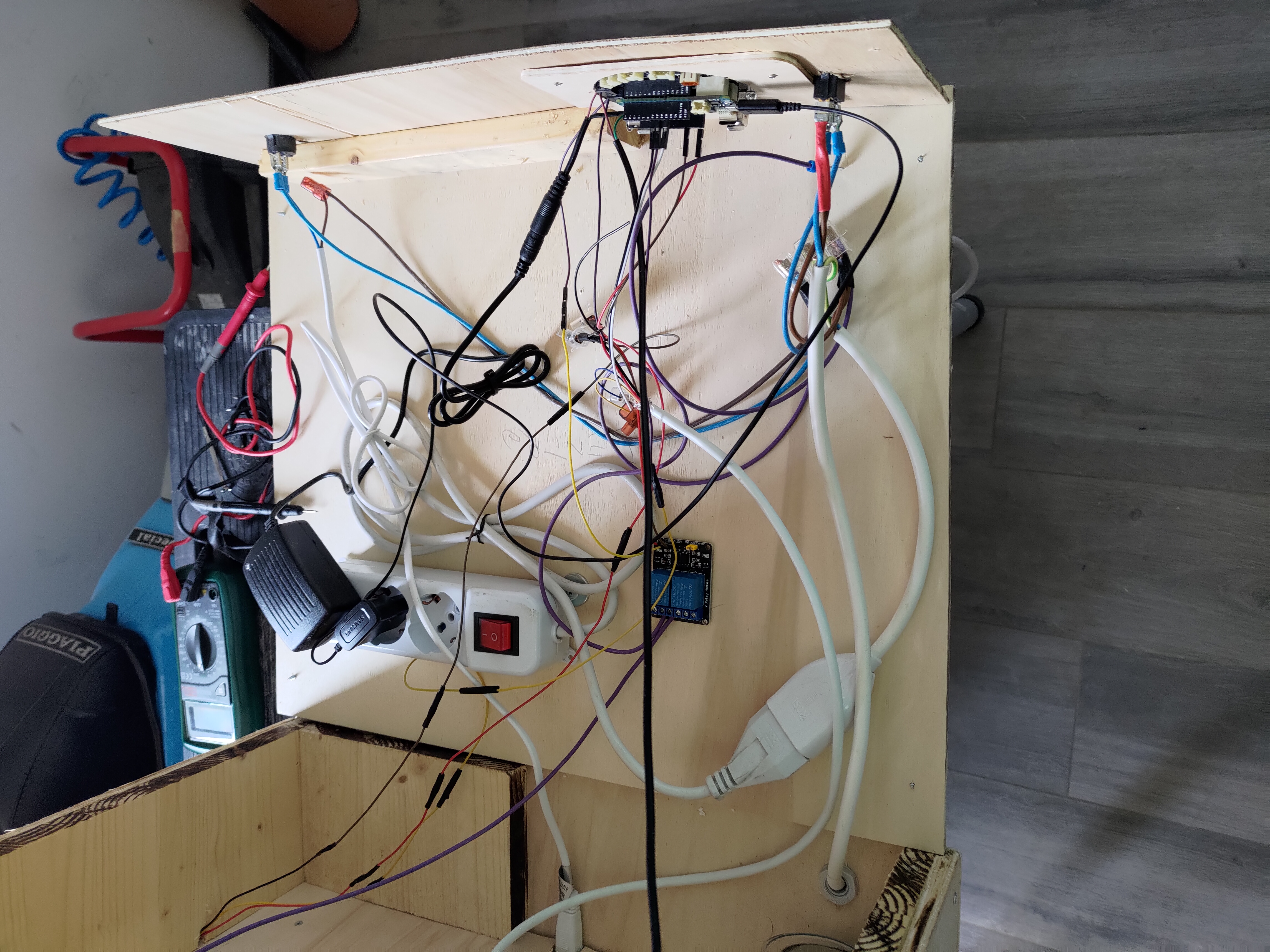
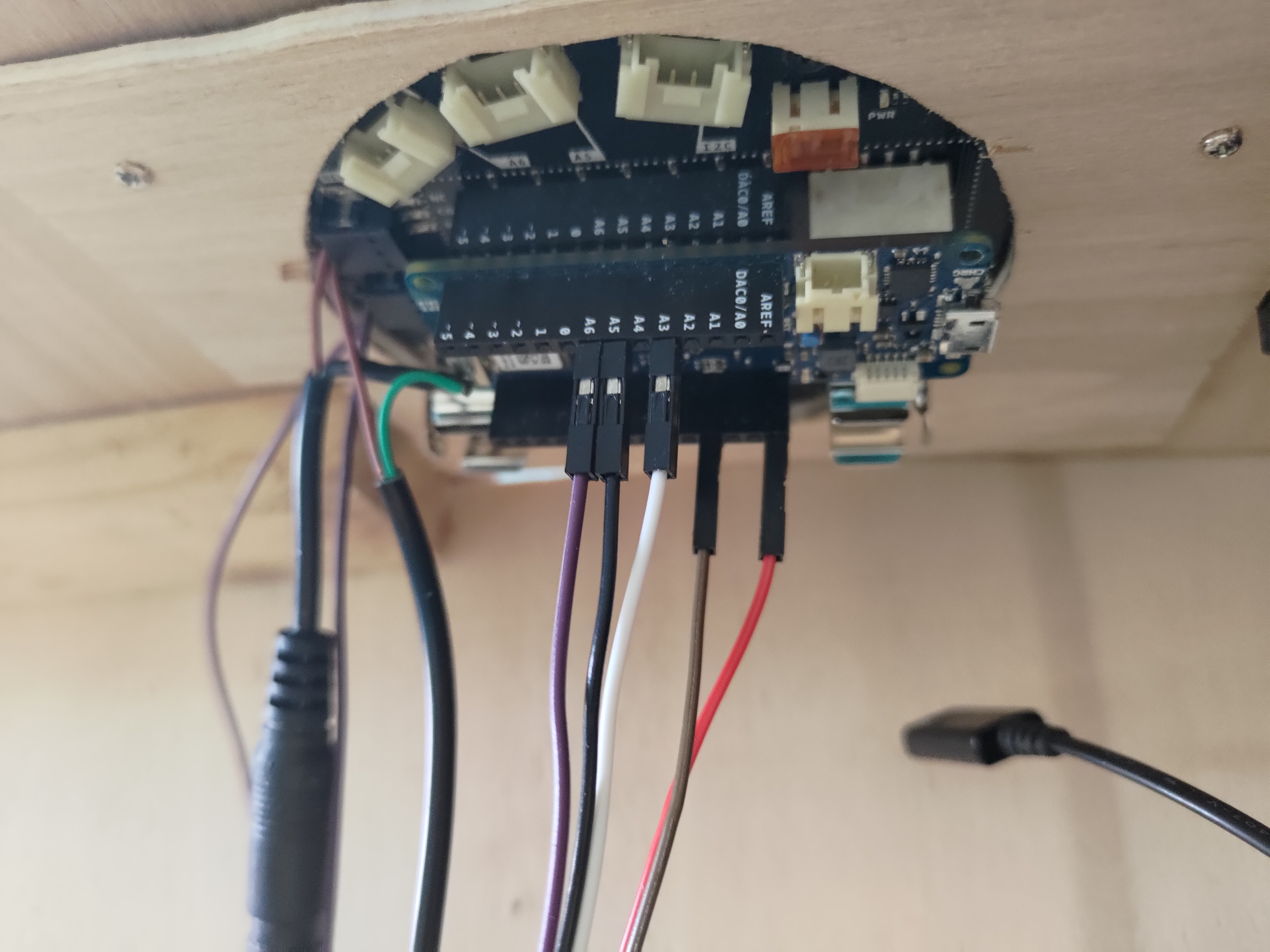
Powering up for the first time!
For the programming part I tried to create a commercial-portable sketch, so the chamber has an option menu where the user can decide the language and the temperature measuring unit. I didn't have much spare time and the games deadline was approaching so the menu is pretty simple, as the interface, but in these months I'm going to work on it and add other features...
While trying to save the user's preferences I found that the MKR WiFi 1010 does not have EEPROM memory, but I can save the data using the FlashStorage library that uses a portion of the flash memory to keep data even after a board reset.
Once you select the desired temperature and humidity the chamber takes time to set up and reach the desired settings. When ready it asks the user to insert the dough and confirm. At this moment the chamber measures the distance between the roof and the dough, so while leavening it shows how much it has grown.
IoT Telemetry & UX Heuristics
For the IoT part I created a dashboard where the user can monitor the actual temperature and humidity (shown in 2 charts as well), change the targets and turn off the leavening.
- The Arduino IoT Cloud dashboard transforms raw atmospheric pulses into actionable visual telemetry. Using a combination of time-series charts and remote-control widgets, the project allows for global orchestration of the leavening process, including remote-target adjustment and status-monitoring forensics.
Conclusion
And that's all! I really enjoyed this time spent on the project, I want to thank again all Arduino staff for letting me participate, all the users on the discord channel and my girlfriend for all the pizzas in the future... :-D
Bakerino represents the pinnacle of Domestic IoT Engineering. By mastering Thermal Forensics and Ultrasonic Proximity Diagnostics, this project delivers a professional-grade culinary tool that bridges the gap between traditional artisanal techniques and modern automated systems.
Leavening Logic: Mastering micro-climates through IoT forensics.