Caravaggio: Where Algorithms Meet the Spirit of a Painter (A Drawing Machine)
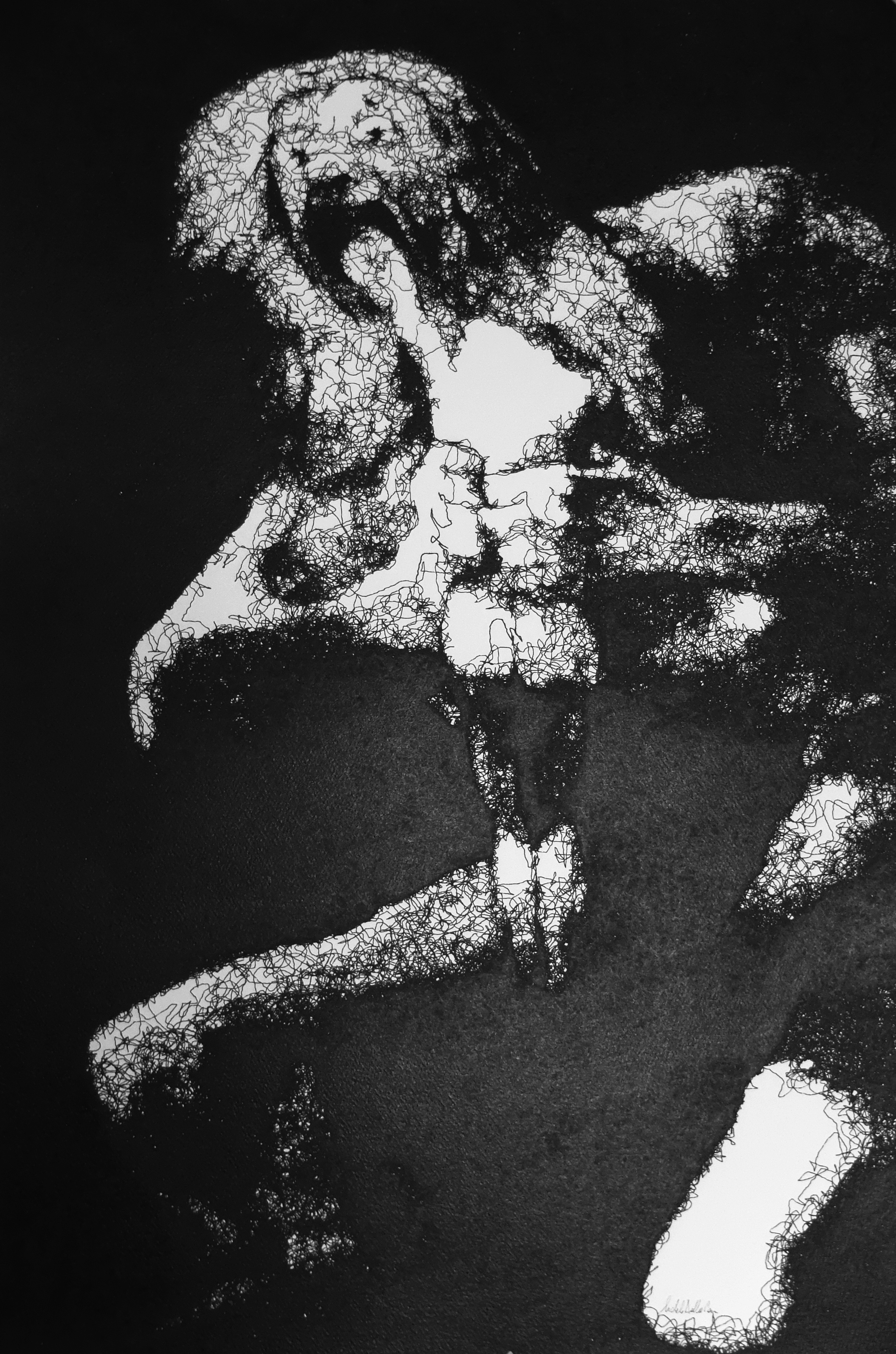
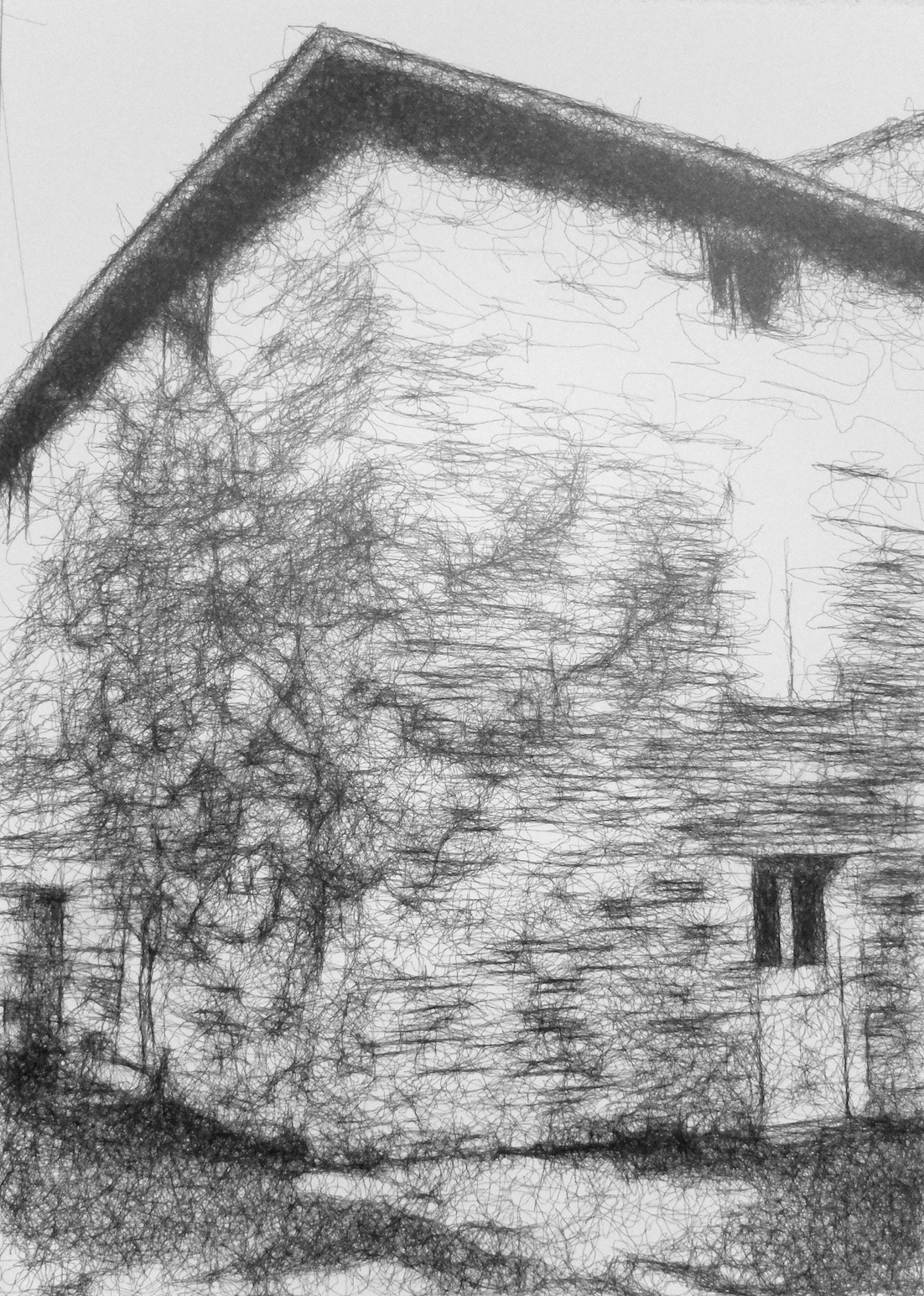
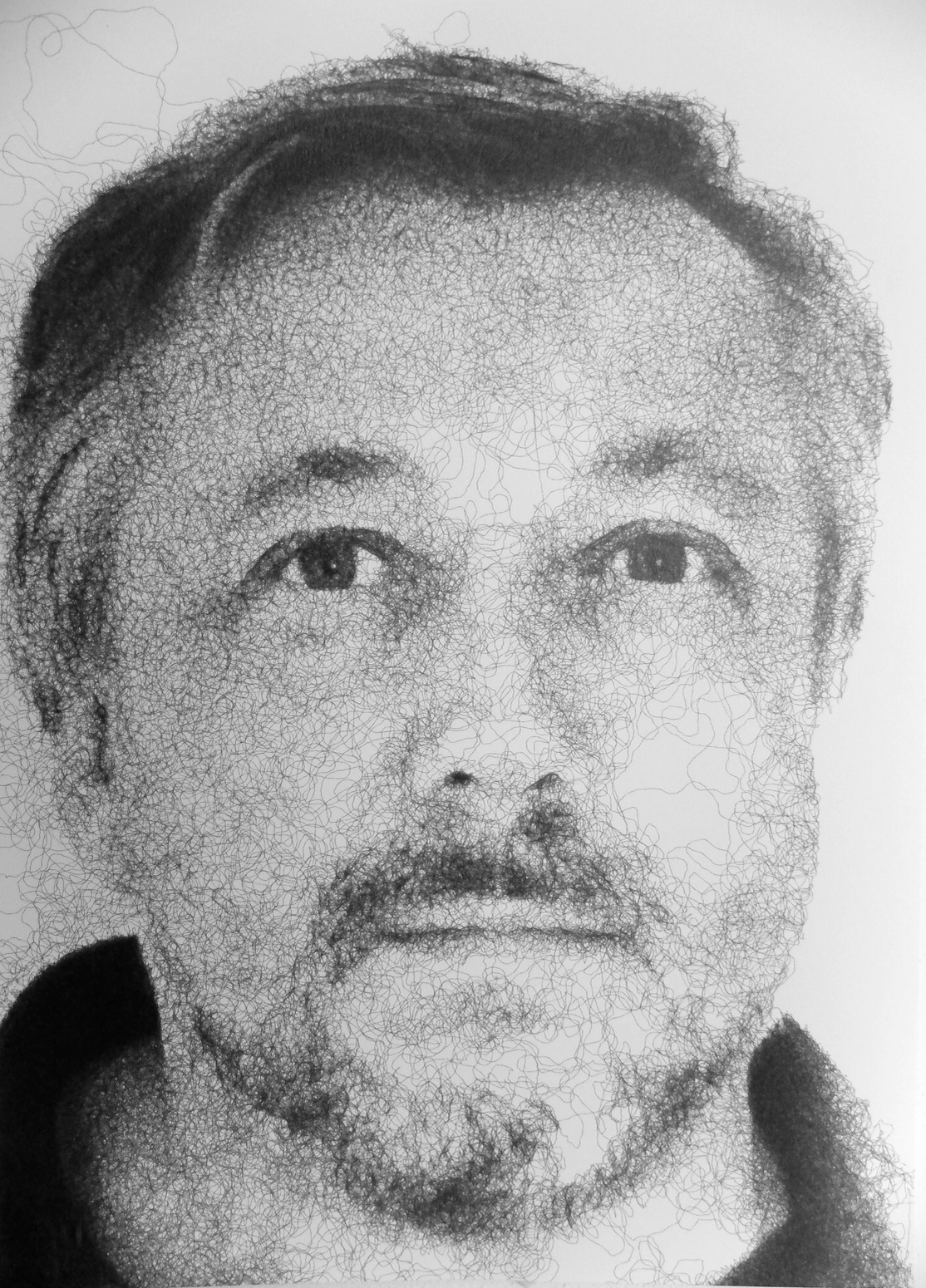
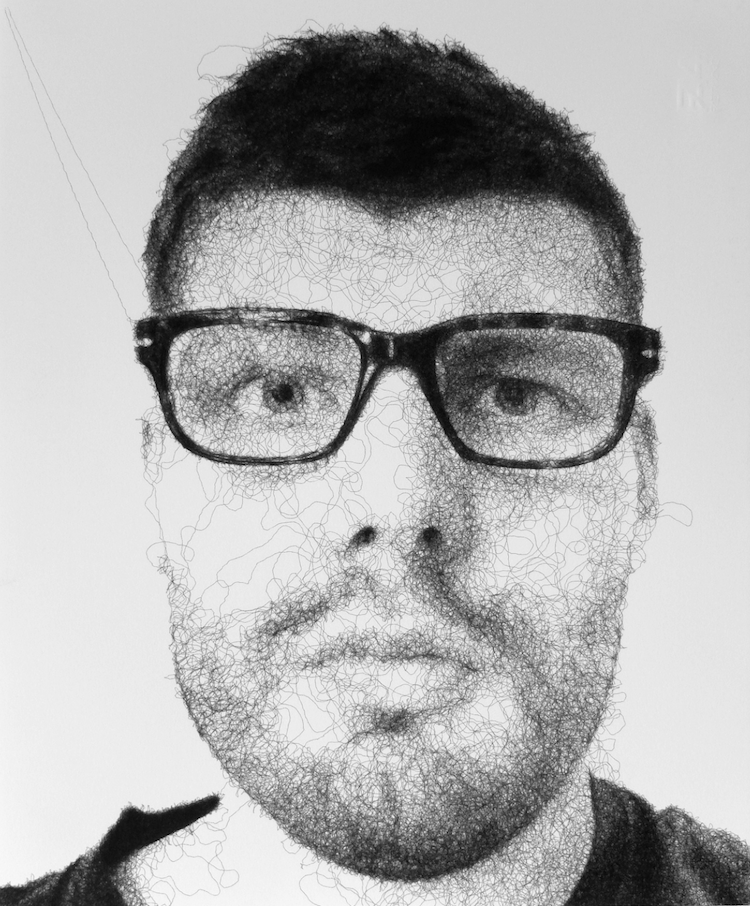
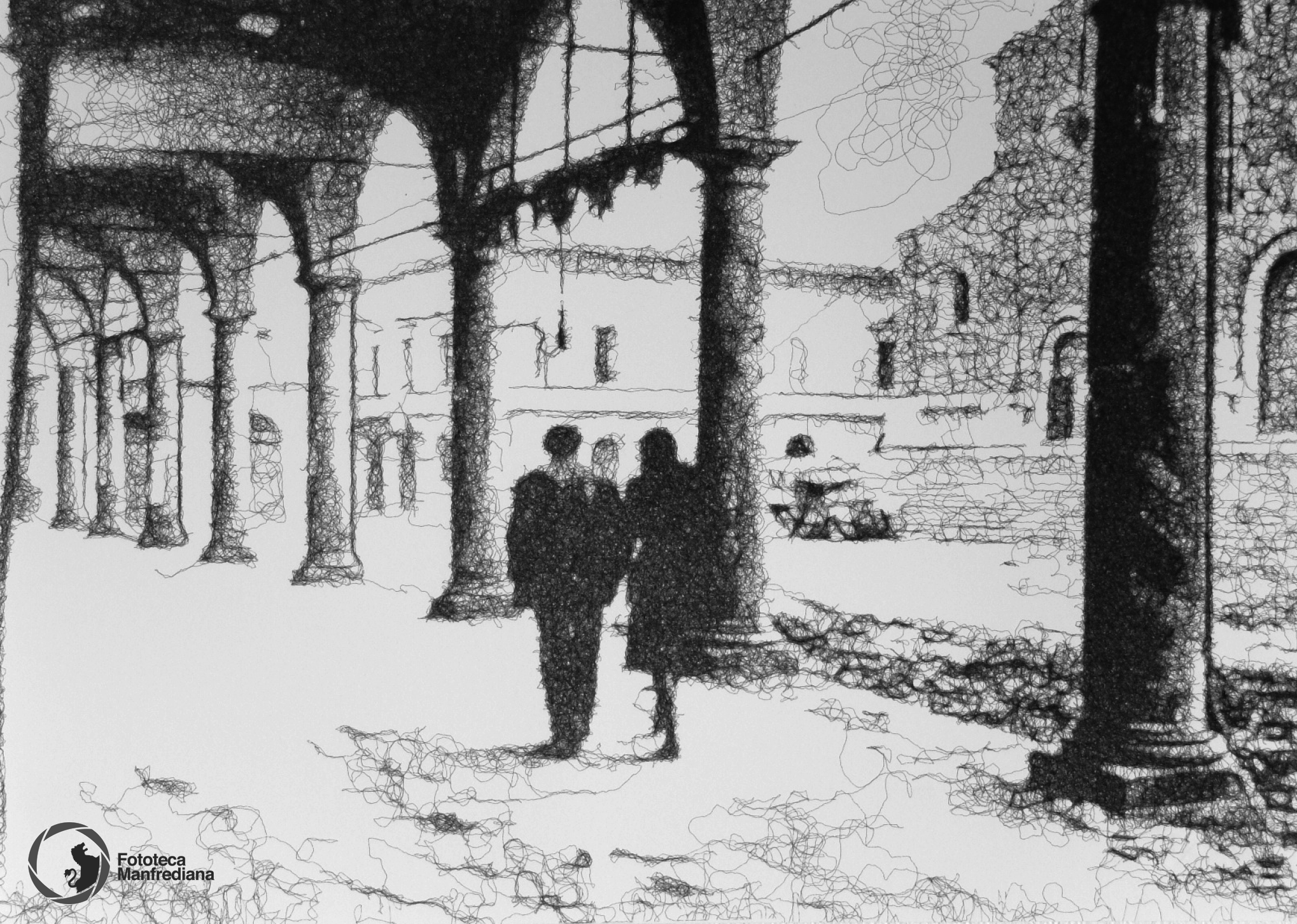
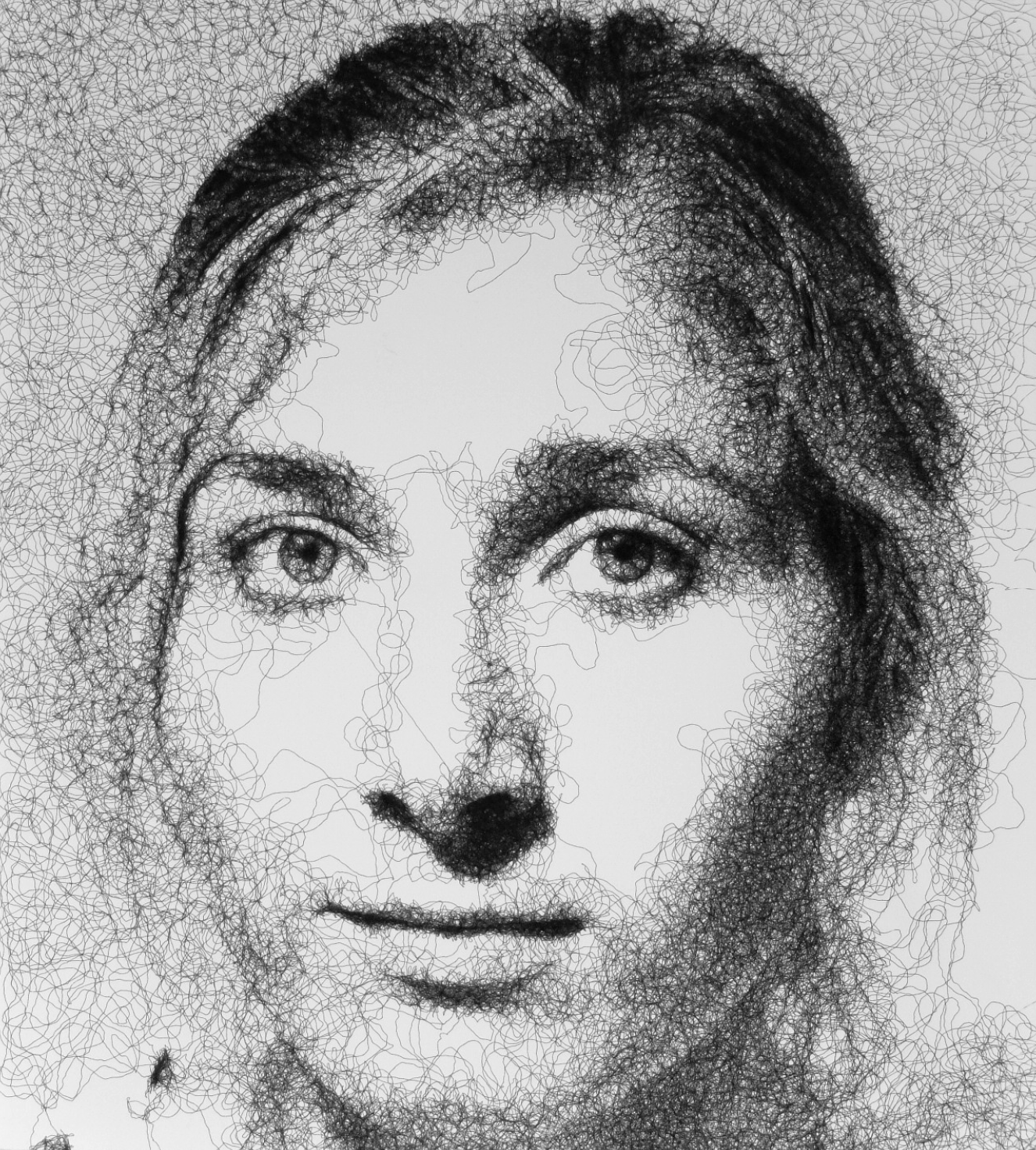
Caravaggio is not just an ordinary Plotter; it's a project that seamlessly blends computer engineering and art. It transforms digital photographs into unique line drawings by continuously dragging a pen across paper until a complete image emerges.
From a DIY Concept to an "Artist Machine"
The genesis of this project was the desire to create a DIY Pen Plotter, a specialized printer that uses a pen for drawing. However, during development, this concept evolved beyond a typical printer, focusing instead on using "algorithms" to interpret photographs.
The main goal of Caravaggio is not merely technical precision in image reproduction, but the creation of art with the essence of freehand drawing, which possesses a delicate touch and charm that conventional Inkjet printers cannot replicate.
How it Works: The Synergy Between Software and Hardware
Caravaggio is designed with two main, precisely integrated parts:
1. Software Component: The Process of Thought and Line Creation
The heart of this artwork begins with a program written in C++, responsible for analyzing digital images (Image Processing).
- Operational Logic: The program processes the light and shadow intensity of the image and then calculates a single continuous pen path that traverses various points to form the complete picture (Single Line Drawing).
- Algorithm: This logic often references the principles of the Traveling Salesperson Problem (TSP) to find the most efficient and continuous path. The density of the lines varies according to the darkness of the original image; the darker a section, the more the algorithm directs the pen to loop within that area.
2. Hardware Component: The Robotic Arm that Crafts the Work
Once the path is determined by the software, the data is sent to the hardware to be rendered onto physical paper. Key components include:
- Arduino UNO: Acts as the "brain," processing coordinate commands from the data file.
- Adafruit Motor Shield: Drives electrical current to the Stepper Motors with precision, enabling smooth pen movement.
- Sparkfun SD Shield: Since high-detail drawings require significant time and data, the SD Shield is used to store the pen's coordinate data, allowing the machine to operate autonomously without constant computer connection.
- Stepper Motors: DC electric motors capable of rotating in very small angular increments (step-by-step), allowing precise, millimeter-level control of the pen's position on paper.
Installation and Practical Operation
Currently, Caravaggio is set up to operate vertically on an Easel, mimicking the posture professional painters use to create their works. The pen moves by sliding across the surface of the drawing paper without lifting until the drawing is complete.
Operating Time: The meticulousness of this machine comes with a time investment. Generally, it takes approximately 12 to 24 hours per image, depending on the line density selected by the user. The more contrast or dark areas (Black concentration) desired in an image, the longer the drawing time will be, as demonstrated in the videos below.
Another impressive feature is the device's flexibility. Caravaggio can be used with various types of pens, from expensive Technical Pens to ordinary Bic ballpoint pens, still yielding excellent results.
Follow Our Progress
You can follow updates and new works from this project on our Facebook page: https://www.facebook.com/CARAVAGGIOdm/
Below are videos demonstrating the machine in action. The first video showcases the current, complete version, and the second marks the project's beginning:
Caravaggio Artwork Gallery