This project is the definitive Masterclass in Atmospheric Simulation and Closed-Loop Laboratory Automation. The Climate Chamber System is a high-performance Bio-Research Workstation designed to establish a precise, repeatable environment for biological and material testing. By leveraging Thermoelectric Peltier Cooling and high-speed **Ultrasonic Nebulization**, this project empowers you to build a sophisticated "Nature Emulator" that manages real-time temperature/humidity stabilization and interactive OLED-telemetry with laboratory-grade responsiveness.
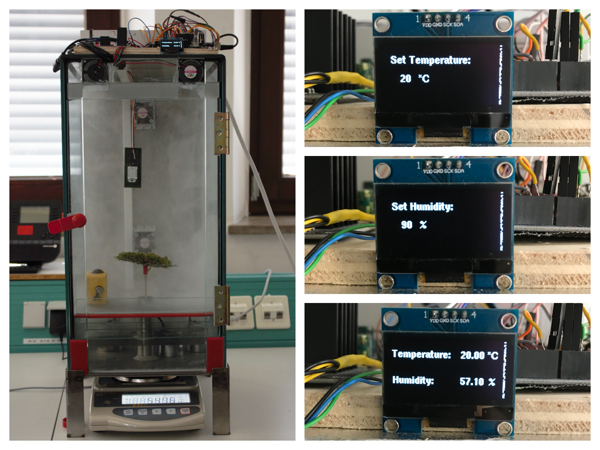
Climate Infrastructure and Control Architecture Overview
The Simulation Framework functions through a specialized Measure-Compare-Actuate lifecycle. The system is built on a high-reliability Feedback Control Model:
- DHT22 Precision Sensory Shunt: The "Perceptual Hub Node." The system polls the internal chamber environment at 2Hz. By capturing High-Resolution digital data on both thermal and moisture levels, the Arduino establishes a live baseline for the control loop with sub-decimal accuracy.
- Thermoelectric Heat/Cool Logic Matrix: The thermal core. The system utilize a specialized Peltier-to-Plate Shunt. By modulating high-power MOSFETs, the Arduino can freeze or heat the rear metal plates, using the high thermal diffusivity of metal to rapidly stabilize the chamber’s internal temperature.
- Ultrasonic Moisture HUD: Through a specialized 24V Transducer Shunt, the system generates ultra-fine water mist. The Arduino monitors the RH (Relative Humidity) and triggers the nebulisers to maintain a precise user-defined setpoint (30-100%).
Hardware Infrastructure & The Industrial Tier
- Arduino UNO R3 (The Command Brain): A chosen stable microcontroller that acts as the Logic-to-Power Bridge, coordinating the timing between low-voltage sensor polling and high-current MOSFET switching.
- High-Current MOSFET Matrix: Specifically selected for Industrial Latency-Free Switching. The IRF-series MOSFETs act as the gate-drivers for the Peltier elements (10A+) and heat-beds, isolating the Arduino from any catastrophic inductive back-surge.
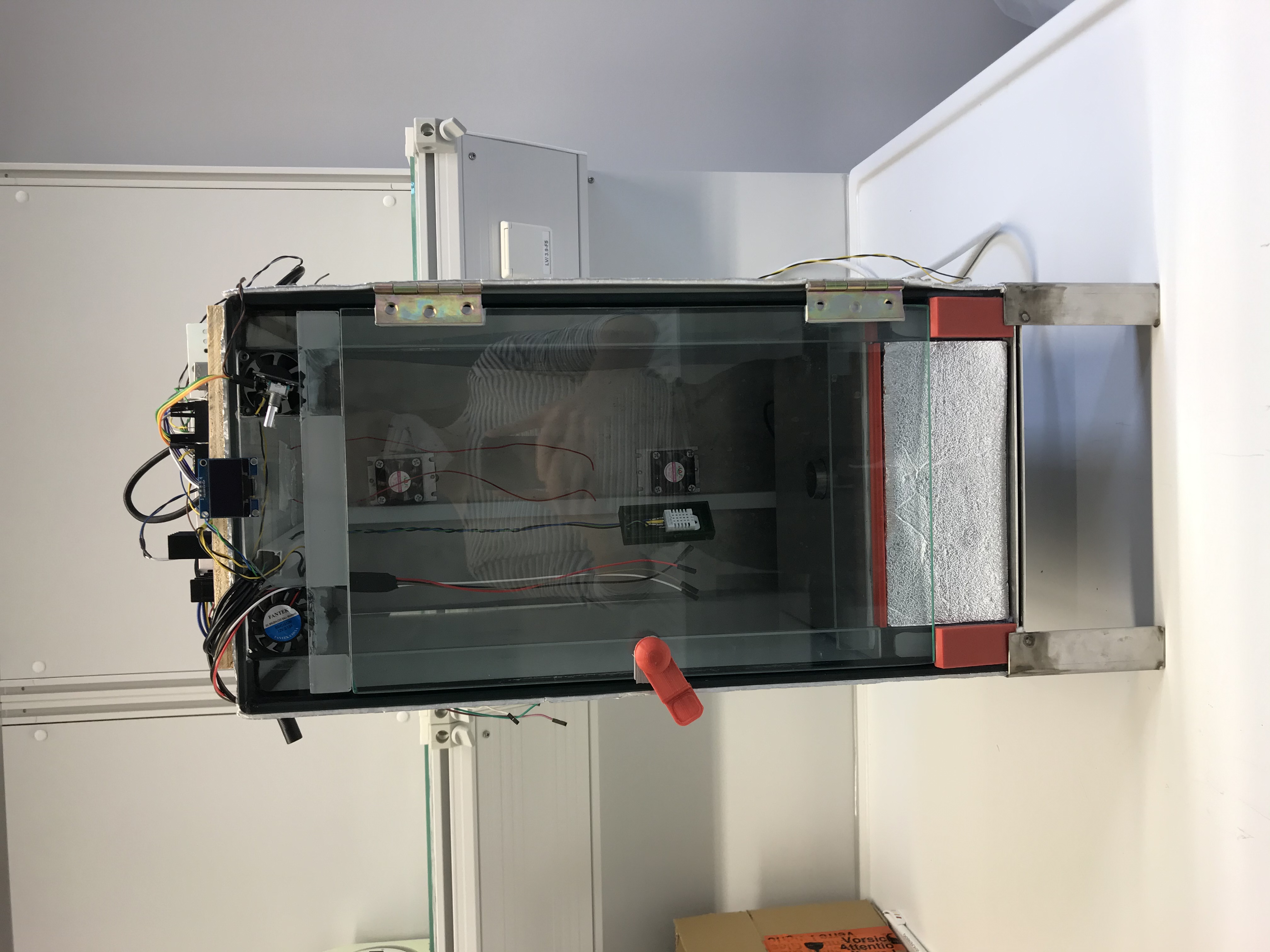
- Structural Bio-Chassis Matrix: The aquarium-based housing. By replacing the glass walls with 3mm high-conductivity metal plates and installing a custom-hinged glass door, the system creates a sealed, high-speed thermal chamber ideal for ecological pretesting.
- 64x128 Visual Telemetry HUD: The "Visual Logic Node." Using the U8glib engine, the OLED renders real-time graphs and status icons, providing the operator with clear, actionable insights into the internal environmental state without a PC connection.
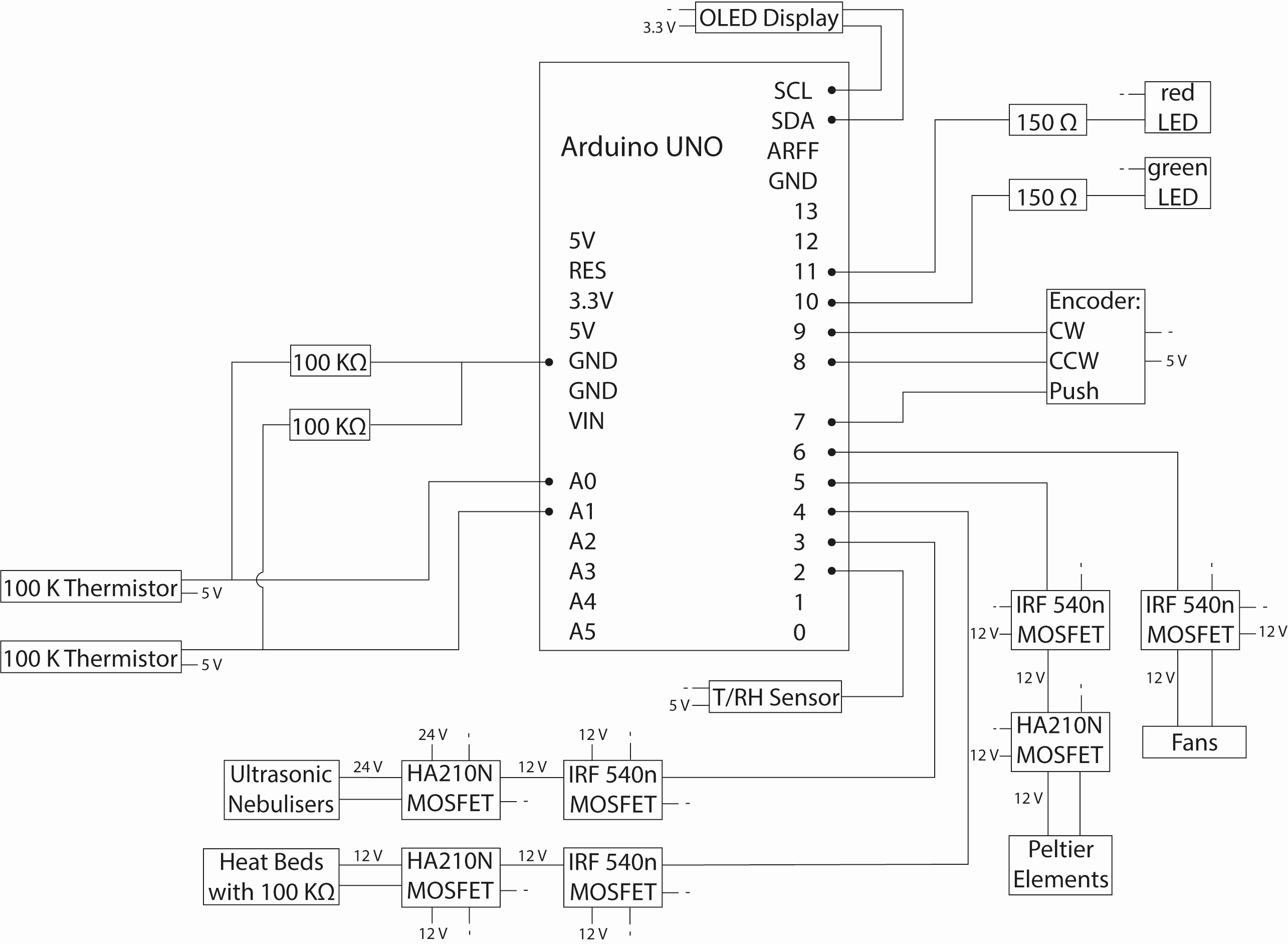
Technological Logic and Execution Algorithms
The system reaches professional-grade reliability through several Firmware Orchestration Strategies:
- Closed-Loop Feedback Shunts: The code includes a Target-Deviation Logic Component:
Target - Actual = Error. The system continuously adjusts the nebulizer state based on this error, ensuring the environment doesn't oscillate wildly between humid and dry. - PWM Fan Modulation Shunt: The system reaches professional accuracy through an Automatic Air-Flow HUD Mode. For even distribution of droplets, the fans are modulated at 750-3000 RPM, preventing stagnant "thermal-pockets" within the chamber.
- Rotary Command Encoding: The "Input Hub." Using a specialized Quadrature Signal Parser, the system allows the operator to set desired climate levels with high-tactile precision, featuring confirm-on-click confirmation logic.
- Hardware Scalability: Validated for moisture-only, this modular architecture is "Full-PID Ready," with the ability to add Cooling-PID and Heating-PID logic by simply uncommenting the Peltier control blocks in the firmware.
Why This Project is Important
Mastering Environmental Simulation and High-Power DC Automation is an essential skill for Biotechnology Engineers and Industrial Lab Technicians. It teaches you how to design a "Physical-Logic" system that maintains stable natural conditions—a critical skill for designing incubators, plant-growth chambers, and material stress-testing rigs. Beyond lab experiments, these same principles are used in 3D Printer Heated Chambers, Server Room Cooling Systems, and Medical Specimen Transport. Building this project proves you can engineer a professional-grade simulation asset that prioritizes sensor precision, high-power switching safety, and intuitive user-interface design.
Technical Engineering Tip: For a truly professional lab build, ensure your DHT22 is Isolated from direct fog-spray. High-concentration mist can saturate the sensor element, leading to "RH Drift" or 100% false-readings. Mount the sensor in the Exhaust-Air Path of the fans for a more representative "Mixed-Air" telemetry reading.