Smart Retrofit Architectural Bridging
For legacy appliances dependent strictly on unilateral infrared (IR) command structures lacking network interfaces, traditional network bridging protocols are invalid. This topology sidesteps complex IR carrier wave decoding. By physically opening the original remote controller chassis and soldering bypass shunts directly parallel to the PCB power switch pads, we bypass the tactile constraint matrix.
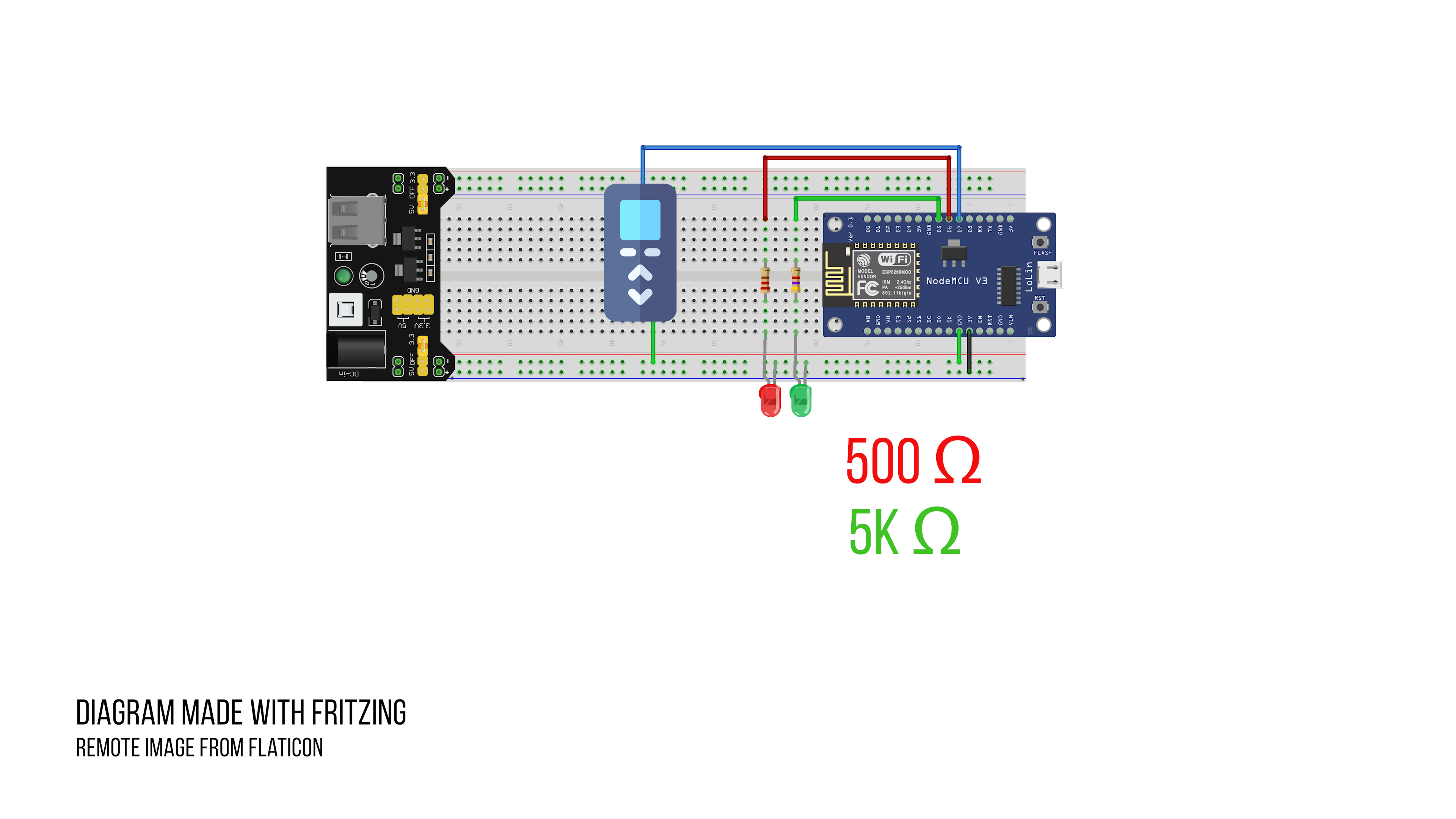
A NodeMCU ESP8266 module bridges the electrical circuit. It routes its localized 3.3V logic high limits directly into the primary traces of the remote.
Logic Matrix and Webhook Abstraction
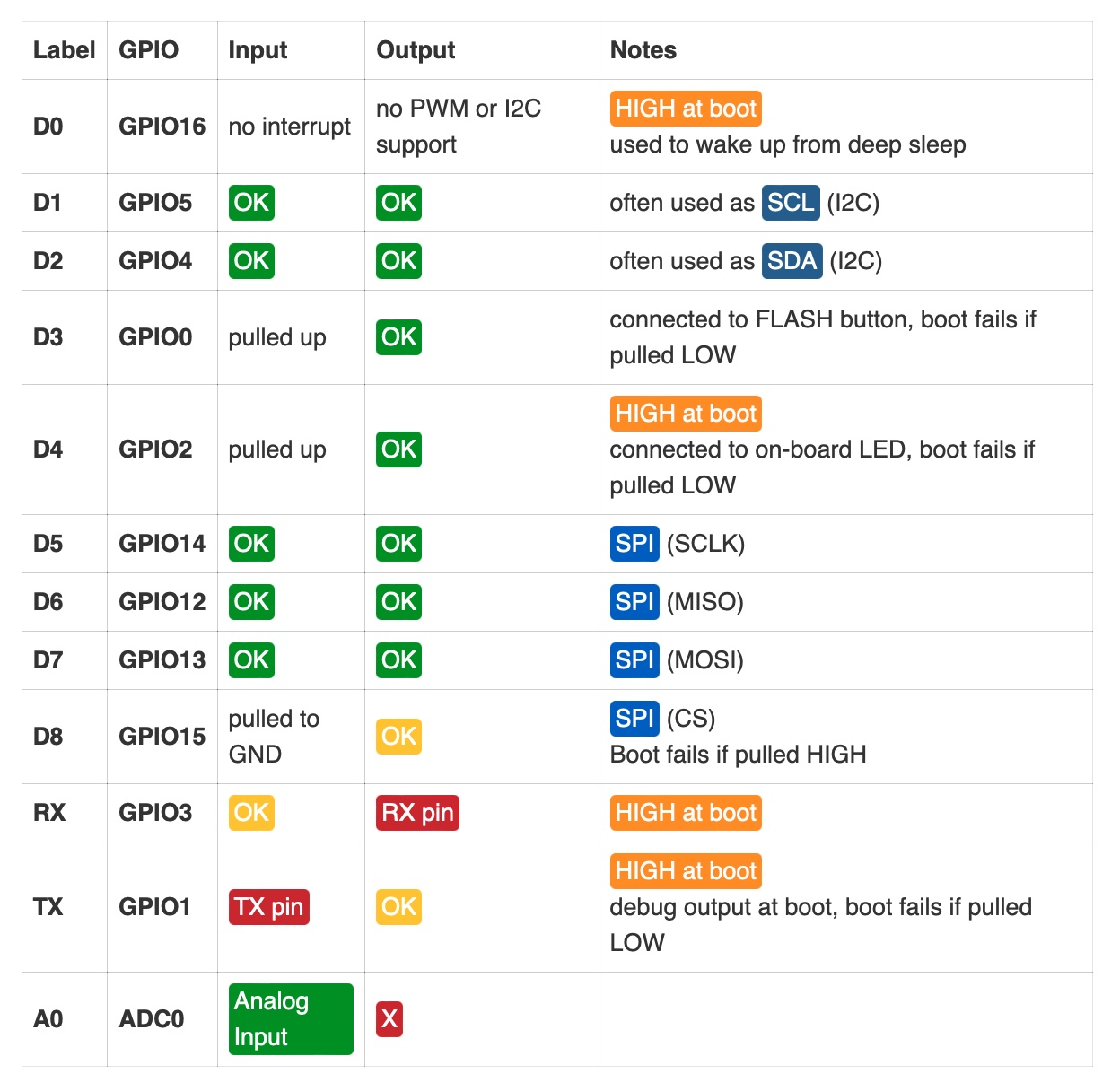
- Hardware Substrates: The remote's standard 'Power' trace is mechanically fixed into a permanent closed-circuit loop. To simulate a user toggle, the NodeMCU strictly acts as the primary voltage supplier. Toggling the NodeMCU logic state HIGH temporarily floods the remote with necessary bias voltages, automatically dispatching the stored IR carrier protocol.
- Telemetry Logic: Red LEDs indicate the execution board is actively polling local Wi-Fi nodes, while Green LED nodes provide definitive visual acknowledgment of a successful payload execution trigger to the physical substrate.
Cloud Integration and Adafruit API Orchestration
- Local logic strictly polls the Adafruit IO backend servers via structured API HTTP requests. A synchronized dashboard feed tracks global states.
- IFTTT (If This Then That) Webhook Pipeline: This provides the fundamental logic loop. Uttering "Turn on the AC" triggers Google Assistant heuristics. This routes payload data via REST APIs directly into the remote IFTTT trigger URL.
- IFTTT instantly dispatches a binary
1state variable directly into the targeted Adafruit Feed. - The ESP8266, running its iterative polling delay, recognizes the variable delta, immediately pulling the output Pin HIGH towards the remote node.
Detailed systems execution video parsing cloud handshakes.