Conveyor Belt with Arduino !!!
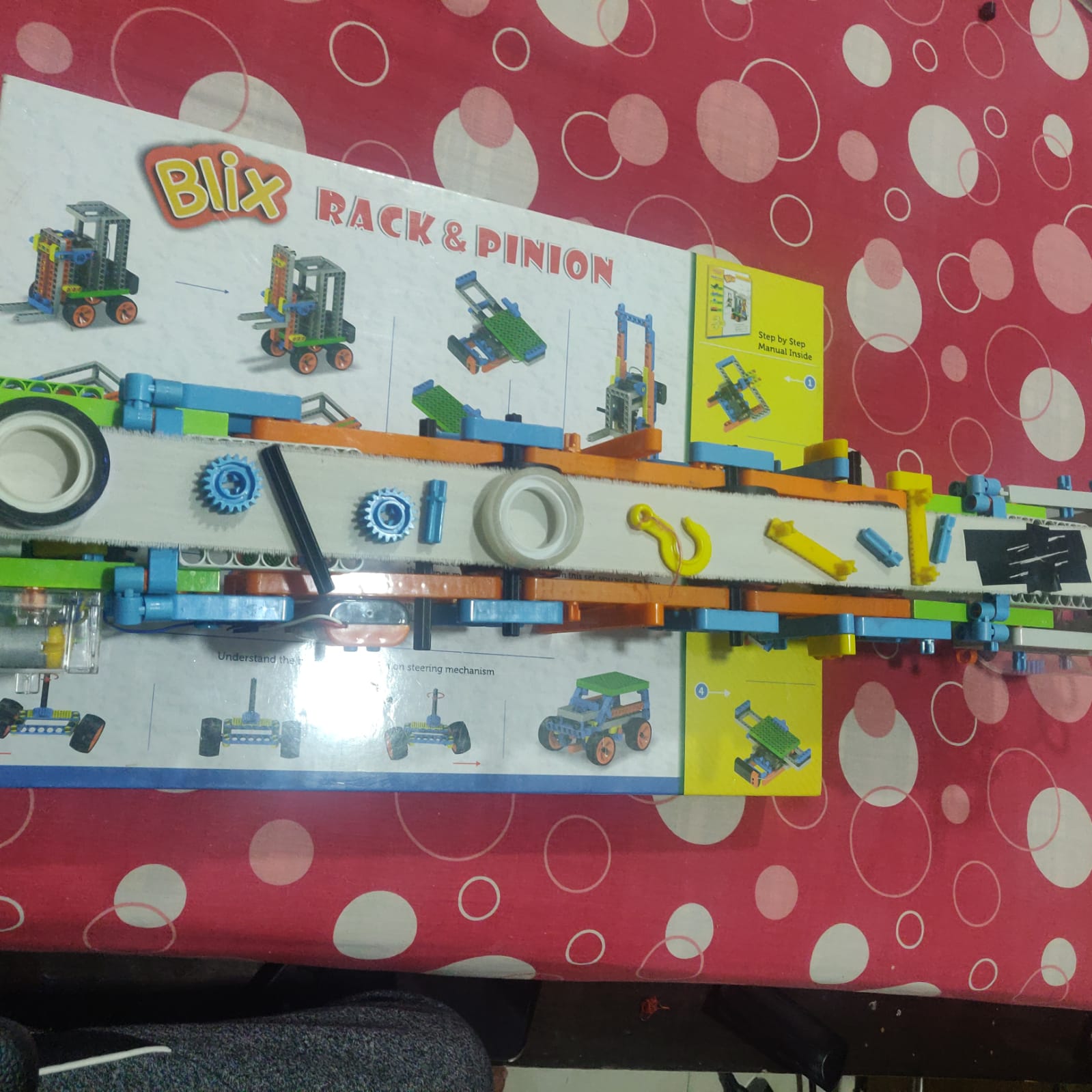
Project Overview
In the world of modern industry, a Conveyor Belt System is crucial for increasing production efficiency. This project involves developing a miniature conveyor belt system, approximately 2 feet (60 centimeters) in length, designed to demonstrate the operation of a DC Motor Control system. The focus is on precise Speed Regulation to suit the conveyance of various types of objects.
Engineering Details and Operation
This system is not merely connecting a motor directly to a power source, but rather applies principles of electronics and Embedded Systems to create variable control. Key components include:
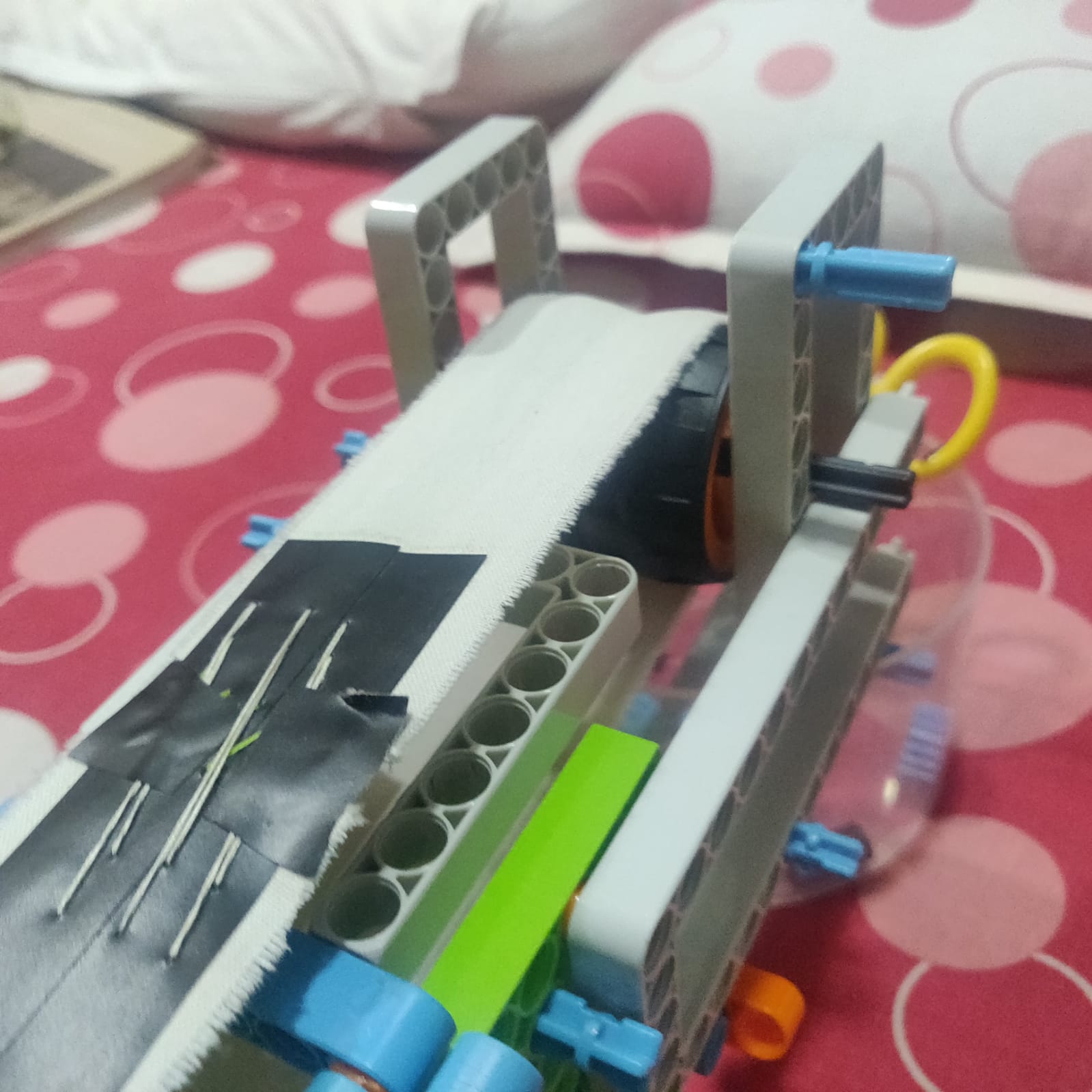
- Drive Mechanism: The conveyor belt is driven by a DC Geared Motor, which boasts high "Torque" while maintaining stable speed. This makes it suitable for pulling conveyor belts with loads.
- Speed Control Unit: The core is the use of Pulse Width Modulation (PWM) technique via a microcontroller board (such as Arduino) in conjunction with a Motor Driver module. This method allows us to control the belt speed without losing torque at low RPMs.
- User Interface: A Potentiometer is installed, allowing users to adjust the belt speed in Real-time as needed.
Control Logic Analysis
The software operation within this project is systematic and highly responsive, with the following steps:
- Analog-to-Digital Conversion (ADC): The microcontroller reads the analog voltage value from the Potentiometer (0V - 5V) and converts it into a 10-bit digital value (0 - 1023).
- Data Mapping: The obtained value is then processed using
map()to scale the number range to be suitable for the PWM signal (which is typically 0 - 255 for Arduino boards). - PWM Output: The processed signal is sent to the Input pin of the Motor Driver (such as L298N or L293D) to define the "Duty Cycle" of the current supplied to the motor, enabling precise and smooth speed control.
Applications and Further Development
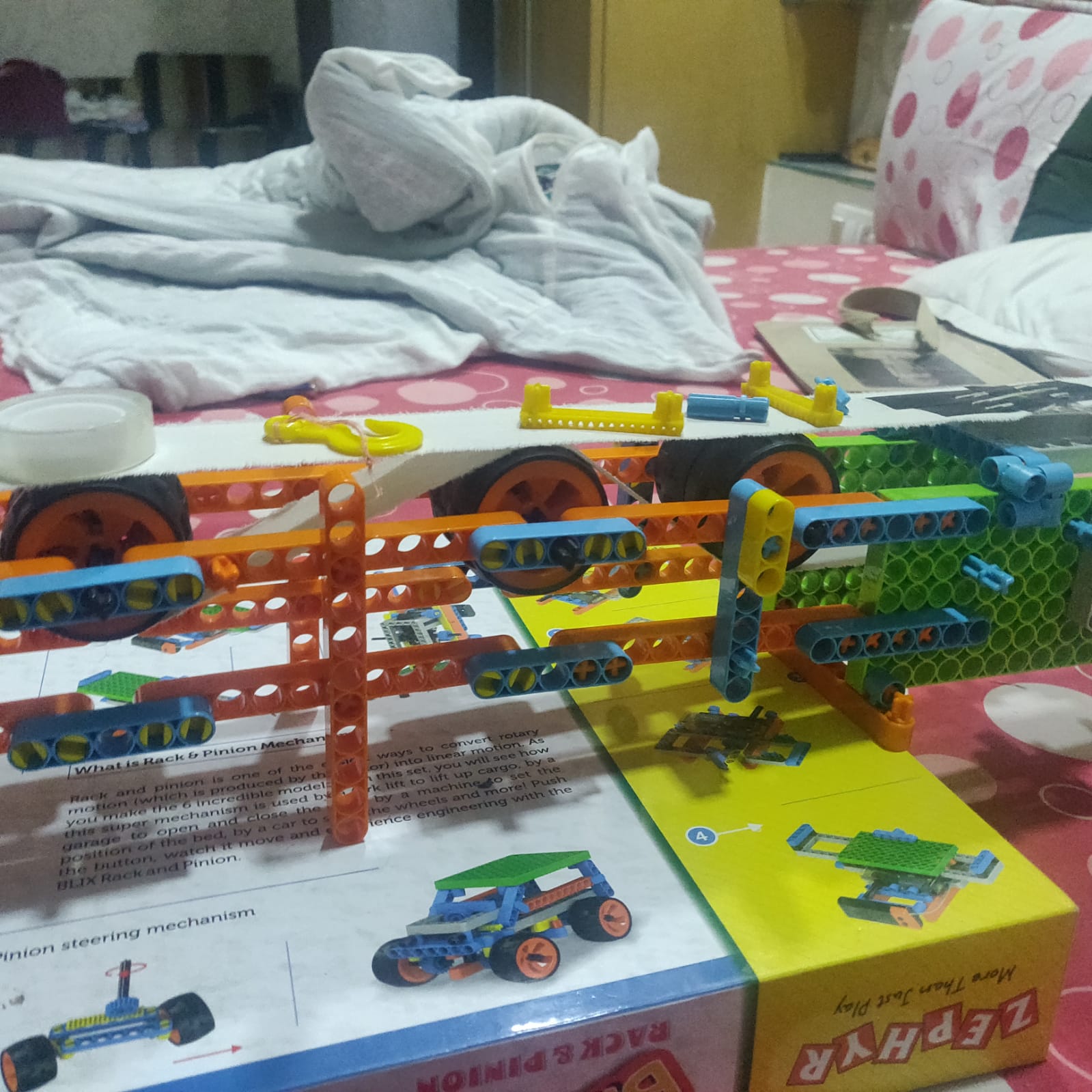
With its robust structure and flexible control system, this conveyor belt unit can be further developed in several ways, such as:
- Automatic Object Sorting: By adding a Color Sensor or an IR Sensor.
- Counter System: Installing a sensor to count workpieces passing along the belt and displaying the results via an LCD screen.
- IoT Integration: Connecting to a Wi-Fi system to command operations and view status via a smartphone.
This project therefore serves as an important foundation for students, academics, or engineers who wish to study Automation and Mechatronics systems comprehensively, from Hardware to Software Control, in line with real industrial factory operating standards.