Eikasía / Is This Real?
Background
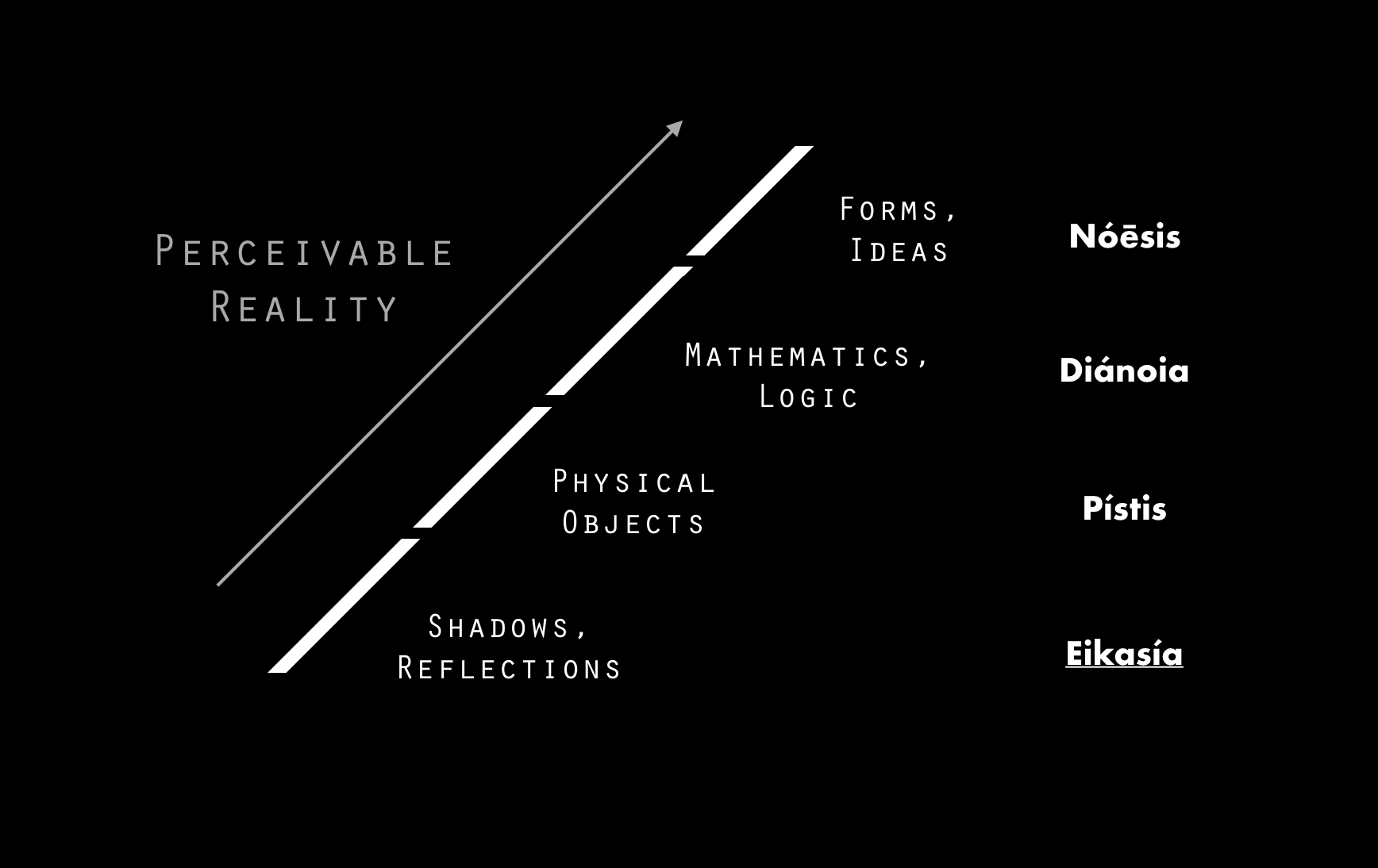
The phenomenon of reflections was used by Plato to visualise one of the steps on the path to understand reality. His Analogy of the Divided Line shows reflections and shadows as the lowest level of knowledge. In this level of the divided line, called Eikasía, it is not possible for one to perceive if something is real or if it is just the reflection or the shadow of real objects.
Setup & Function
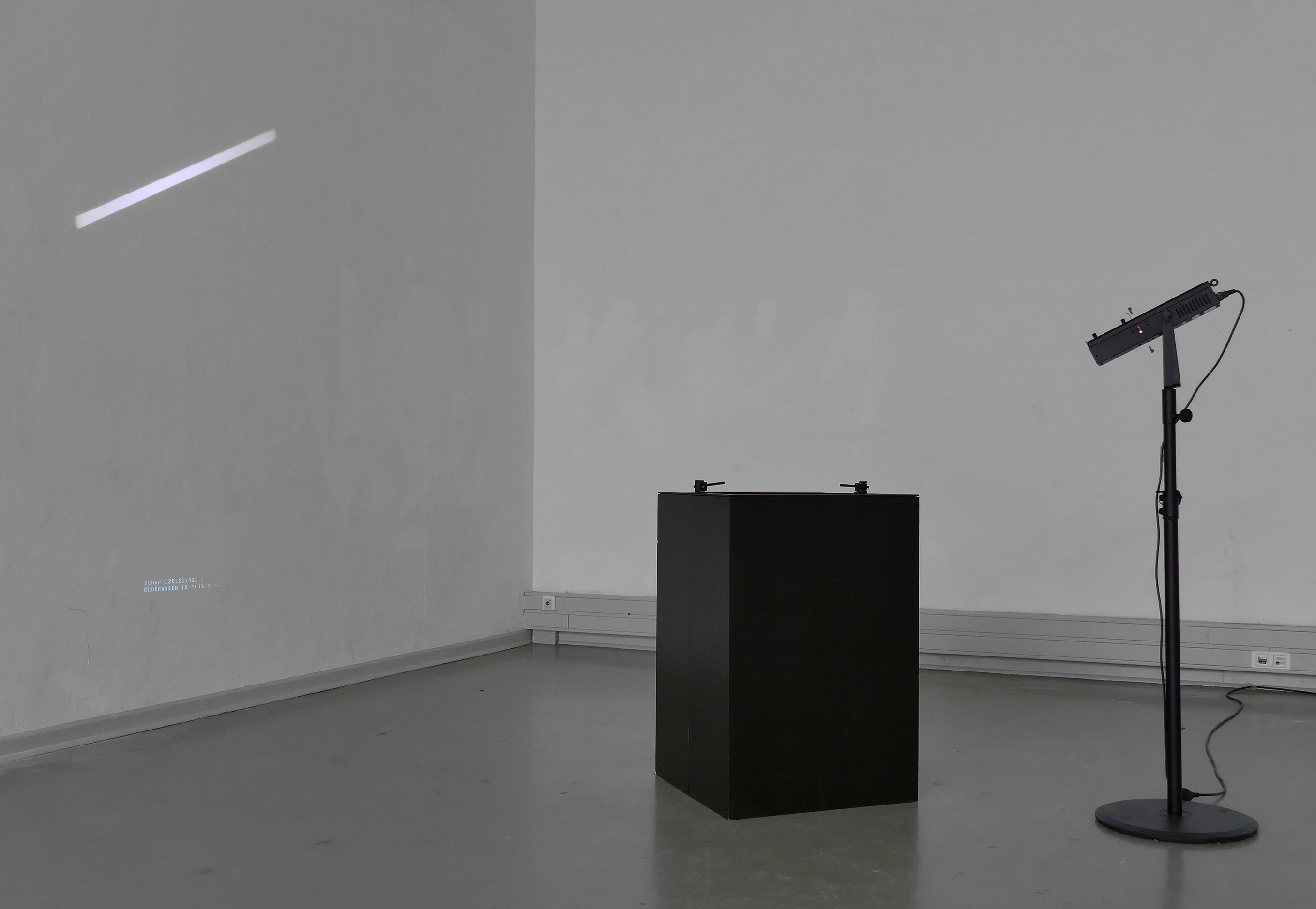
The installation consists of a black cube with a basin of water inside. On the sides of the cube there are two motors with paddles facing each other.
A light projector throws a line of light inside the water basin, which is reflected from the water and thrown onto the wall behind the cube.
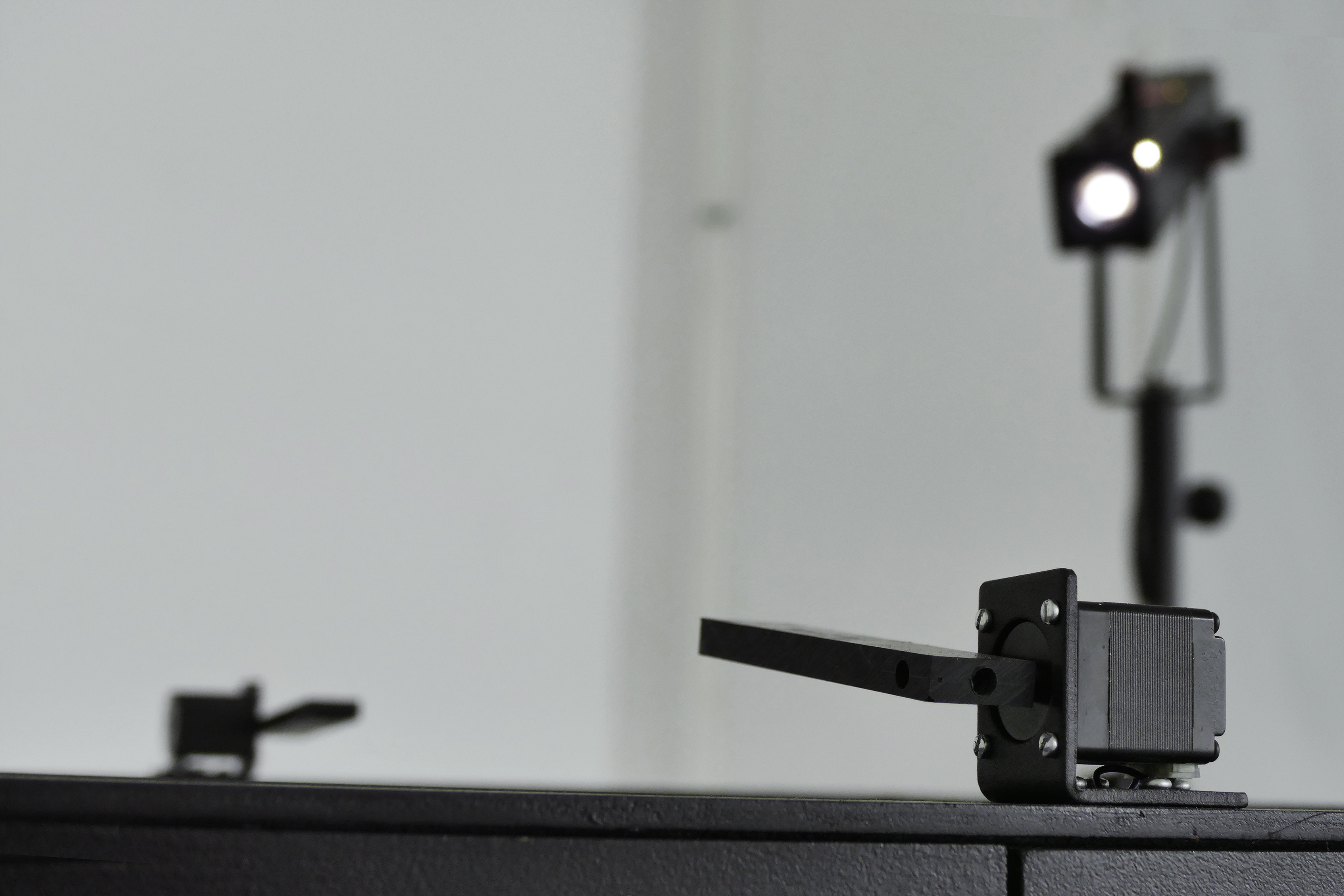
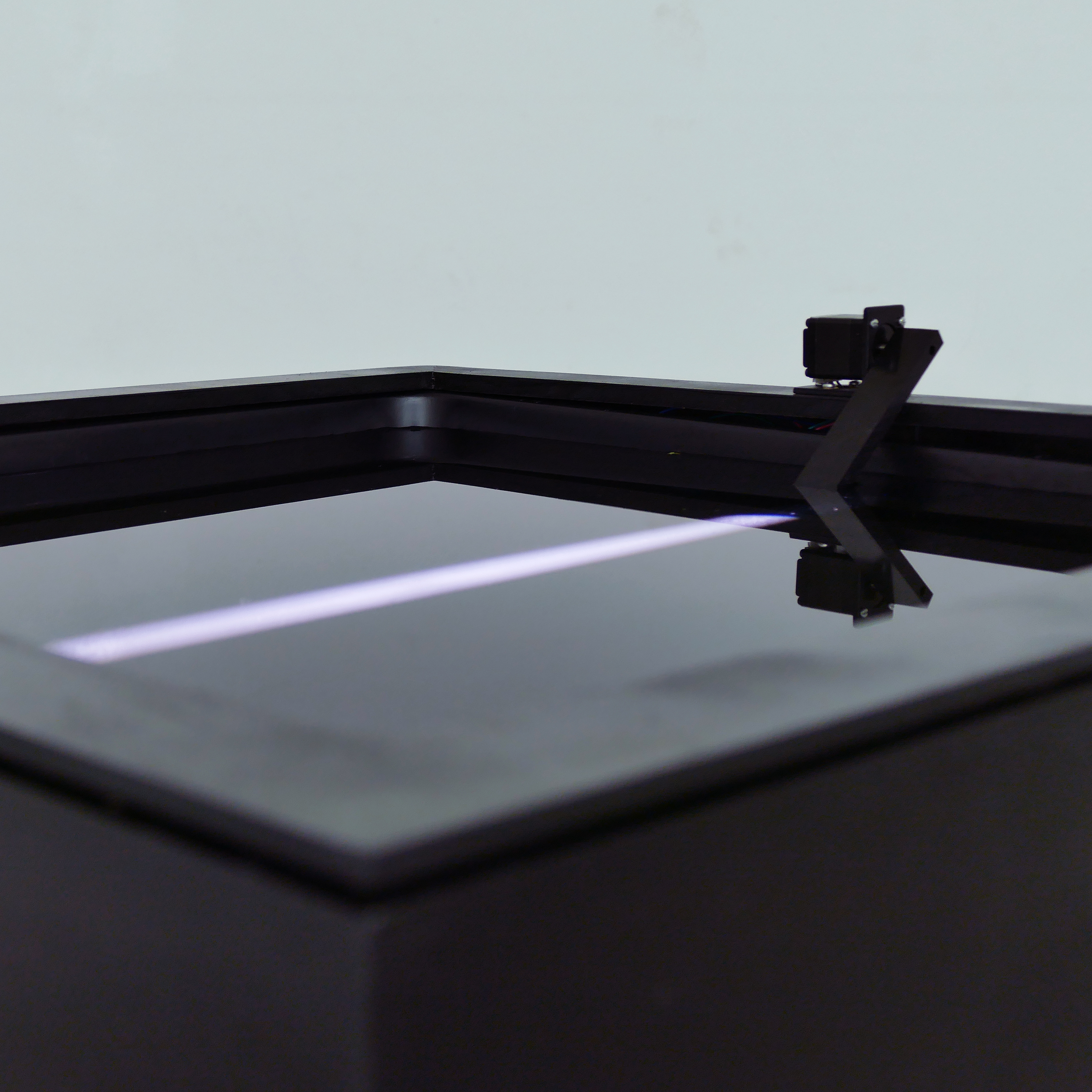
The water surface can be moved by alternating paddle strokes, each triggered by specific twitter live tweets: If someone questions reality in the social network through a text tweet, a paddle hits the surface of the water.
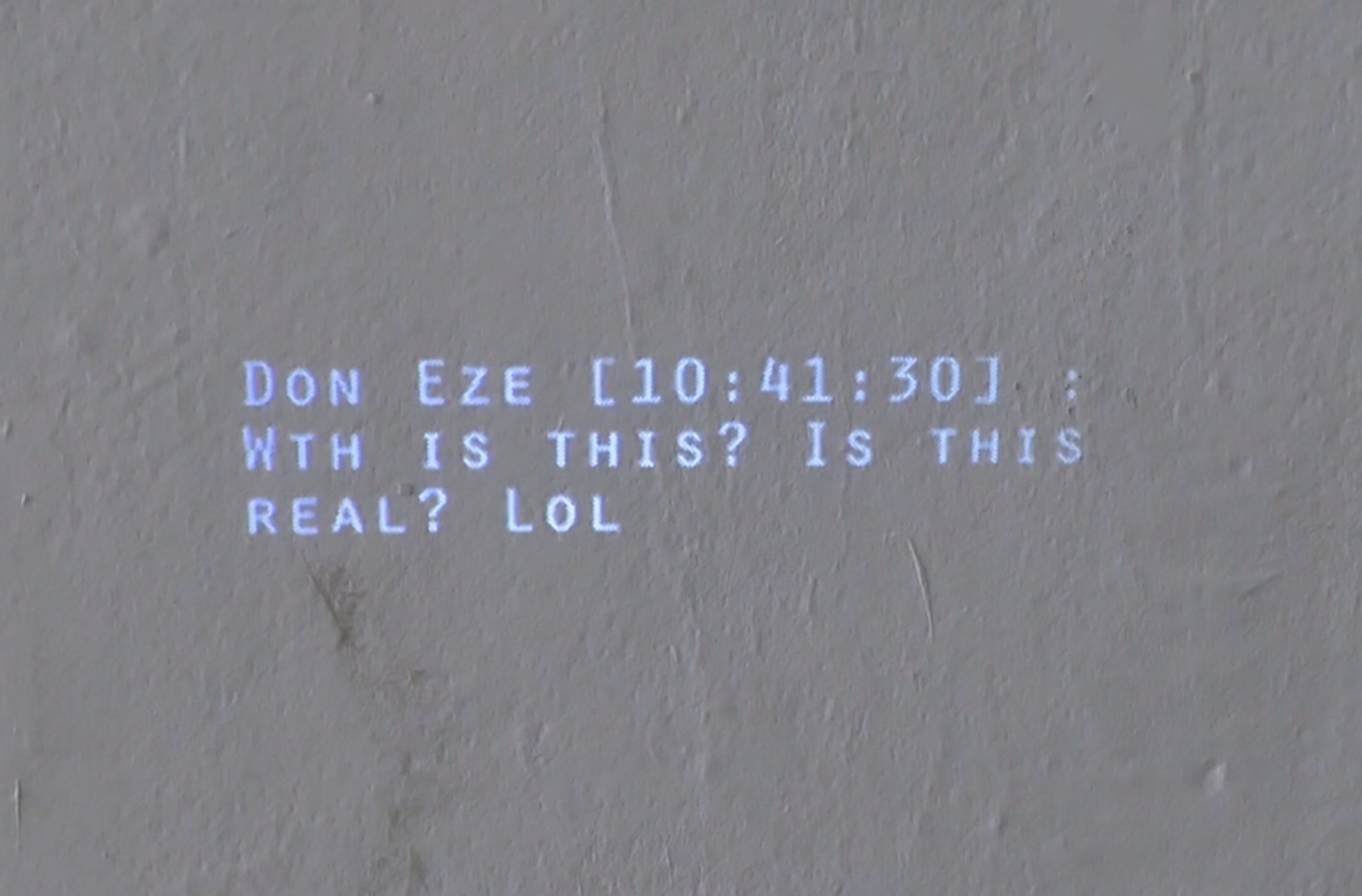
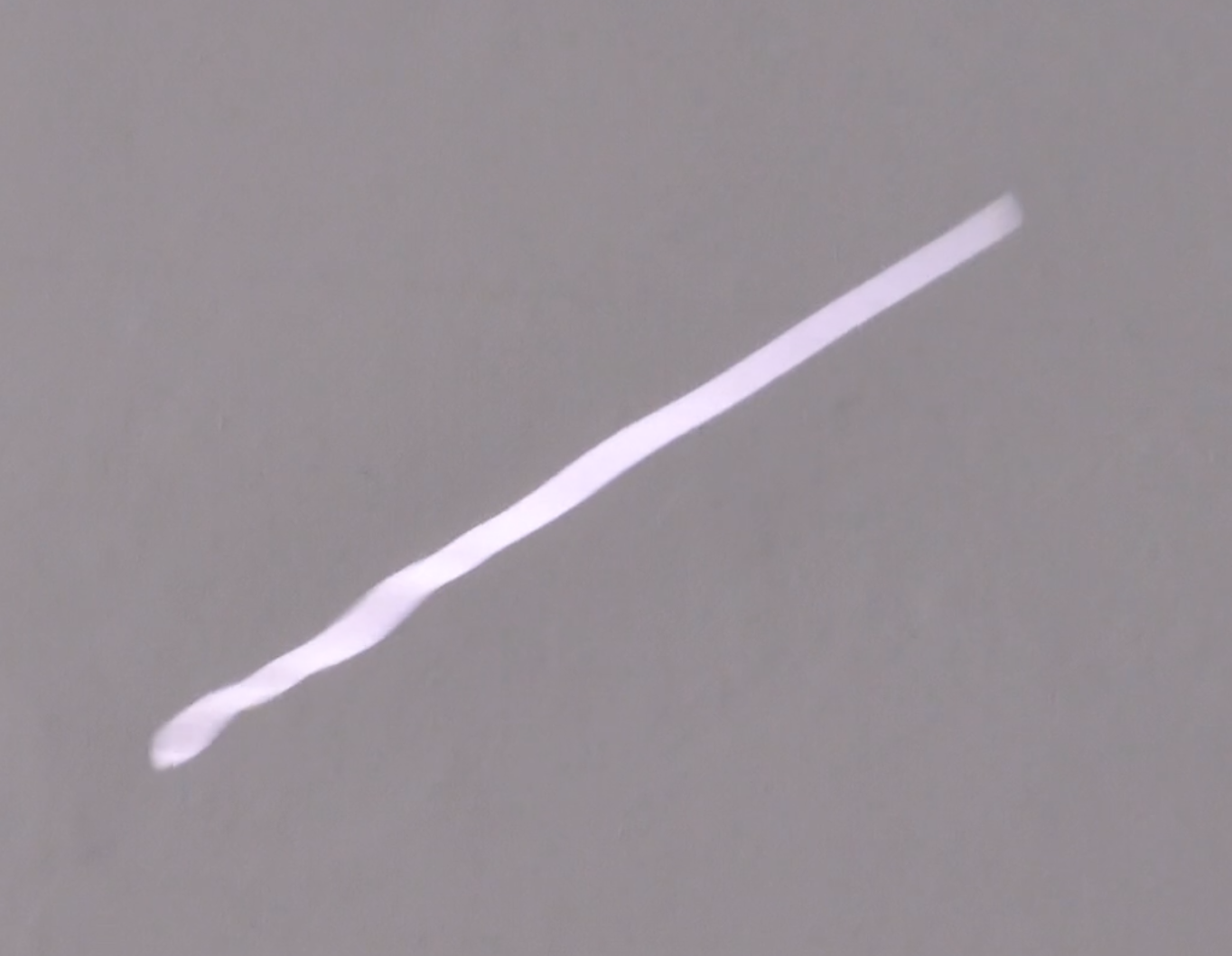
Due to the wave motion, the line reflection on the wall changes its state to a pulsating band. This tweet text is simultaneously visualised. The way in which the reflection on the wall differs from what we would expect, makes us question if that is still only a reflection or a real independent object. It represents the state of Eikasía: when one cannot be sure of what is real.
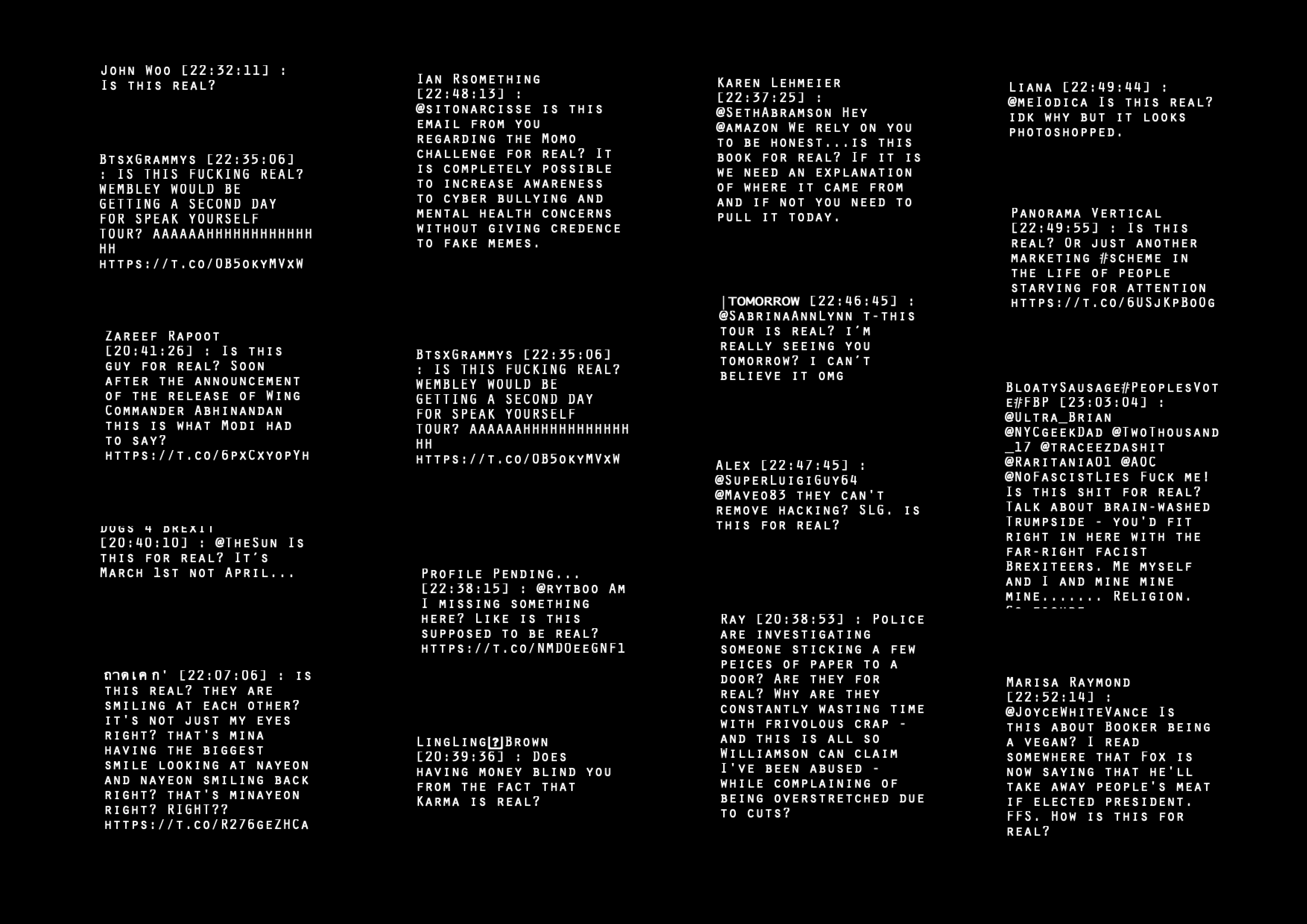
The installation uses the Twitter API, when there is a fitting tweet a signal to the Arduino is sent which controls the motor paddle. For more information please get in touch at astridkraniger.com
Technical Implementation: Sensors and Perception
The project reveals the hidden layers of reality detection:
- Sensing layer: Using multiple sensors (like Ultrasonic and LDR), the Arduino can accurately measure "reality" in different dimensions (distance and light).
- Processing layer: The Arduino "distorts" the raw sensor data using specialized mathematical functions or several random variables to reflect the subjective nature of perception.
- Display layer: An OLED or 16x2 LCD provides a clear and versatile way to show the "distorted" reality and philosophical prompts to the user.
Hardware Infrastructure
- Arduino Uno: The "brain" of the project, managing the sensor inputs and coordinating the display and feedback tasks for the user.
- Ultrasonic Sensor (HC-SR04): Providing contactless "spatial" detection of the user's distance from reality.
- Analog LDR Sensor: Providing "visual" detection of the user's ambient brightness.
- OLED Display: Providing a clear and playful visual feedback for the user's perception through text and icons.
- Piezo Buzzer: Provides a playful and historical audio feedback for several "reality checks" or alert prompts.
- Breadboard: A convenient way to prototype the art-project's circuit and connect all components without soldering.
Measurement and Engagement Loop
The project is designed to be very efficient:
- Initialize Sensors: SETUP the Arduino to communicate with the ultrasonic and light sensors and perform initial calibration.
- Poll Reality: The Arduino constantly requests the raw data from all connected sensors.
- Internal Dialogue Loop: Based on the sensor data, the Arduino selects and shows several "Is This Real?" prompts or distorted values on the display.
- Visual and Audio Feedback: Watch the prompt updated on the display while a small buzzer or LED can be used to indicate "Reality Found" in real-time.
Future Expansion
- OLED Status Dashboard Integration: Add a small OLED display to show a larger life bar and the "Reality Index" score (0-100%).
- Cloud Interface Registration Synchronization: Add a WiFi module (ESP8266/ESP32) and link to a cloud dashboard to track the "collective reality" from several projects.
- Multi-Sensor Bio-Security Integration: Use the "Reality Index" to build a custom rhythmic code or security-access system based on sensor patterns.
- Advanced Velocity Profile Customization Support: Add a small slider or potentiometer to manually adjust the "Reality Distortion" level.
Raison d'être
The work explores a way of today’s human perception of information on the internet, which is often coined by a perpetual doubt of neutrality and authenticity of information. The work processes these perceptions and assumes the role of a neutral, non-judgmental listener and indicator of human doubt and reaction to information. The installation sets our today's issue of integrity of information into the context of the philosophic question of all time: Is This Real?
Eikasía / Is This Real? is a perfect project for any science enthusiast looking for a more interactive and engaging reality-tracking tool!