Globe trotter is an attempt to make "holiday pictures viewing" less boring for people watching it.
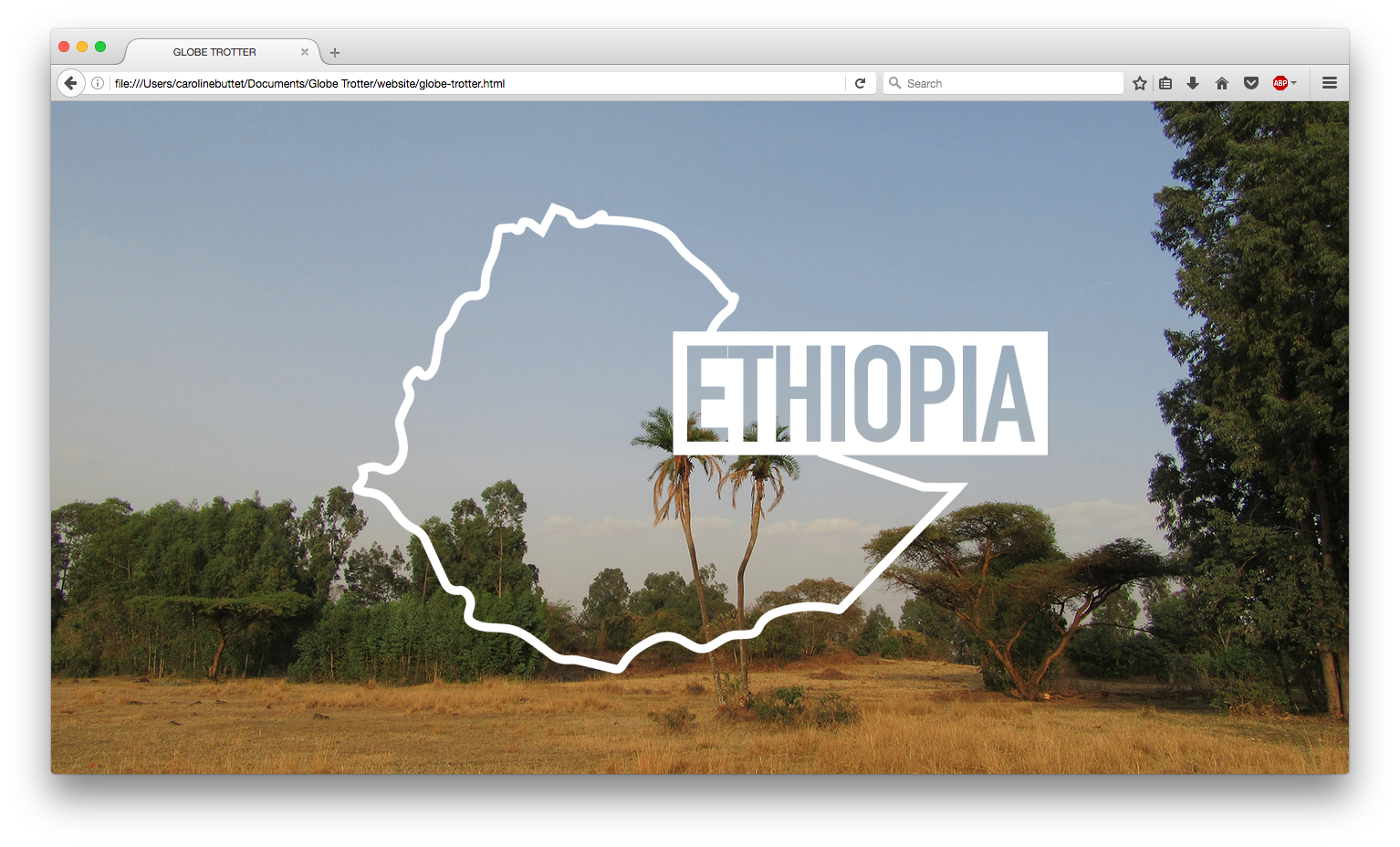
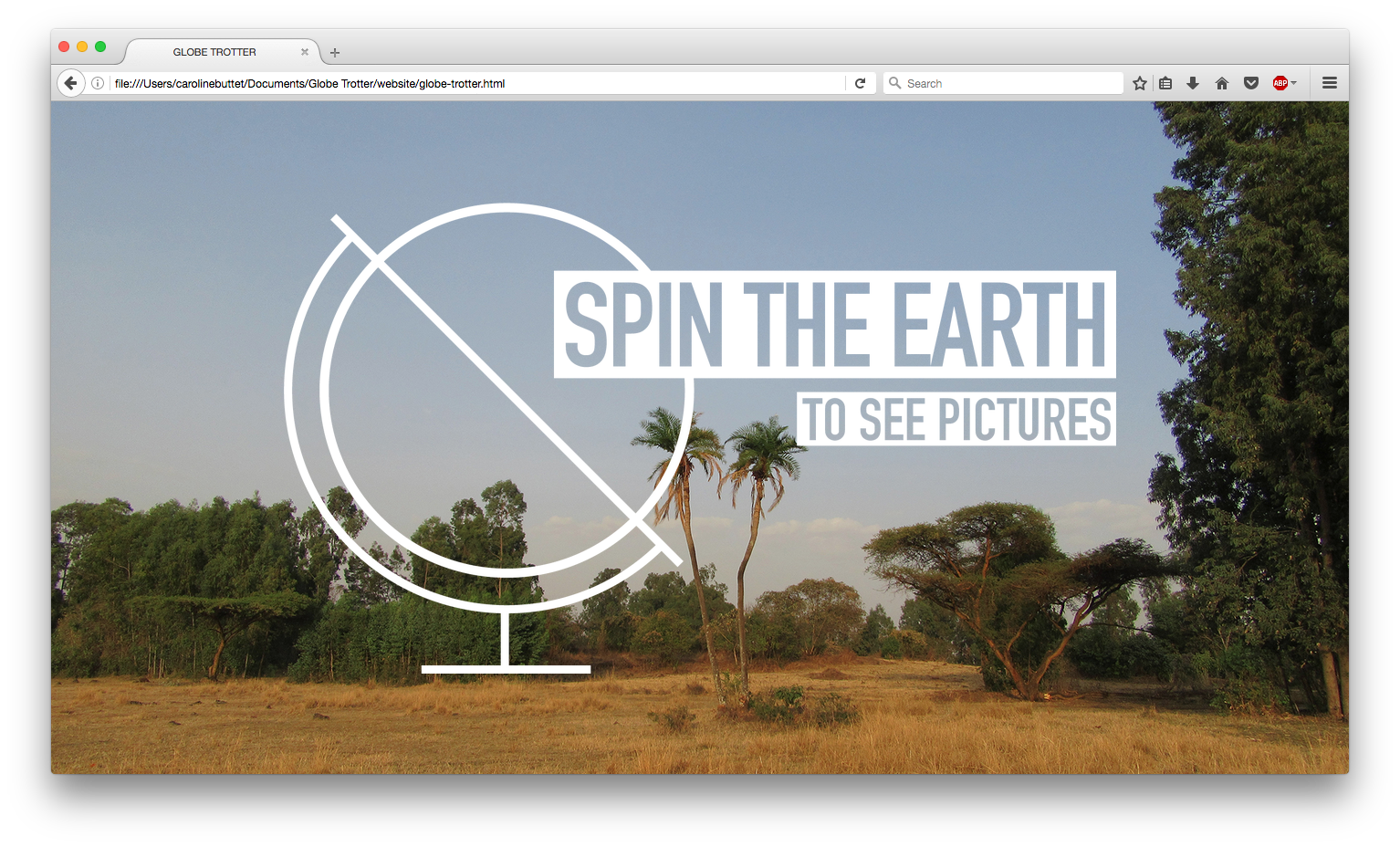
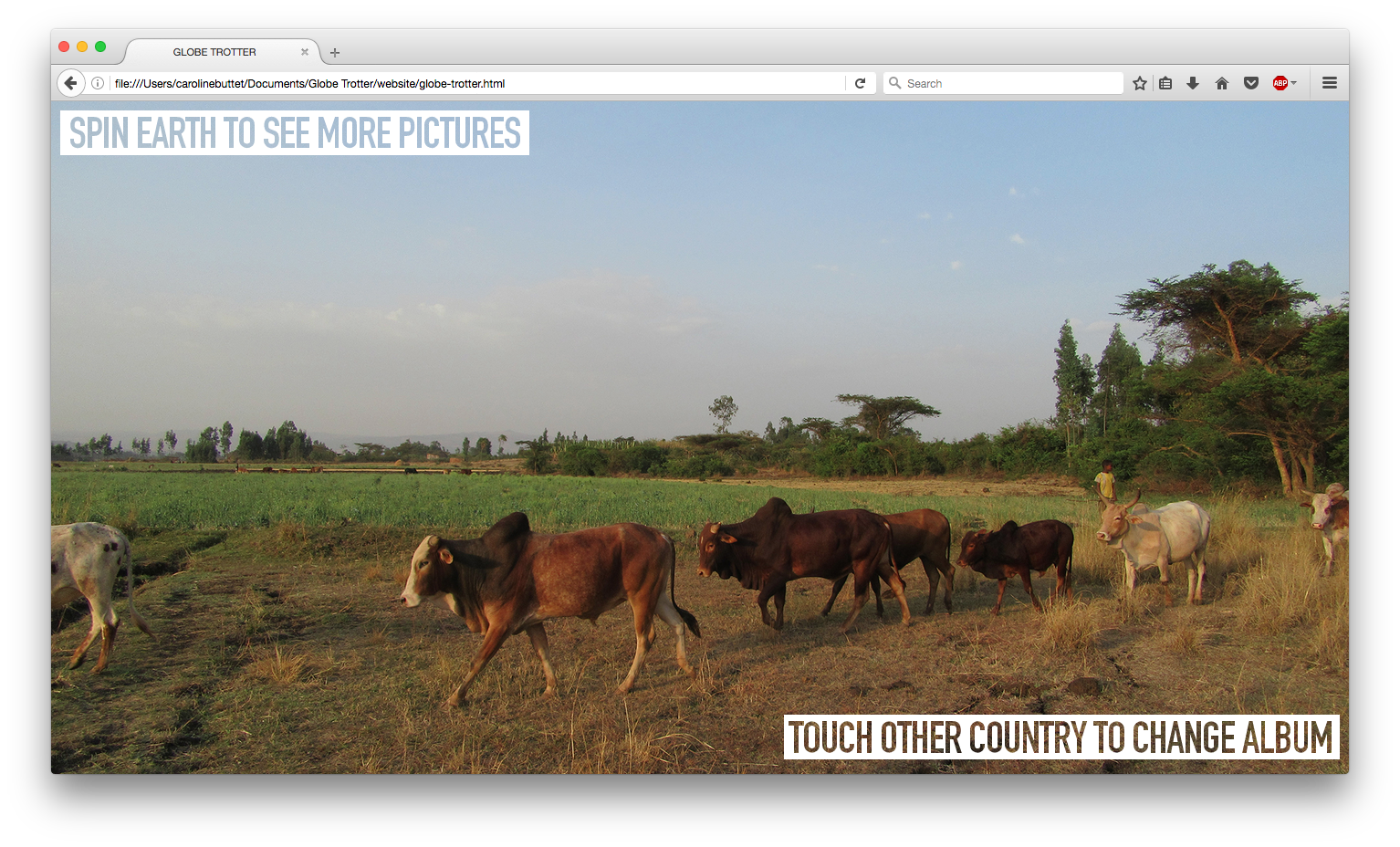
The idea was to build a globe that would allow users to browse holiday pictures in a tangible and fun way. You would first pick an album (by touching a country), and then browse the photos by spinning the globe.
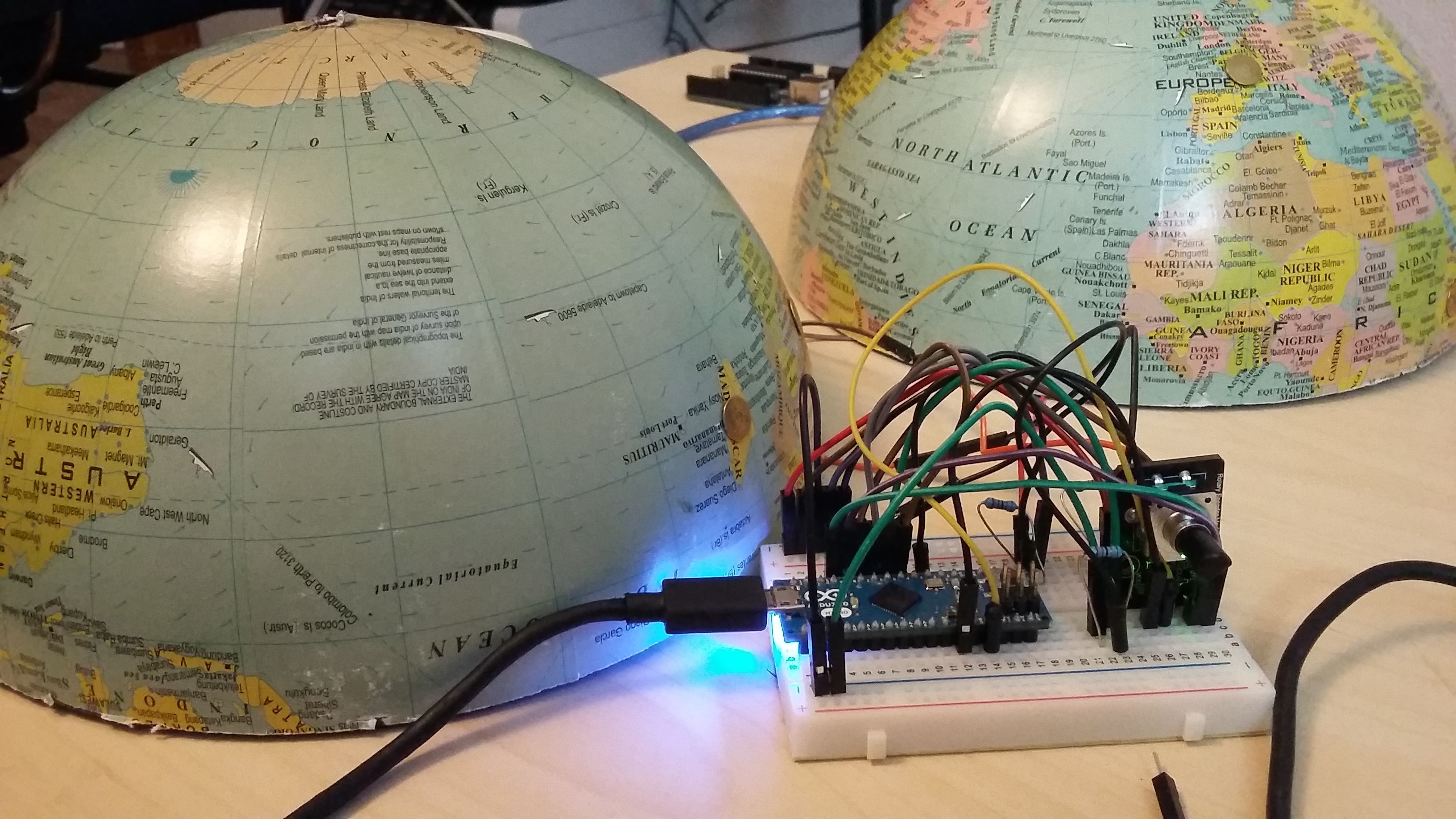
To make this project, I bought a regular globe from the store, and I pinned metal pins to the countries I visited. I then hooked a capacitive sensor to those pins, and I linked it to an Arduino.
I attached a rotary encoder to the axis of the globe, in order to be able to get the globe's position.
I then wrote a small programm that processes the data in my Arduino Micro, who then sends keyboard signals to the computer.
On the computer is a custom webpage that contains all the photos. The user can then browse the photos by interacting with the globe!
Here's a blog post I made about the work in progress, and here's the final project page.
EXPANDED TECHNICAL DETAILS
Interactive Geographic Learning
Globe Trotter is an educational tech project that turns a physical globe into a digital interface for world facts and geography.
- Capacitive Input Mapping: Specific continents or cities on the globe are "tagged" using conductive paint or copper tape connected to an Arduino with touch-sensing capabilities (like the MPR121 module).
- Audio Retrieval: When a user touches a location, the Arduino identifies the corresponding "ID" and triggers the playback of a voice recording (facts, history, or capital name) stored on a DFPlayer Mini MP3 module.
Multi-Sensory Feedback
- RGB State Lighting: Hidden LEDs inside the globe can illuminate specific regions or change colors (e.g., matching a country's flag) to enhance the visual experience during the interaction.
- Scalability: Can be expanded with a small OLED screen on the base to display text-based data like population or current local time for the selected region.