HC3 CubeSat Overview
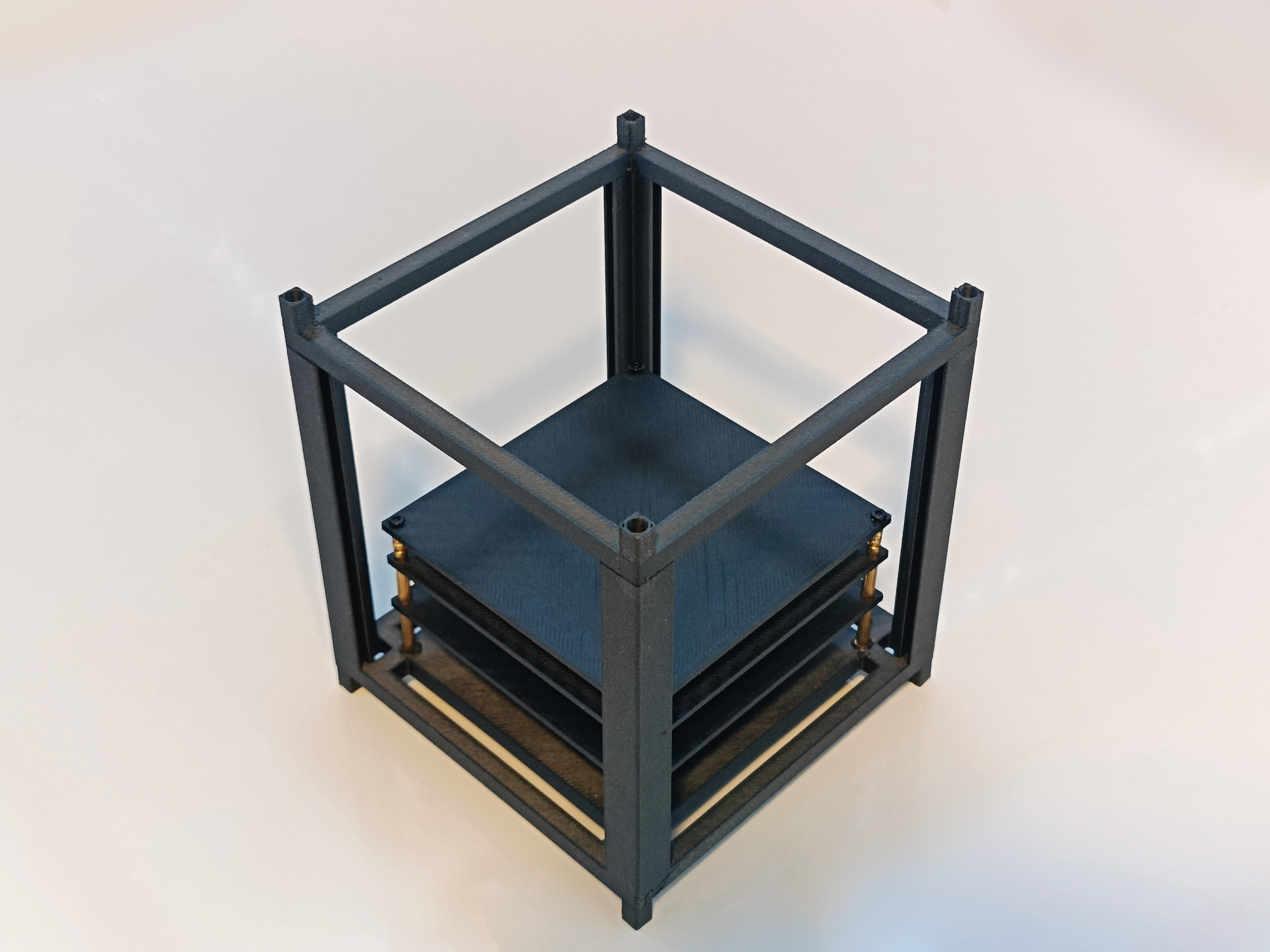
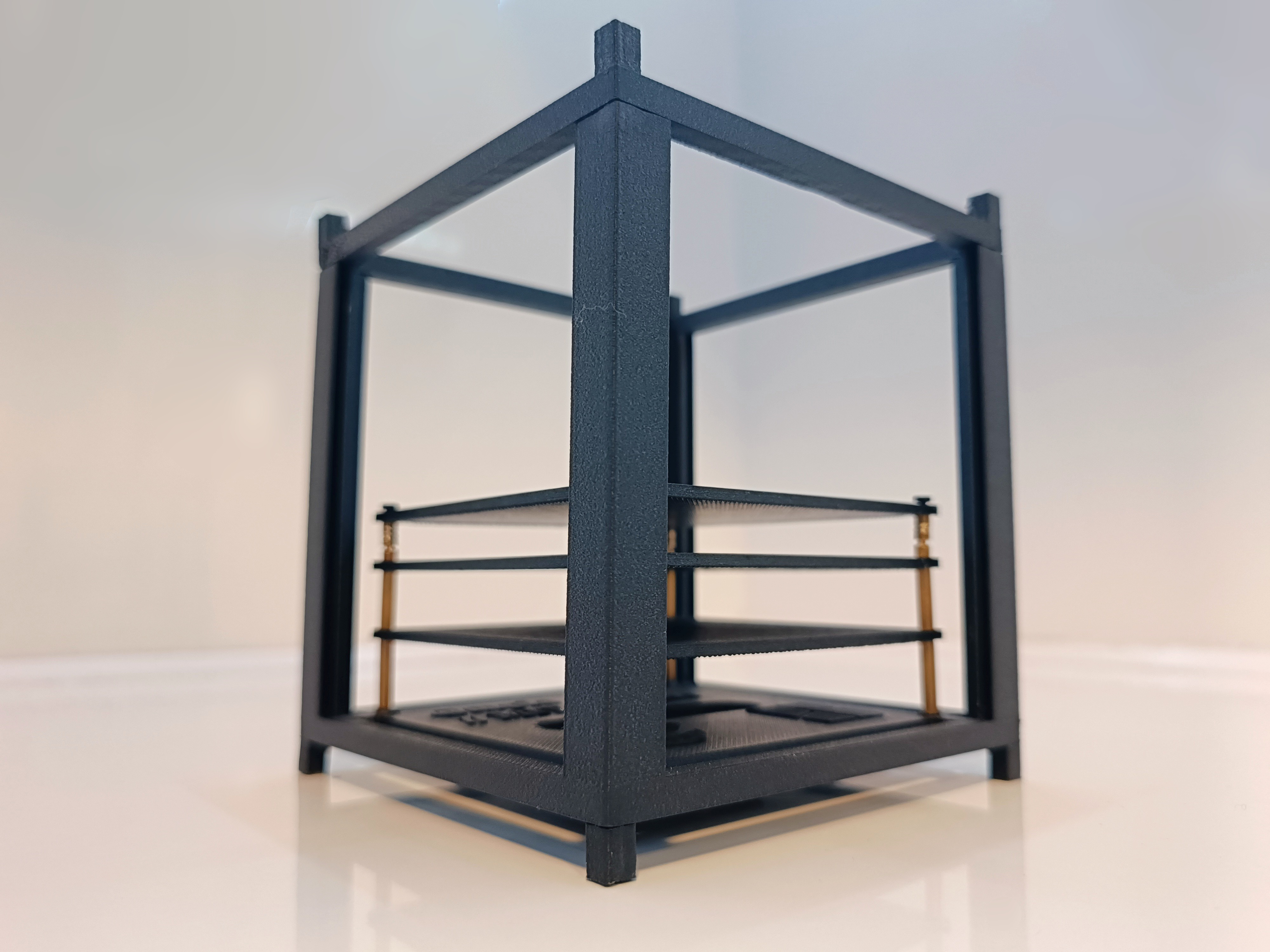
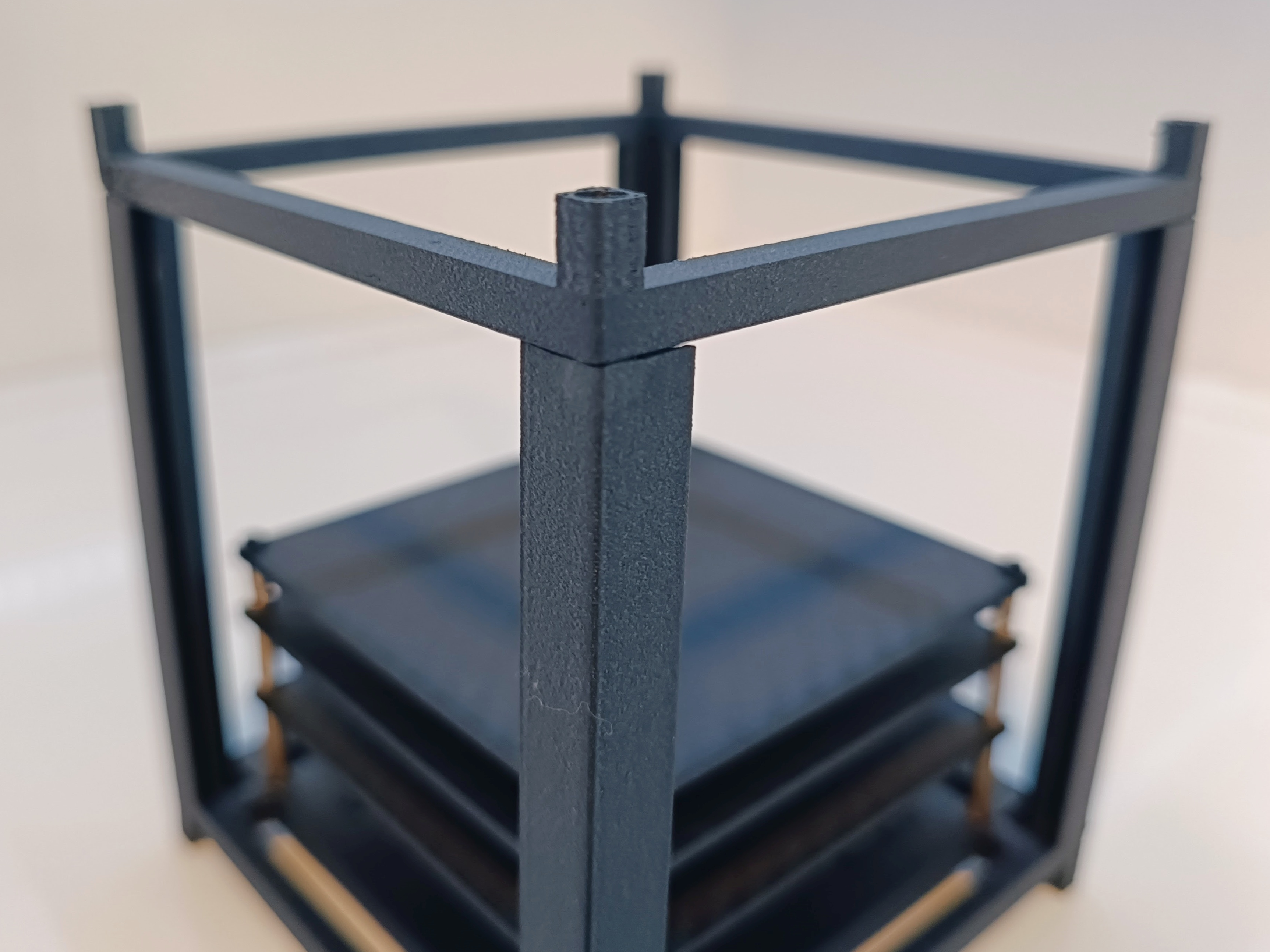
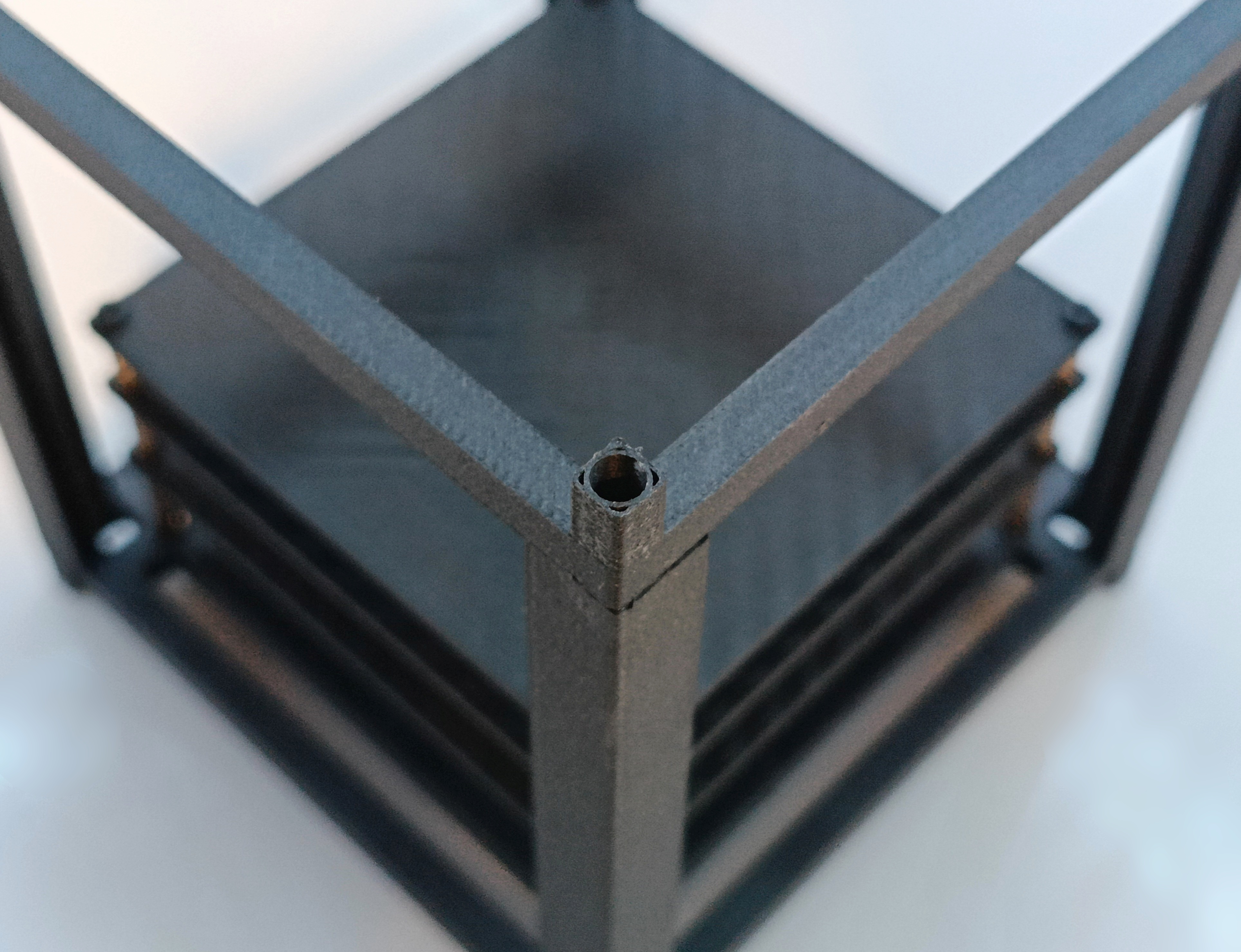
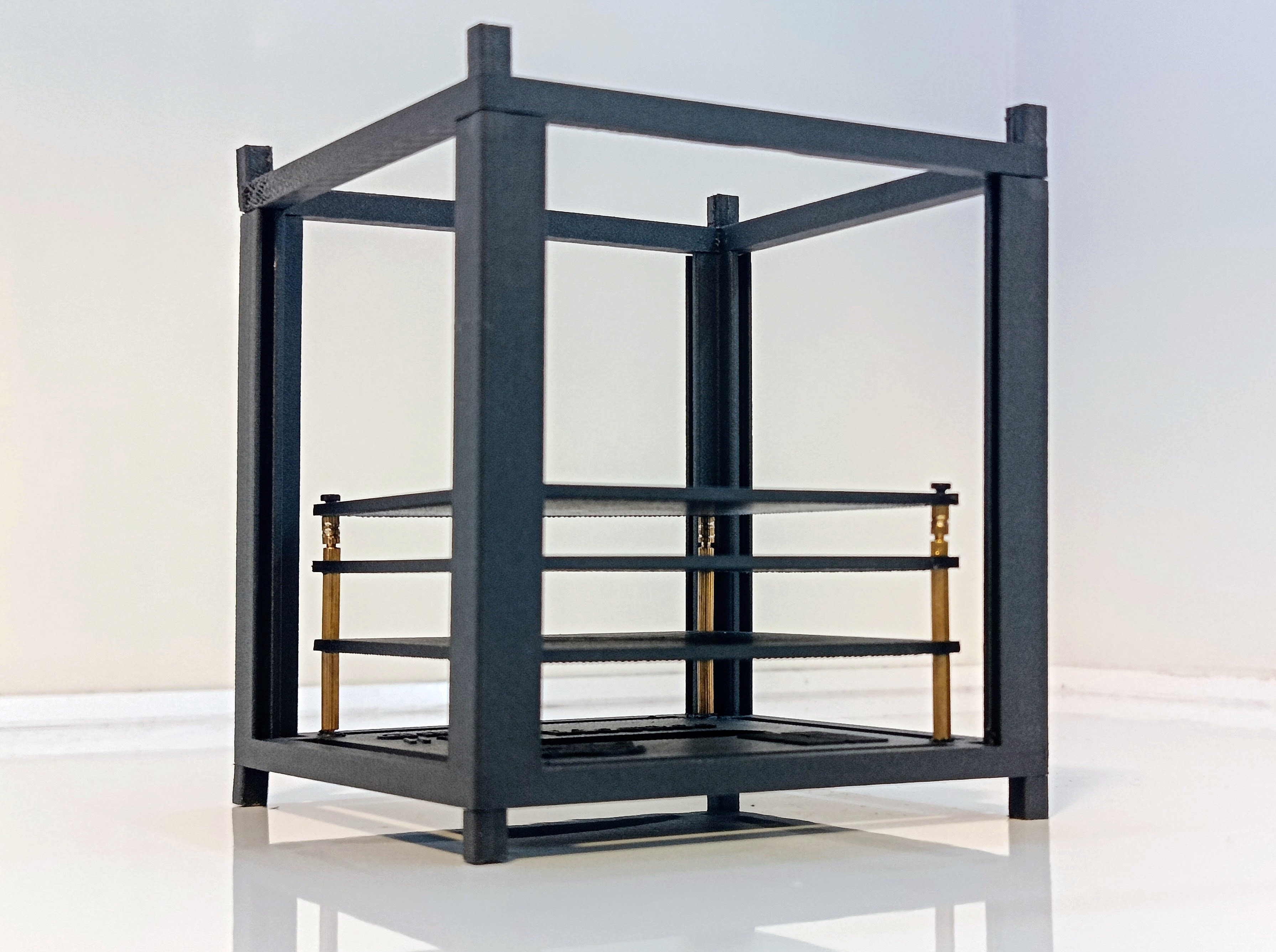
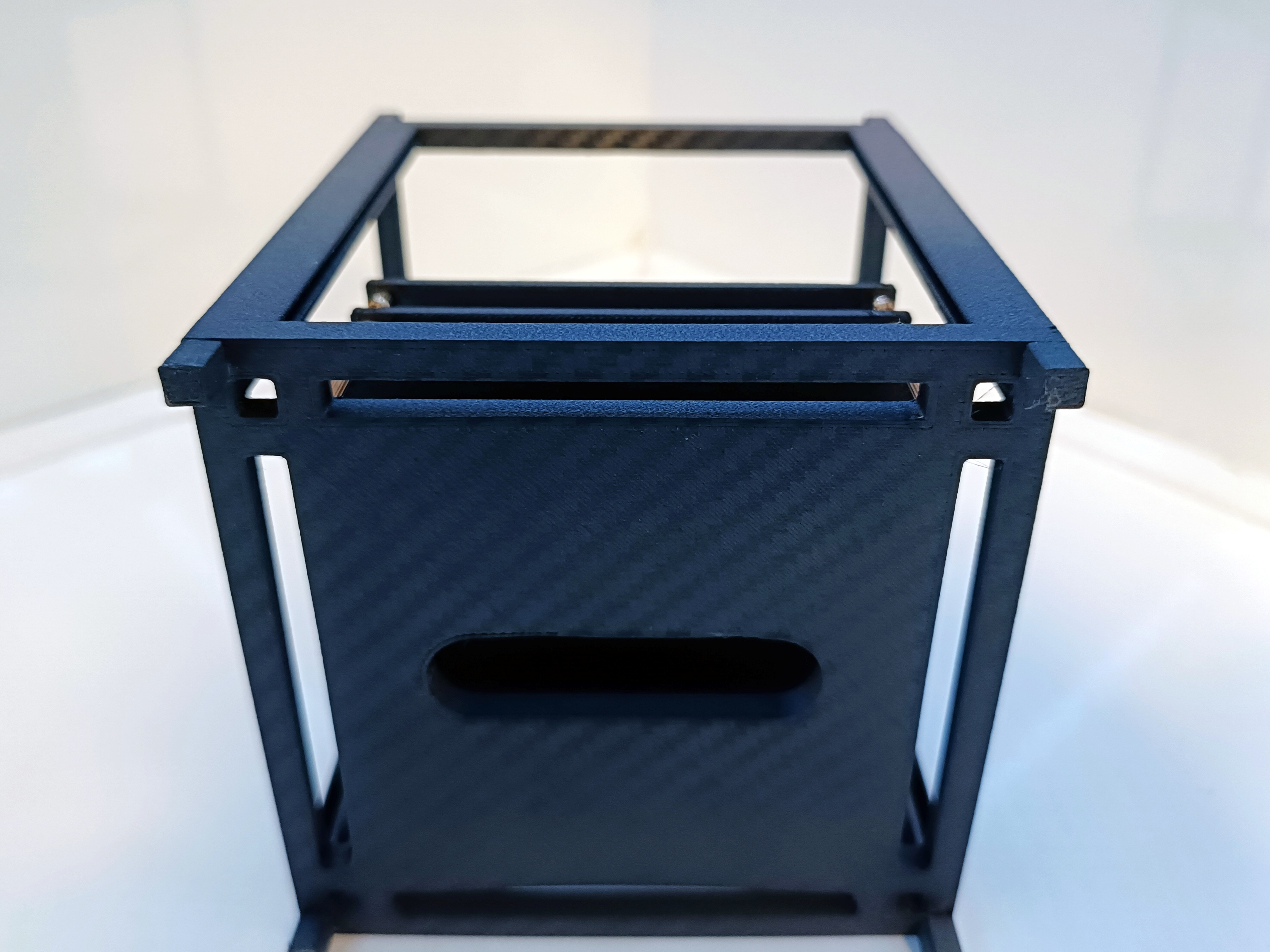
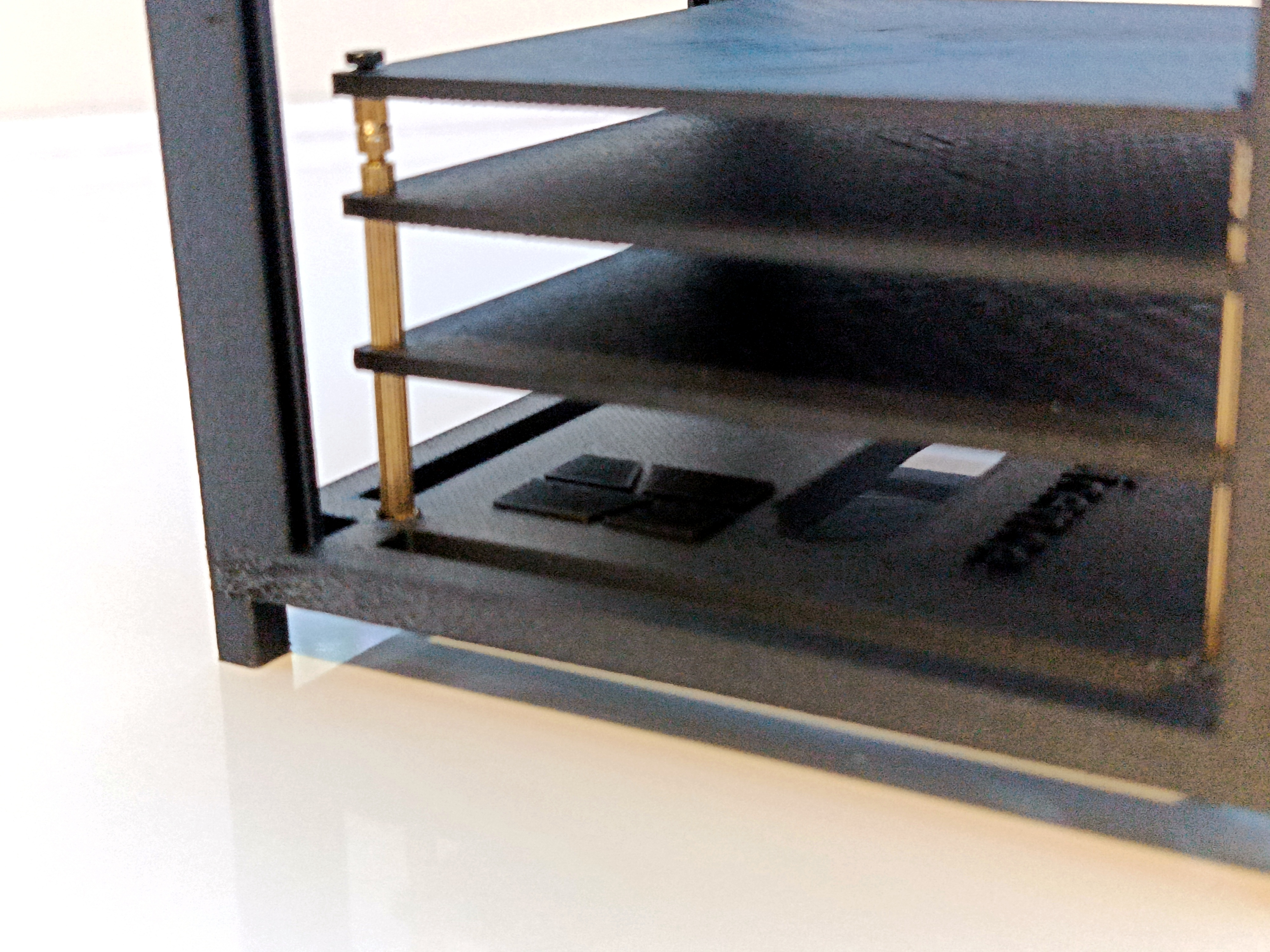
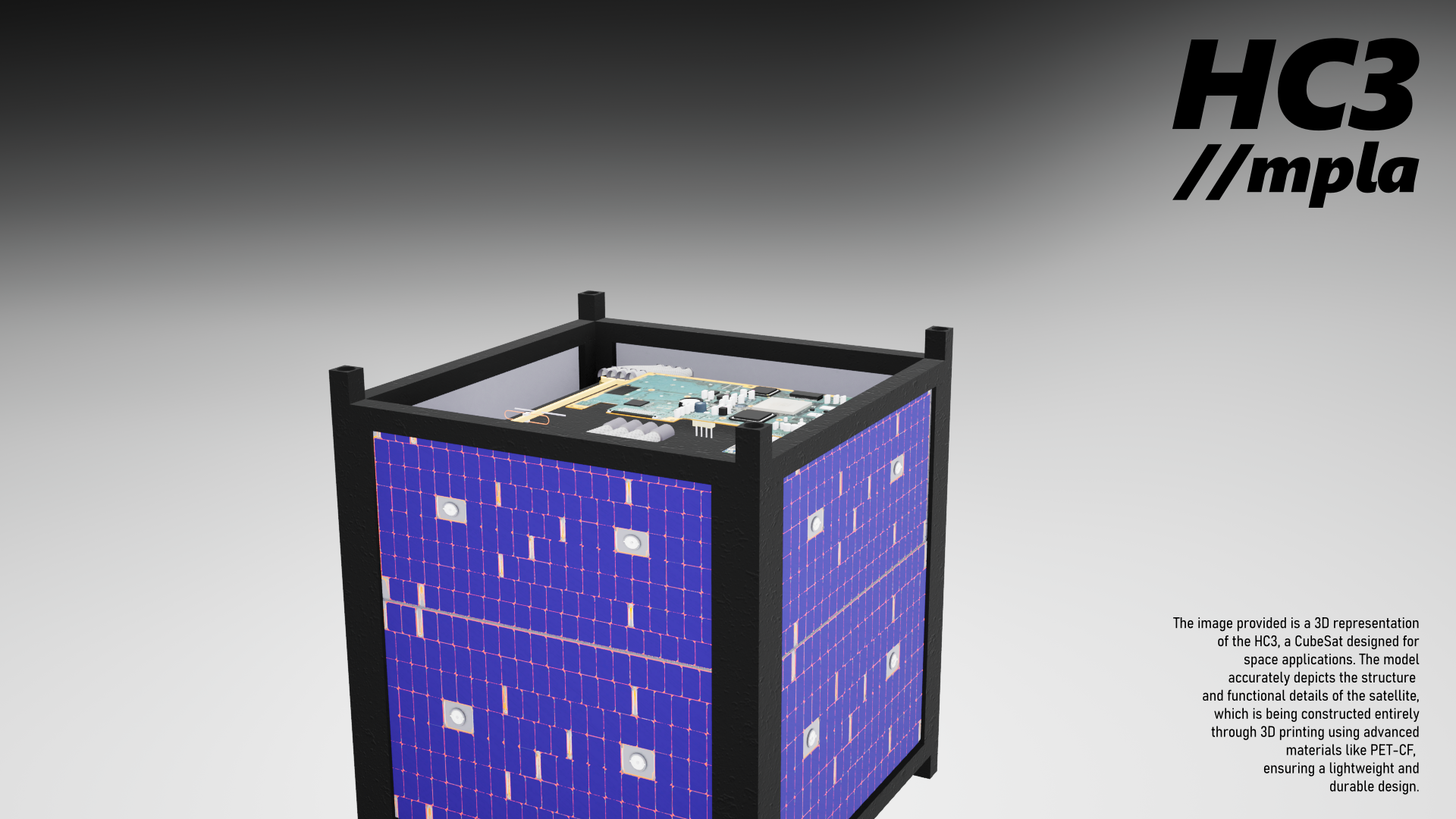
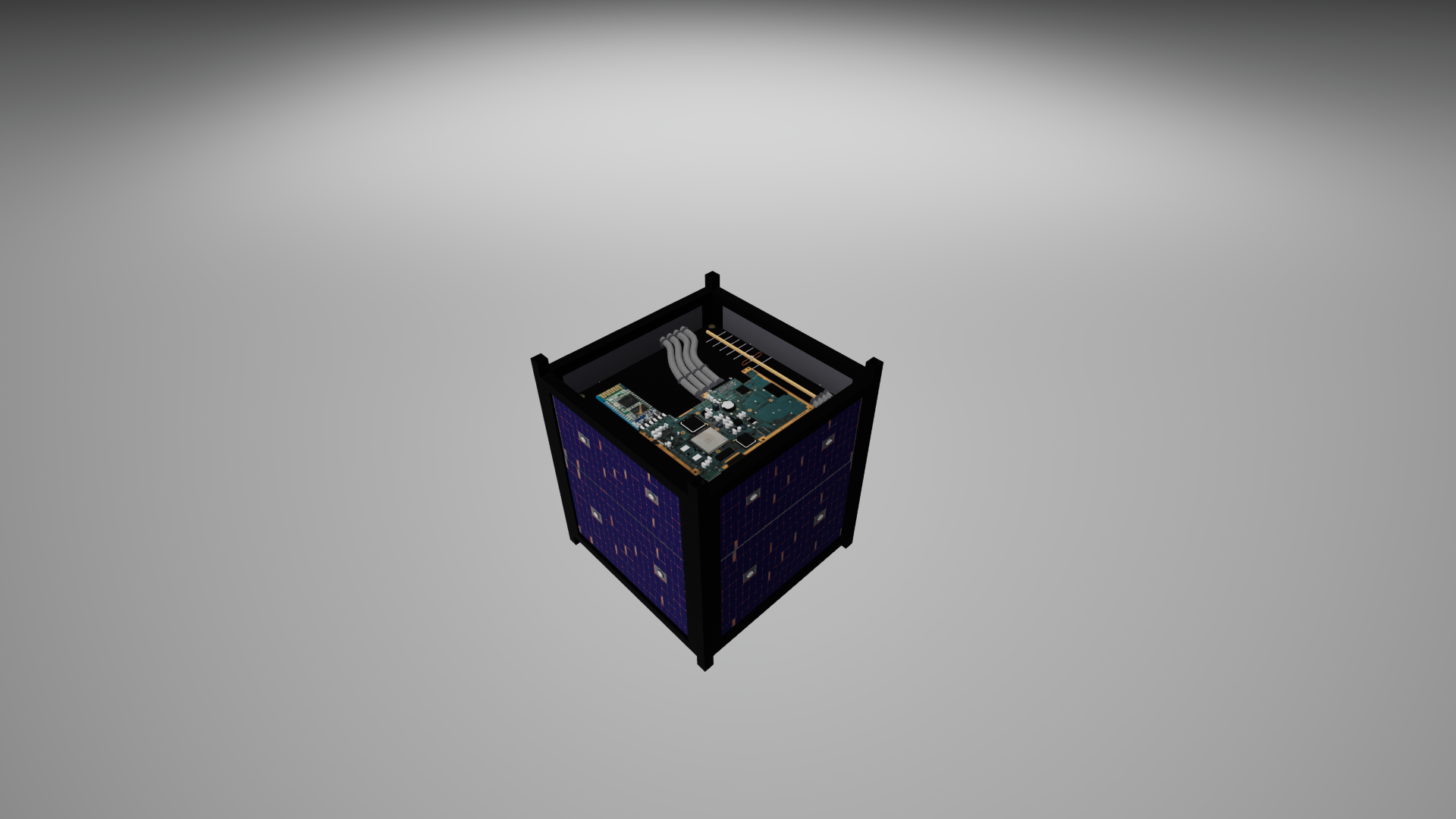
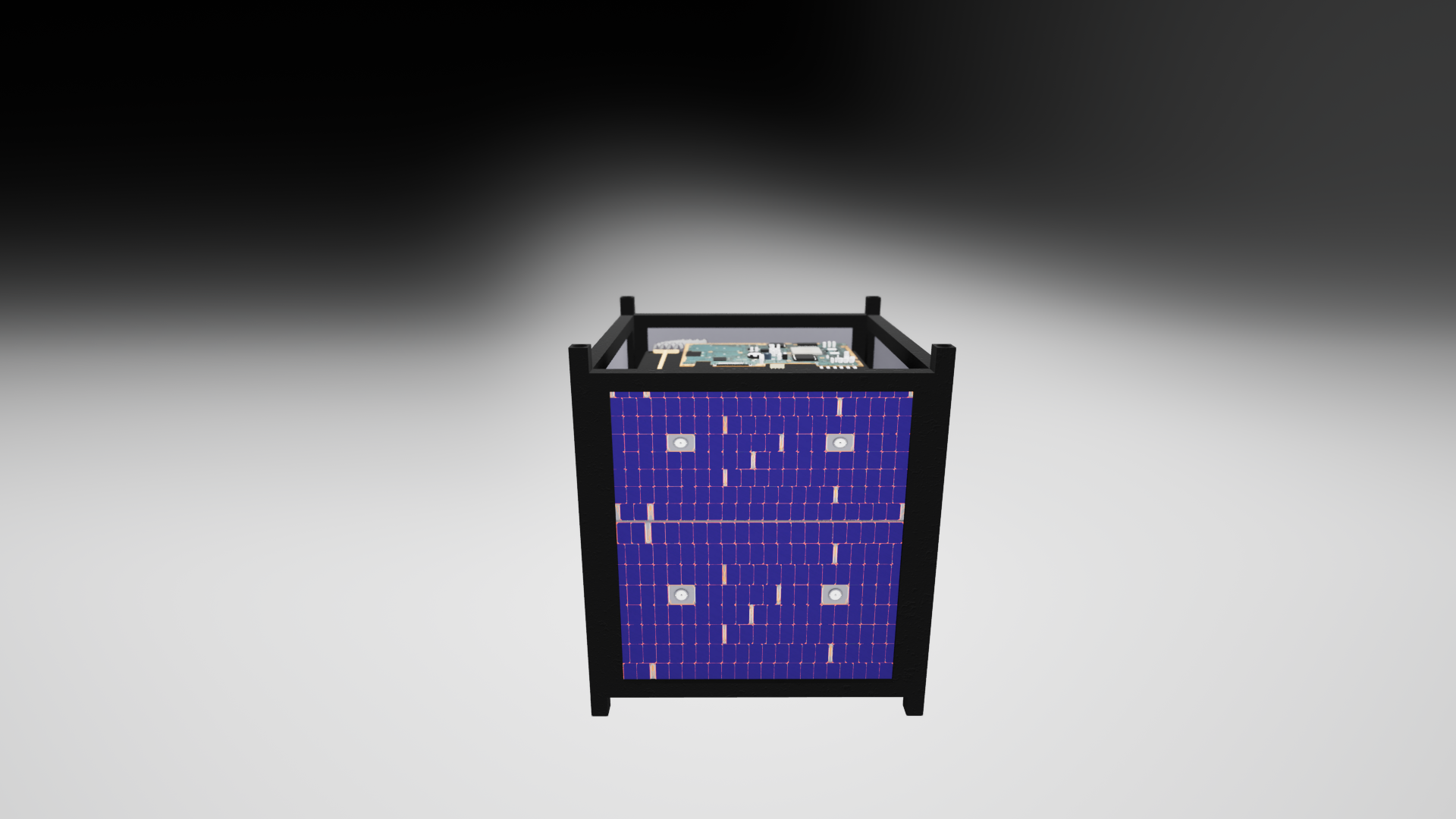
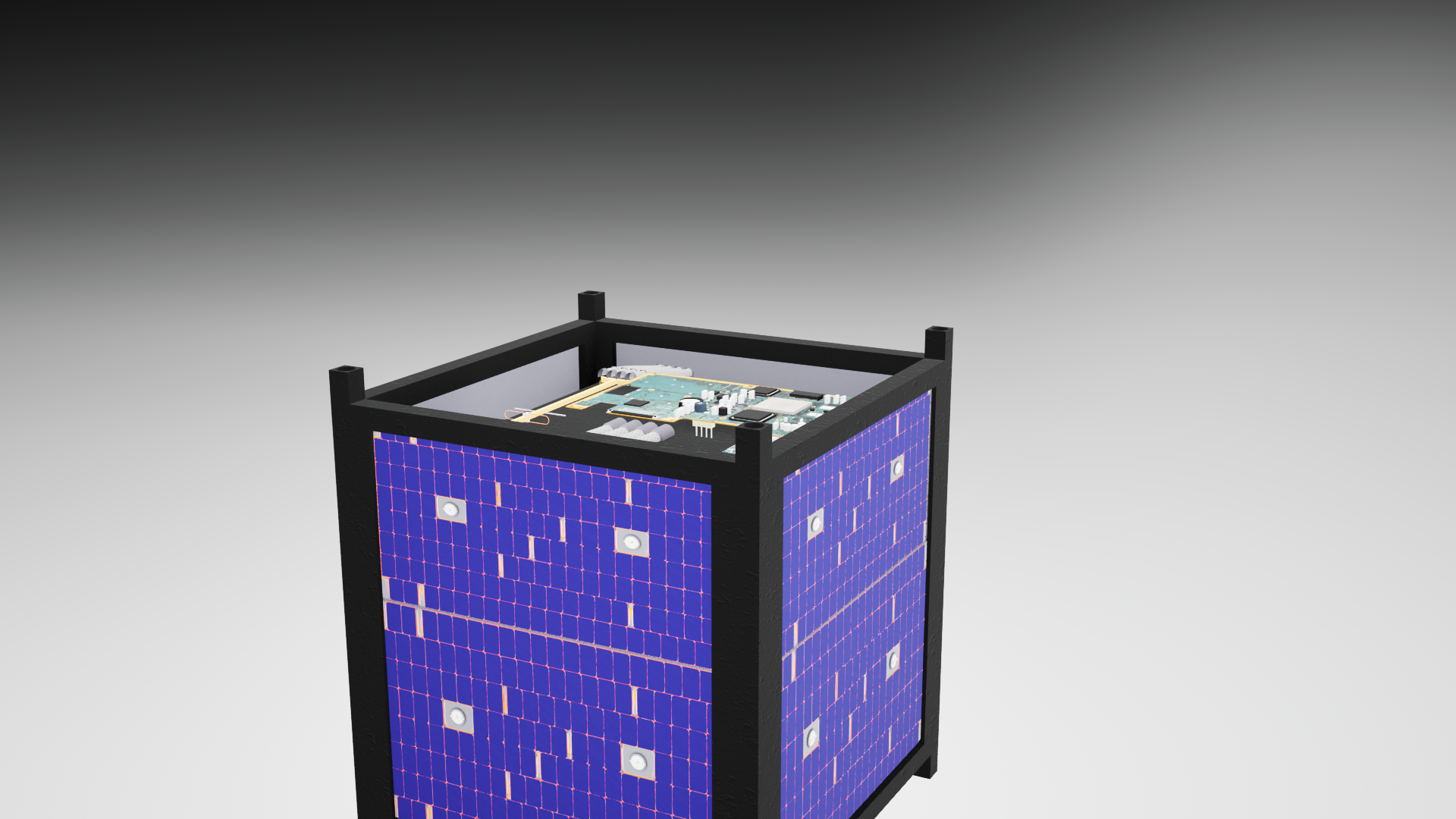
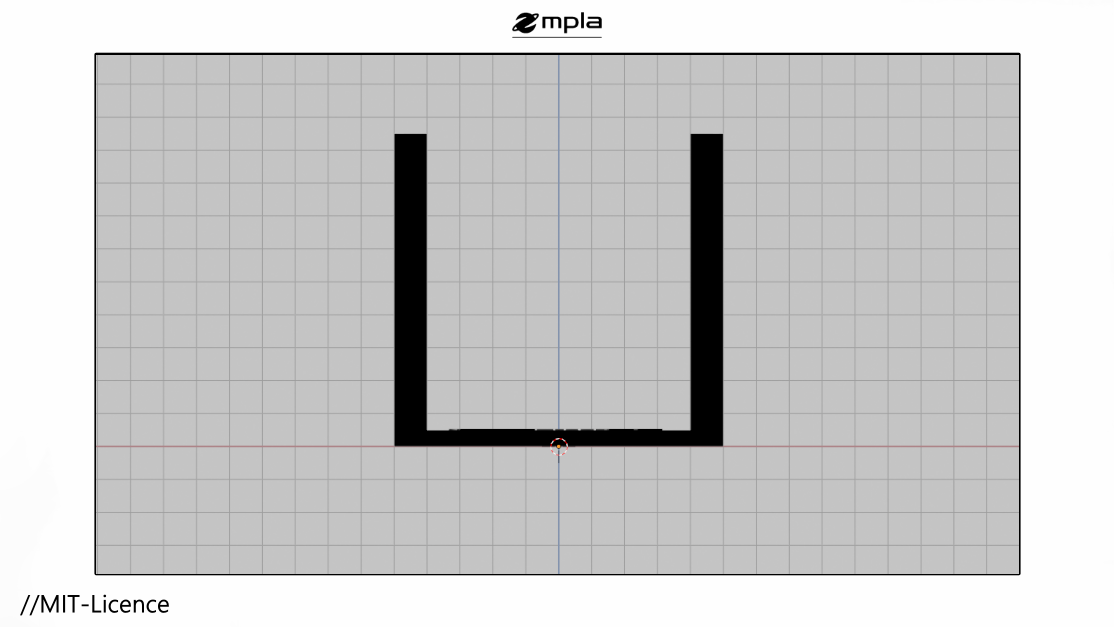
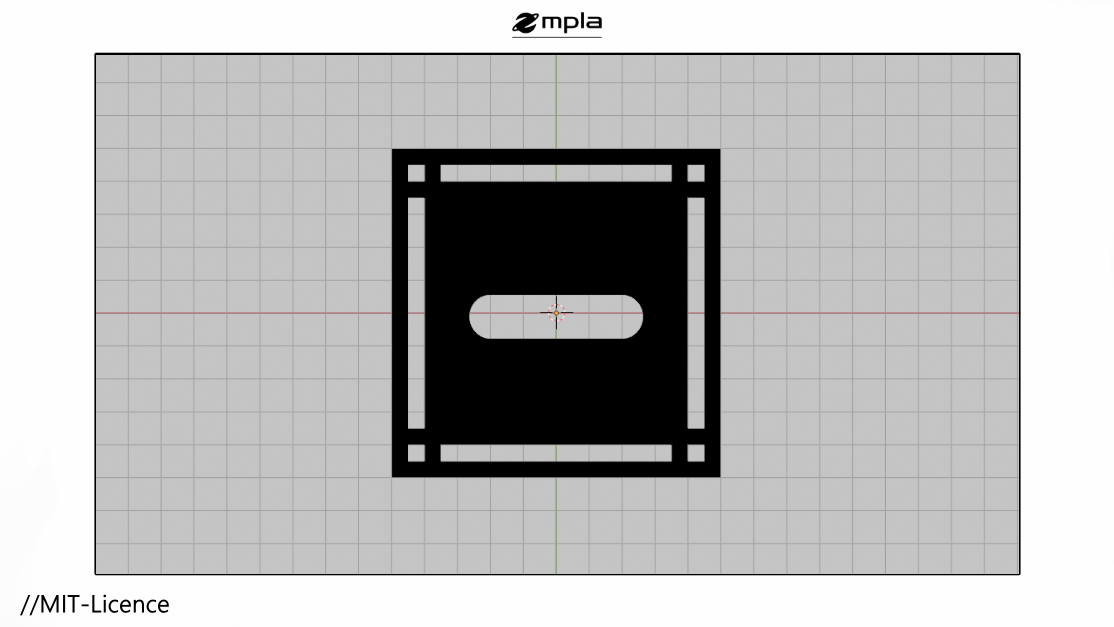
The HC3 CubeSat is a lightweight satellite designed for educational and research purposes, entirely constructed using advanced 3D printing technologies. Its structure is composed of four modular components that interlock to form the complete satellite. Utilizing PPA-CF filament, the HC3 achieves both durability and reduced weight, making it optimal for space applications. The design emphasizes cost-effectiveness and accessibility, showcasing how 3D printing can revolutionize satellite manufacturing.
Contribution of BambuLab
BambuLab's cutting-edge 3D printing technology has played a pivotal role in the HC3's development. Their high-precision printers and support for advanced materials like carbon-fiber-reinforced filaments have enabled the realization of intricate designs and robust structures. This collaboration exemplifies the potential of integrating commercial 3D printing expertise into aerospace projects, further bridging the gap between consumer-grade tools and advanced space exploration initiatives.
HC3 Mission: Design, Architecture, and System Analysis for CubeSat Operation
Abstract
This paper presents an in-depth analysis of the design, structure, component configuration, and operational capabilities of the HC3 CubeSat. The mission of the HC3 is to capture environmental data while in orbit, relaying critical information to an Earth-based station. The HC3 CubeSat utilizes advanced components, including a robust composite frame, solar power systems, and a LoRa radio communication link, optimized for long-term reliability and operational efficiency in low Earth orbit (LEO).
1. Introduction
The HC3 CubeSat project was initiated with the primary mission of demonstrating cost-effective, reliable, and versatile CubeSat technology. Designed to collect and transmit environmental data, the HC3 mission focuses on leveraging compact, efficient systems that support remote sensing and data relay applications. The CubeSat integrates cutting-edge materials and technologies, ensuring resilience and functionality in the challenging conditions of space.
2. Mission Overview
The HC3 will deploy into LEO, where it will operate autonomously, collecting data on temperature, humidity, and barometric pressure, among other environmental parameters. Data collected by HC3 will be transmitted to Earth using LoRa radio technology, with a planned mission duration of six months. The mission also seeks to validate the performance of PPA-CF (polyphthalamide carbon fiber) composite material in the CubeSat structure, which may have implications for future satellite designs.
3. Design and Structure
- Frame Composition: The HC3 frame is built from PPA-CF composite, offering a high strength-to-weight ratio and excellent thermal resistance. This material is ideal for small satellite construction due to its durability in extreme thermal environments.
- Thermal Management: Passive thermal control is achieved through the inherent properties of PPA-CF, which can withstand significant temperature fluctuations. This will maintain system integrity and prevent damage to sensitive internal components.
- Structural Integrity: The frame and casing are designed to withstand launch stress, using a compact, lightweight structure that minimizes mass without compromising strength.
4. Power System
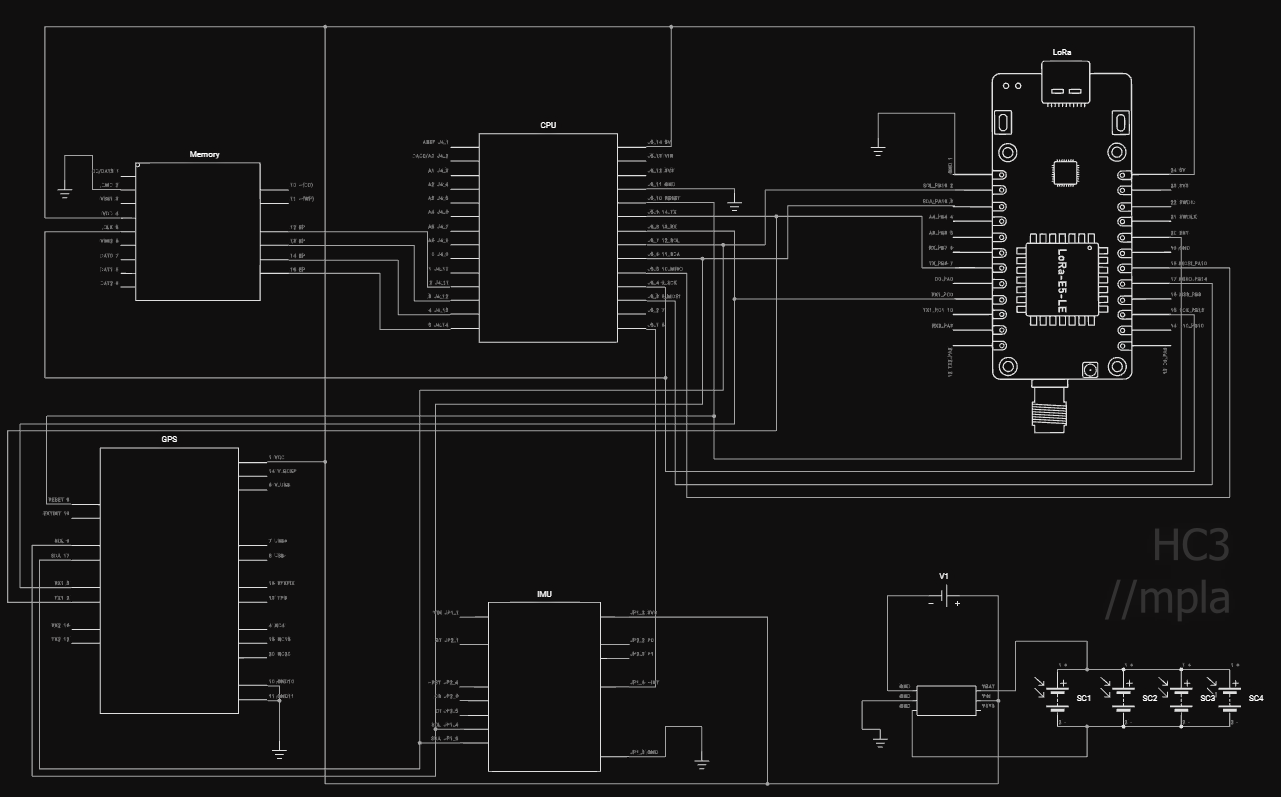
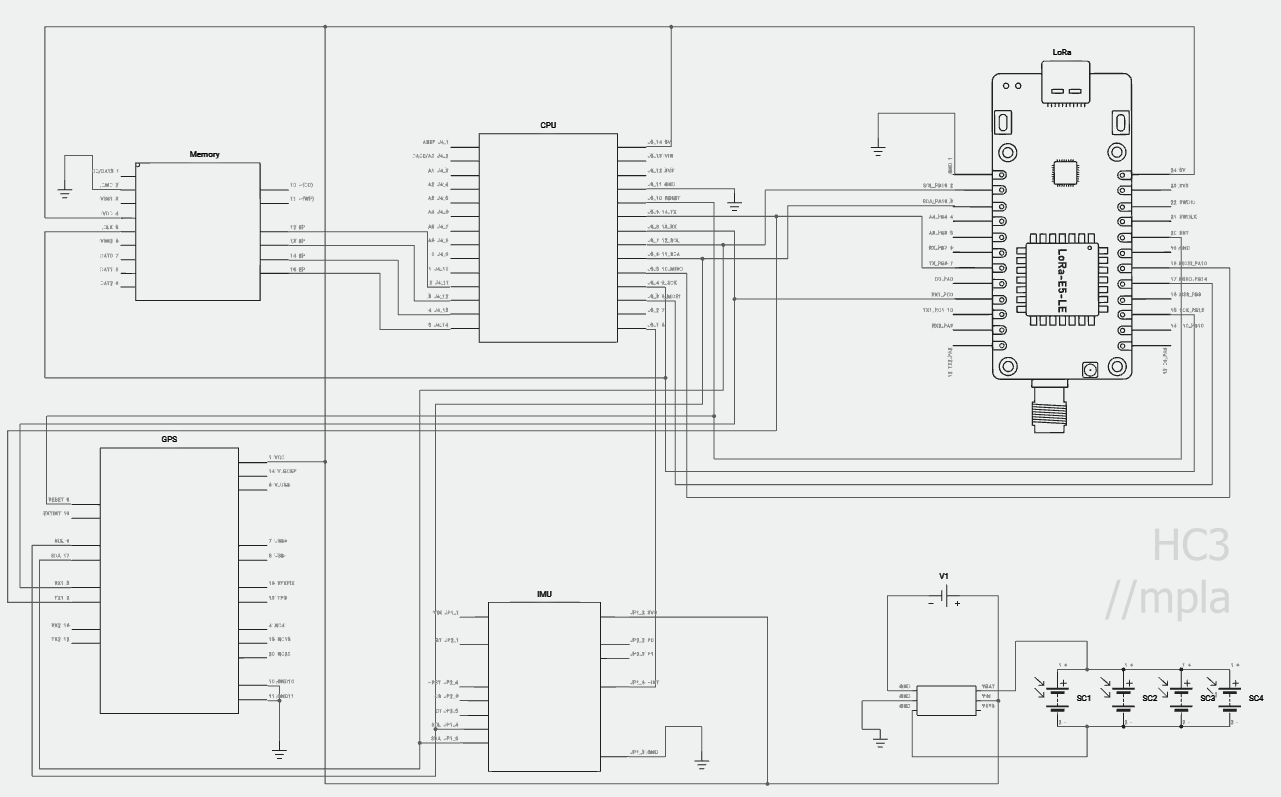
- Battery Storage: HC3 is powered by a 3.7V 2500mAh Lithium-Ion Polymer Battery, selected for its capacity-to-weight ratio and rechargeability.
- Solar Energy: The Solar Lipo Charger ensures continuous power supply, utilizing solar panels that capture and convert sunlight for battery recharge. This dual power source system minimizes reliance on ground-based interventions, maximizing HC3's autonomy.
- Energy Management: Efficient power distribution is managed by a microcontroller that monitors power levels, ensuring optimal energy allocation between systems.
EXPANDED TECHNICAL DETAILS: Power Distribution
When a project graduates from a breadboard to a permanent installation, the wiring becomes a chaotic nightmare. The HC3 CubeSat's power system is engineered as a master "Brain Board" for highly organized, fused power distribution. The ultimate enemy of reliable operation is electrical noise and current spikes.
- The Dual Rail System: The power architecture separates the Logic Power (5V/3.3V for the Arduino/Sensors) entirely from the Brawn Power (12V/24V for motors and actuators).
- Voltage Regulation: A heavy-duty LM2596 Buck Converter isolates the sensitive microcontroller and sensors from the massive voltage drops caused when high-current loads, like the N20 motor for attitude control, are activated simultaneously.
- Protection: Every high-power output channel is protected by its own physical Automotive Blade Fuse. If a motor stalls and draws excessive current, the fuse cleanly blows before the motherboard is damaged.
5. Communication System
- LoRa Radio: The CubeSat employs a FireBeetle LoRa Radio 433MHz module for data transmission. This module is well-suited for long-range communication, capable of transmitting data over significant distances despite the CubeSat’s small size.
- Transmission Protocol: LoRa modulation allows for efficient use of power and bandwidth, essential for small satellite applications where power is limited.
6. Control System and Propulsion
- Ground Control Interface: Communication with the ground station will occur at scheduled intervals to upload data packets, with redundancy protocols in place for failed transmissions.
- Attitude Control: An N20 Worm Gear Motor is used for precise control of the CubeSat's orientation. This motor enables rotation on a fixed axis, facilitating adjustments for optimal solar panel exposure or data collection alignment.
- Stability: With the worm gear motor, the CubeSat can maintain a stable orientation during its orbit. This setup is efficient for small adjustments, which are essential in optimizing data acquisition.
EXPANDED TECHNICAL DETAILS: MOSFET Array Execution
The system uses solid-state power switching for precise control.
- Instead of using slow, clicking mechanical relays, the design incorporates a bank of IRLZ44N Logic Level MOSFETs.
- The Arduino commands its outputs into the gate array of these MOSFETs.
- Because MOSFETs switch seamlessly, the system can perform PWM (Pulse Width Modulation) for tasks like fine-tuning the speed of the attitude control motor or dimming auxiliary LEDs, all while handling heavy currents.
- Heavy aluminum Heatsinks are attached to the MOSFETs; switching high currents generates significant thermal energy that must be dissipated.
7. Sensors and Data Collection
- Sensor Array: Equipped with an Arduino Nicla Sense ME module, HC3 can measure environmental parameters such as temperature, pressure, and humidity.
- Data Management: The data gathered by the sensors will be processed, stored, and transmitted to the ground station through the LoRa radio link. Collected data helps assess atmospheric conditions and can assist in validating CubeSat resilience in various operational scenarios.
- Sensor Calibration: Periodic recalibration of the sensors is managed by on-board software to ensure data accuracy over the mission duration.
8. Processing Unit
- Processor and Data Handling: The main processing unit integrates an advanced microcontroller system that coordinates all CubeSat operations. It manages data collection, processing, and transmission, in addition to performing power distribution control.
- Error Management: An error-correction protocol is embedded within the processor to handle data transmission interruptions and maintain system stability.
9. Conclusion
The HC3 CubeSat is engineered to meet the challenges of an LEO mission, with a versatile framework and autonomous systems designed for long-term data collection and transmission. The mission provides a practical approach to small satellite applications, utilizing durable composite materials, efficient energy management, and resilient communication protocols. Future developments will explore the application of HC3 technologies in higher orbits and larger satellite platforms.
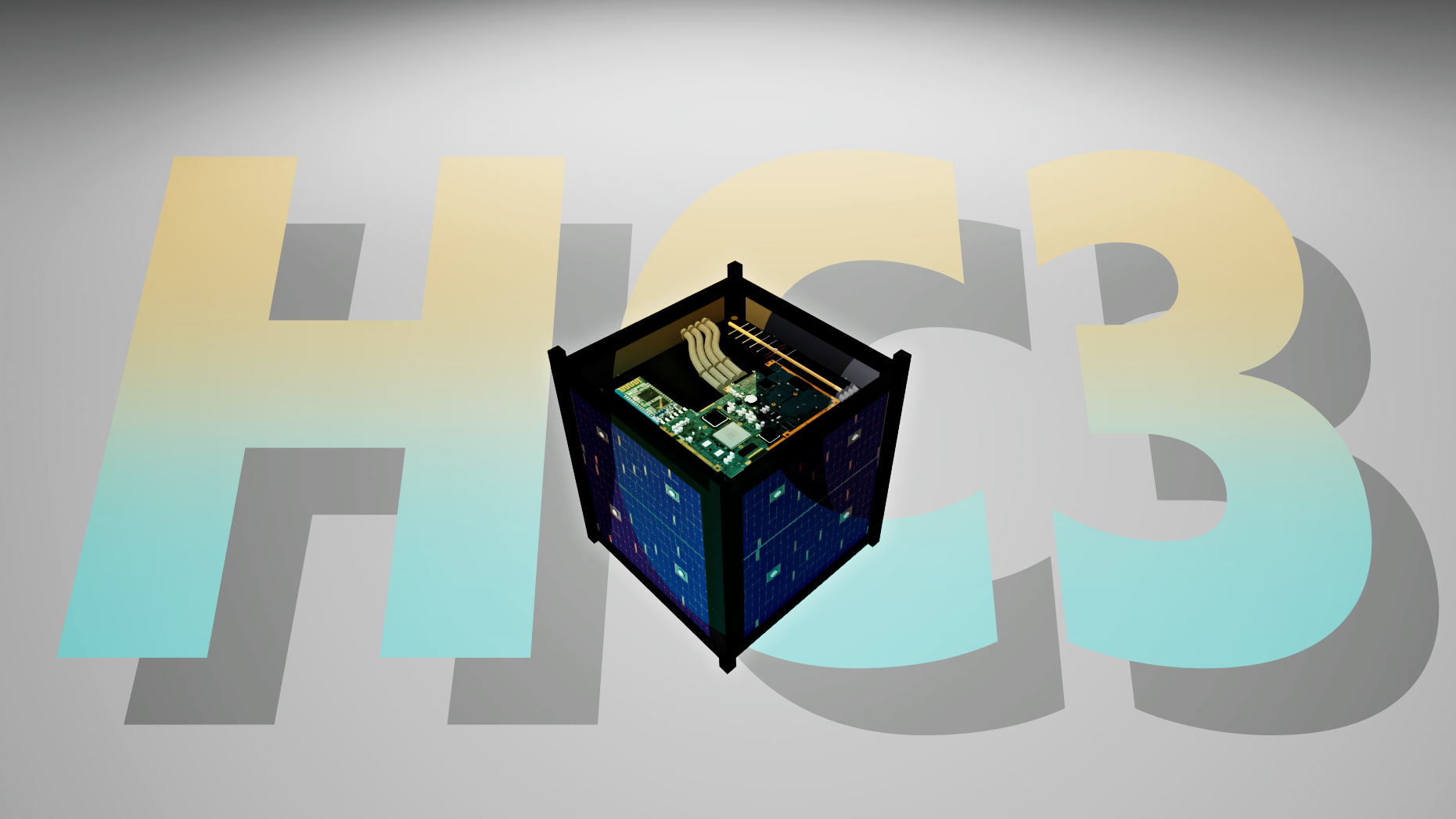
HC3 Mission Objectives: Data Collection and Technology Demonstration for Space Applications
Abstract
The HC3 CubeSat mission is an innovative project aiming to advance data collection methodologies and validate emerging technologies in a low Earth orbit (LEO) environment. Designed to perform environmental monitoring and test cutting-edge sensors, energy management, and communication systems, the HC3 mission aims to enhance CubeSat capabilities for data-driven applications. This paper outlines the scientific objectives, target experiments, and technological integrations central to the HC3 mission.
1. Introduction
With CubeSat missions expanding in scope, there is a growing interest in using these small-scale satellites for robust data collection and technology testing in space. The HC3 CubeSat mission, developed using state-of-the-art materials and modular design, provides a versatile platform for experiments aimed at advancing our understanding of environmental data collection in LEO and for validating new hardware innovations.
2. Scientific Objectives
The HC3 mission is primarily geared towards collecting atmospheric and magnetic field data, with additional objectives involving the testing of new energy-efficient systems and robust data communication technologies. Key scientific objectives include:
- Atmospheric Data Collection: Monitoring and analyzing variations in atmospheric density and composition to support climate studies and improve orbital modeling.
- Geomagnetic Field Measurement: Providing high-resolution measurements of geomagnetic fluctuations that are essential for studying space weather impacts on satellite technology.
- Solar Energy Management Assessment: Testing and optimizing energy collection and storage techniques to sustain CubeSat missions with improved efficiency in power usage.
3. Technology Demonstration
The HC3 CubeSat serves as a testbed for novel hardware systems, evaluating their performance in real-time space conditions. Primary technology demonstration goals include:
- Low-Power Sensor Evaluation: The satellite is equipped with advanced low-power sensors that monitor temperature, pressure, and magnetic field intensities. These sensors are designed for minimal energy consumption while providing high-precision data, and their resilience in LEO will be assessed.
- LoRa Communication Protocol Testing: A LoRa-based communication module is installed to evaluate the feasibility of low-power, long-range communication in LEO. This test will assess the protocol's reliability and efficiency for data transmission in various environmental conditions.
- Energy Storage and Distribution: HC3 integrates a solar power system with lithium-ion batteries to test adaptive energy storage and management under fluctuating power demands, aiming to optimize long-term CubeSat operability.
4. Experimental Setup and Data Collection
- Sensors and Instrumentation: The CubeSat is equipped with multiple sensors, including barometric, magnetic, and thermal sensors, which will collect data at specified intervals throughout the mission. These sensors allow for detailed monitoring of environmental conditions affecting the satellite.
- Data Logging and Transmission: Data collected by the sensors will be periodically logged and transmitted back to Earth using the LoRa communication module. The data will provide insights into atmospheric and magnetic properties in LEO, supporting broader scientific research on space weather and climate phenomena.
- Processing and Analysis: A microprocessor within the CubeSat is programmed to process raw data from sensors, filtering noise and optimizing data accuracy. This approach will enable the satellite to transmit reliable, compressed data, maximizing data retention despite bandwidth limitations.
5. Mission Validation and Expected Outcomes
- Validation of Data Collection Accuracy: Data from HC3’s sensors will be compared with ground-based readings and existing satellite data to confirm the accuracy and reliability of measurements.
- Technology Endurance: The mission is designed to verify the long-term functionality of new technologies in space. Any detected anomalies or malfunctions in sensor performance, data transmission, or power management will contribute valuable insights for future satellite design.
- Operational Feasibility of LoRa in LEO: The mission will assess the LoRa protocol's capacity to support consistent communication and reliable data relay over extended periods in a satellite’s operational environment.
6. Conclusion
The HC3 CubeSat mission holds significant promise for advancing the field of small satellite data collection and technology testing. By focusing on environmental monitoring and validating new energy-efficient, low-power systems, HC3 contributes to enhancing CubeSat resilience and functionality in LEO. The mission's results are expected to support the development of next-generation CubeSats, equipped with robust, low-energy sensors and reliable communication systems, enabling expanded scientific exploration and technological innovation.
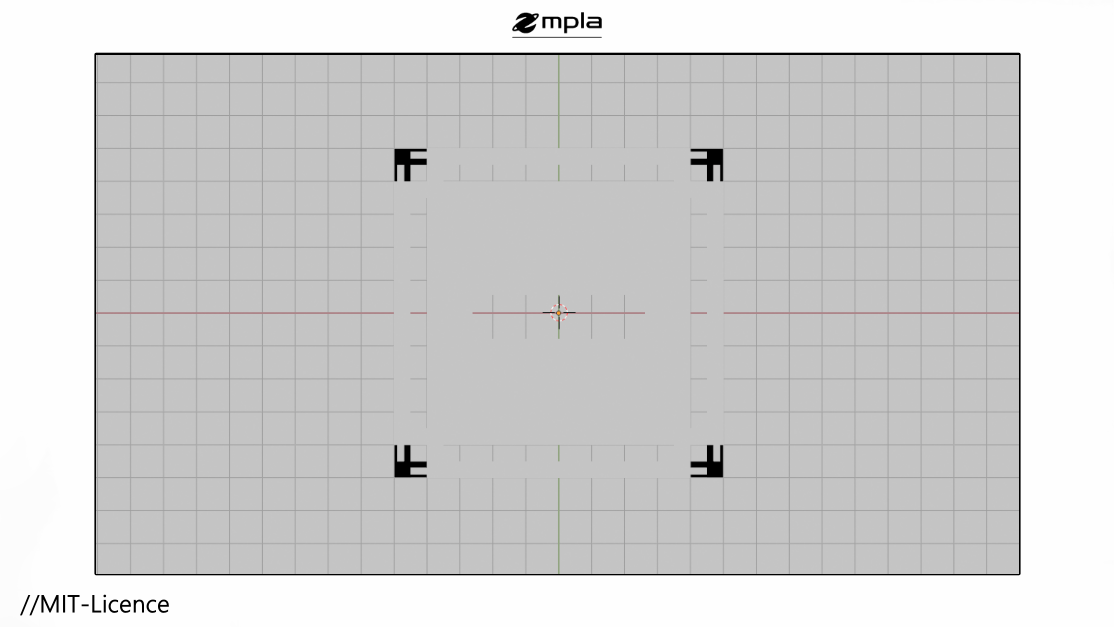
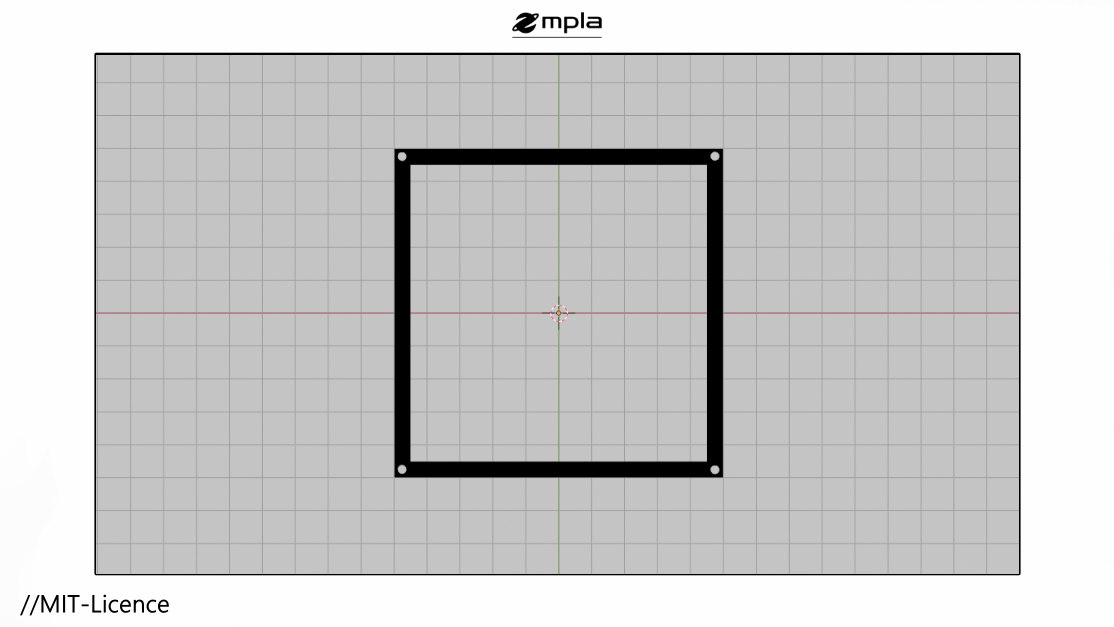
System Infrastructure
The HC3 CubeSat's hardware platform integrates several key components:
- Arduino Mega or ESP32: Acting as the removable, programmable brain for command and data handling.
- Custom PCB (Printed Circuit Board) or a large soldered perfboard for hosting the power distribution and switching electronics.
- MOSFET Array (IRLZ44N or similar High-Power switches) + Thermal paste and heatsinks for robust power control.
- Thick Screw Terminals: To safely accept the high-gauge wires from the solar panels and battery.
- LM2596 Buck Converters, Optocouplers (PC817) to provide electrical isolation between logic and power circuits, and In-line Fuses for system protection.
The MakerWorld files : https://makerworld.com/en/models/911790#profileId-872850
The GitHub files : https://github.com/petros-mpla
Profile on X : https://x.com/petros_mpla
DF robot files : https://community.dfrobot.com/makelog-314969.html