Biophilic Design: The Breathing Interior Molecule
In many modern homes, air quality is a "Hidden Variable"—we often don't realize when CO2 is too high or humidity is dangerously low until we feel sluggish or notice mold. The Humidity Measuring Molecule transforms these abstract data points into a living, organic art piece. Developed as part of a Bachelor Thesis in Design at Munich University of Applied Sciences (in collaboration with Tado°), this project uses a biologically-inspired structure to "Breathe" light colors that reflect the health of your environment.
Chromatic Feedback for Wellness
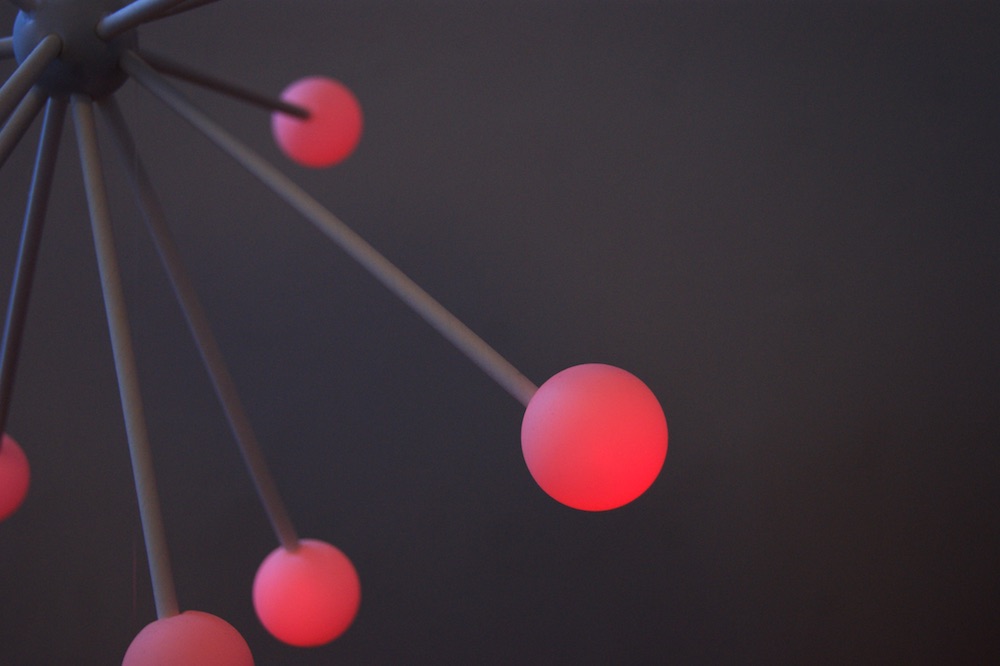
The device uses a intuitive color language to represent air health:
- Deep Blue: Optimal humidity and fresh temperature.
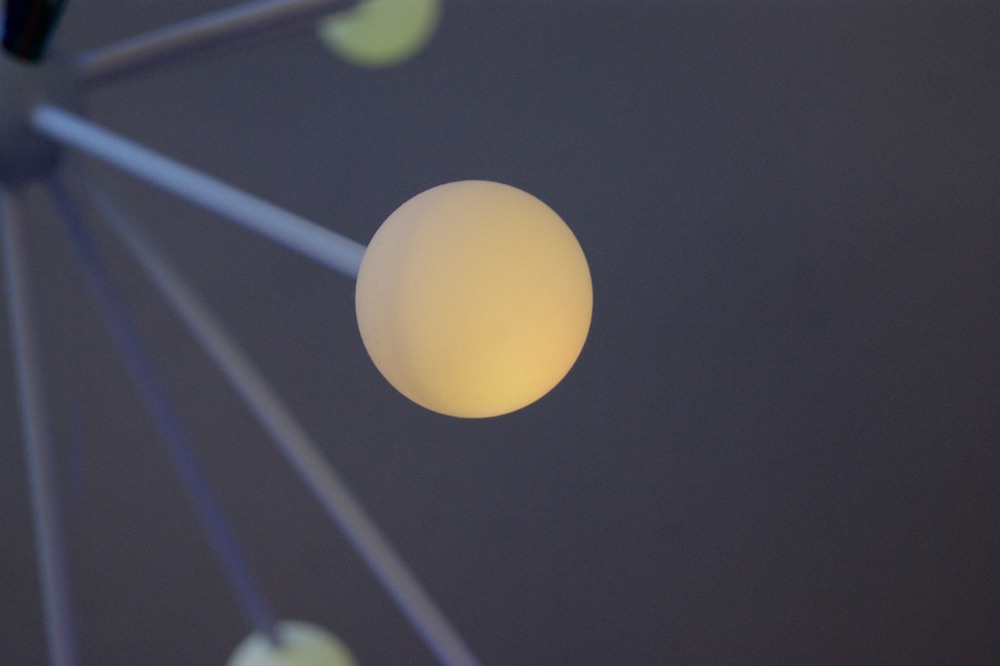
- Amber/Yellow: Initial signs of stale air or rising humidity.
- Vibrant Red: Dangerous levels of humidity (mold risk) or excessive heat. This visual "Reminder" prompts the user to open a window or adjust their HVAC settings, fostering a healthier connection between inhabitants and their living spaces.
Hardware Complexity and High-Current Driving
To create a large-scale artistic object with 12 RGB LEDs, the project requires sophisticated power management:
- Transistor Grouping: Driving 12 RGB LEDs (3 channels each) directly from the Arduino would exceed the chip's current limits. The project utilizes 9 NPN Transistors to act as "Current Couplers," allowing the Arduino Mega to control large groups of LEDs simultaneously without risking the processor.
- DHT22 Precision: Unlike the cheaper DHT11, this project uses the DHT22 sensor, which offers higher accuracy and a wider range for humidity (0-100%) and temperature, essential for a thesis-level project.
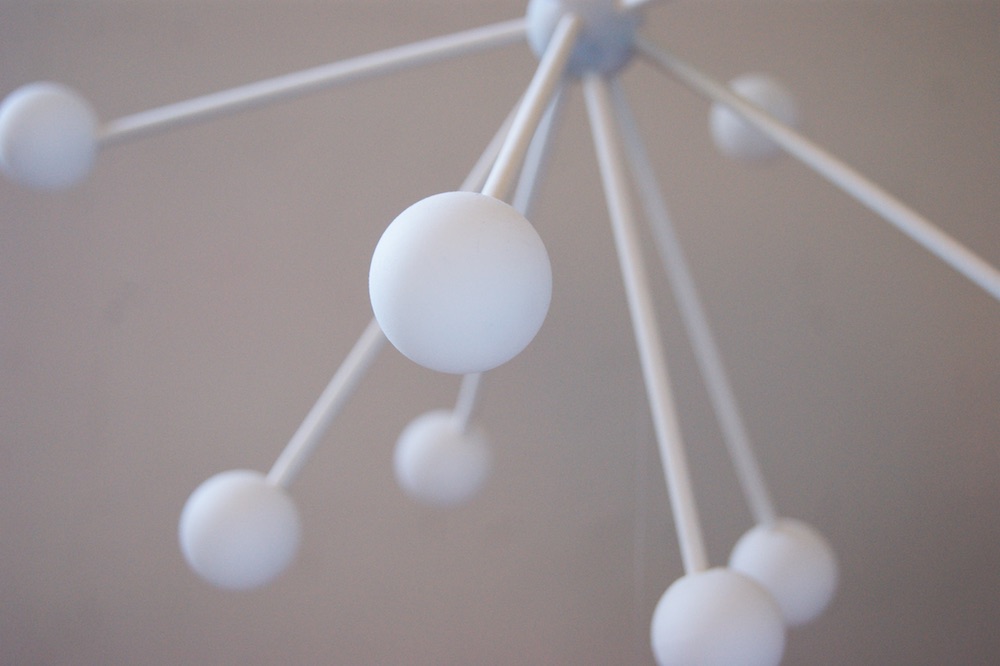
- Diffused Optics: The "Balls" of the molecule are actually Ping Pong balls. These act as cost-effective, perfectly spherical diffusers, turning the sharp point-source of an LED into a soft, glowing orb that resembles a biological cell.
Sustainable Fabrication
The physical structure is a masterpiece of "Found Material" engineering:
- Paper Straw Framework: The limbs of the molecule are constructed from high-strength paper straws, which are lightweight and hollow, perfectly hiding the internal wiring.
- Modular Construction: The LEDs are individually soldered to wire pigtails before being threaded through the straws, allowing for easy repair and modification.
- Power Portability: The entire system is housed in a sleek wooden base and can be powered by a standard USB Power Bank, making it a portable sculpture that can be placed in bedrooms, living rooms, or offices.
This project is a perfect example of UX Design meeting Internet of Things (IoT), proving that data collection doesn't have to be clinical—it can be beautiful.
This object measures humidity and temperature to help you avoid unhealthy air quality and problems like very humid or dry air and mold growth.
The object changes its color accordingly: from blue for good air quality to yellow, orange, and red for poor air quality.
This is a fun and easy project to build. It helps remind you to open your windows regularly and makes your home a healthier place. You can also add more sensors to measure dust, CO2, and other things.
The project emerged from my bachelor thesis project in design at Munich University of Applied Sciences. It was created in collaboration with Tado°.
You can check out the entire project here.
Abitaboutmyprocess:
I used paper straws and ping pong balls to build the object. The ping pong balls create nice and dim colors.
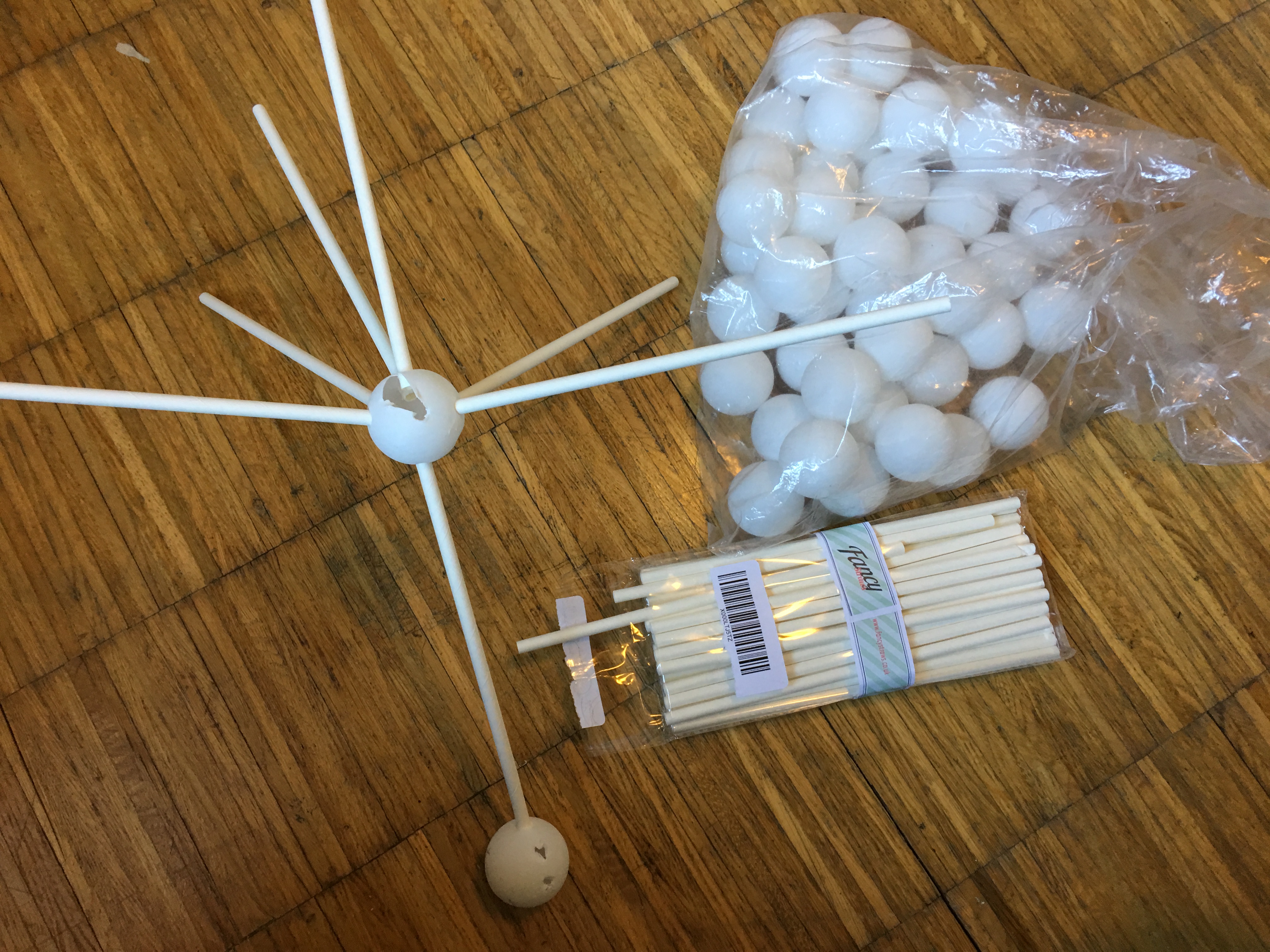
Sodering RGBs LEDs to the cable pieces so they will fit into the straws.
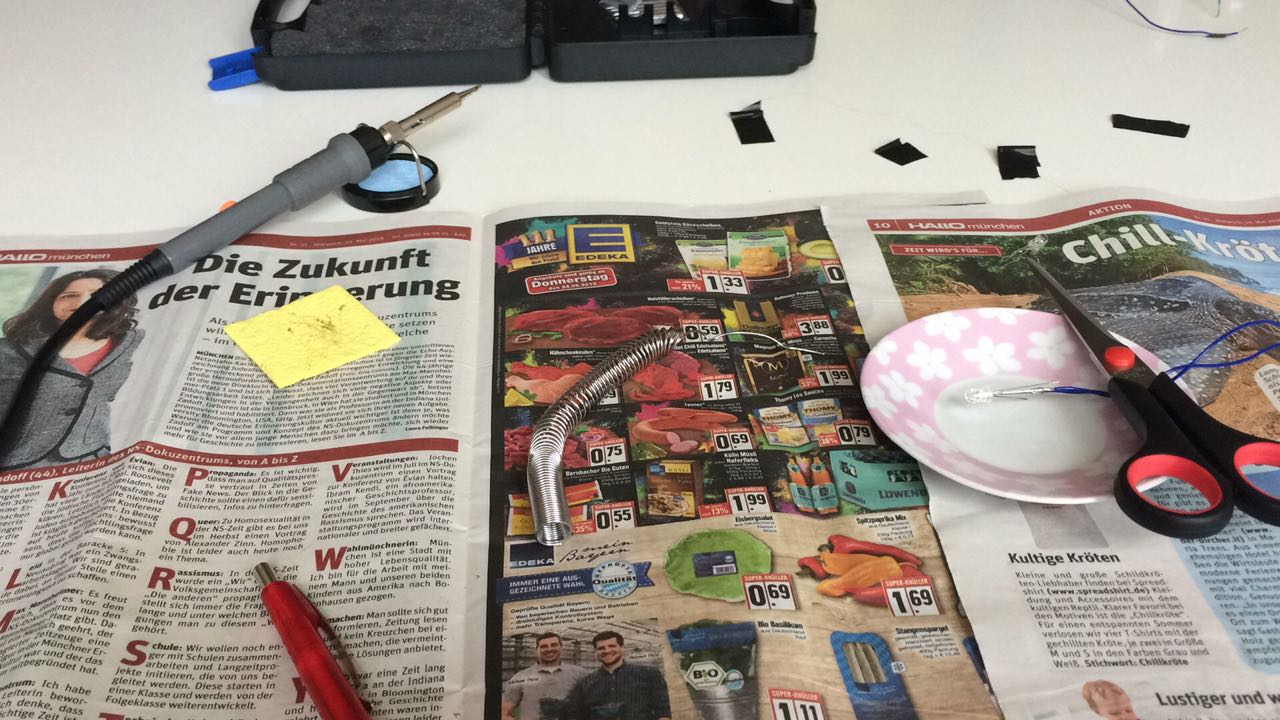
I decided not to control every LED individually but in groups of four to create a easier set up. This means four LEDs are connected to one pin. You can learn how to do this here.
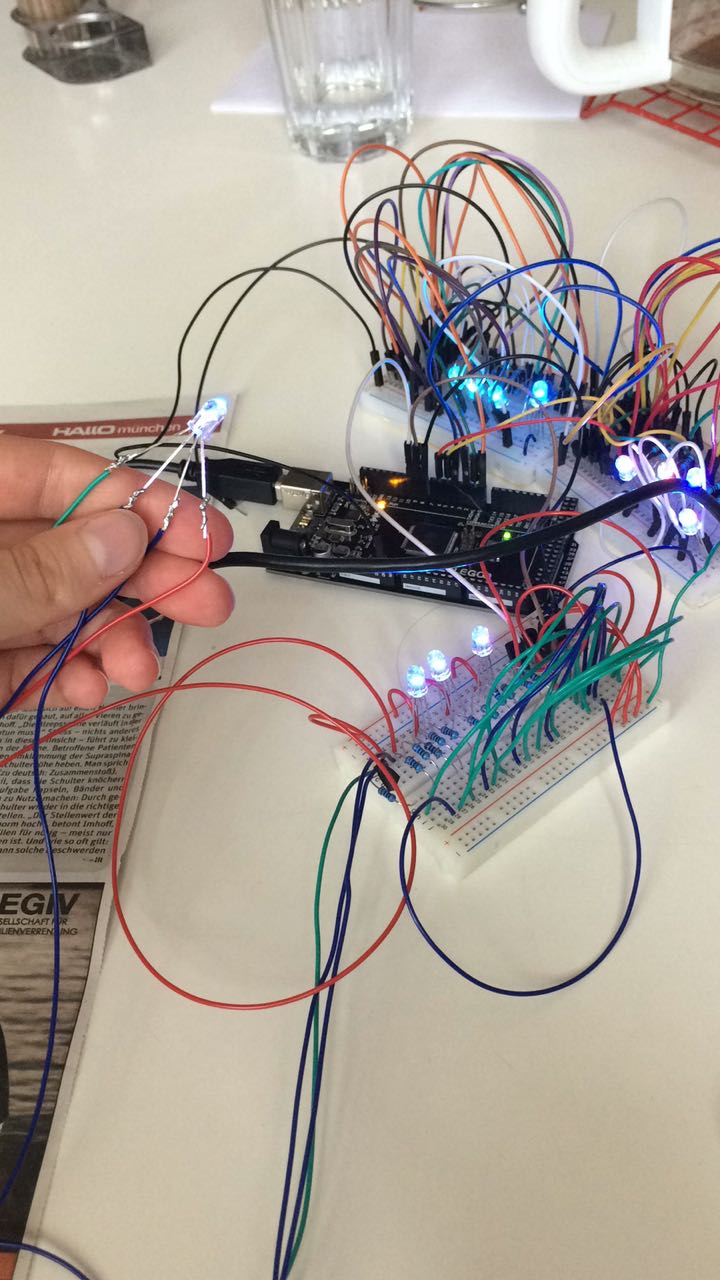
Putting it all together...
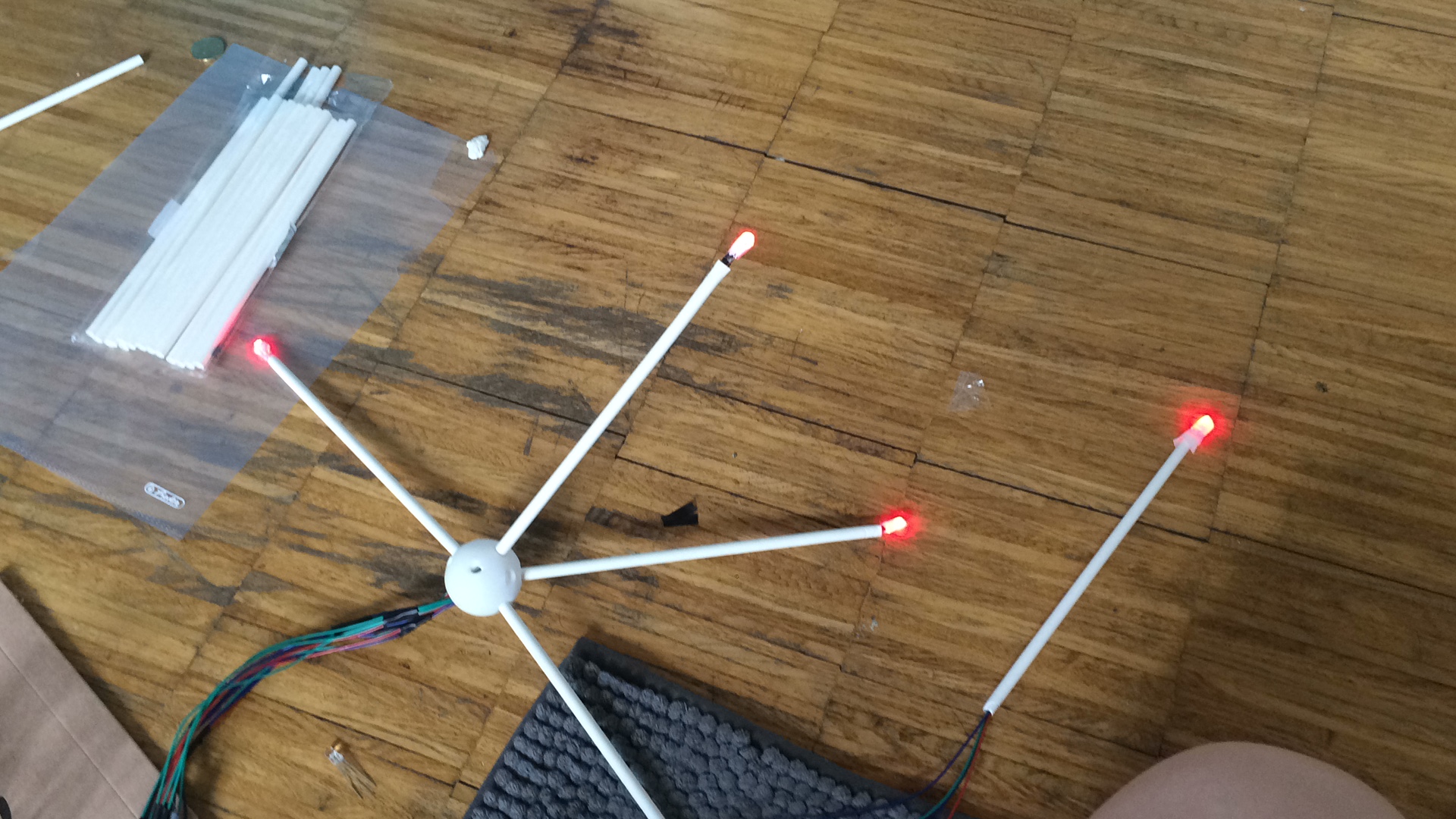
Adding the ping pong balls at the end.
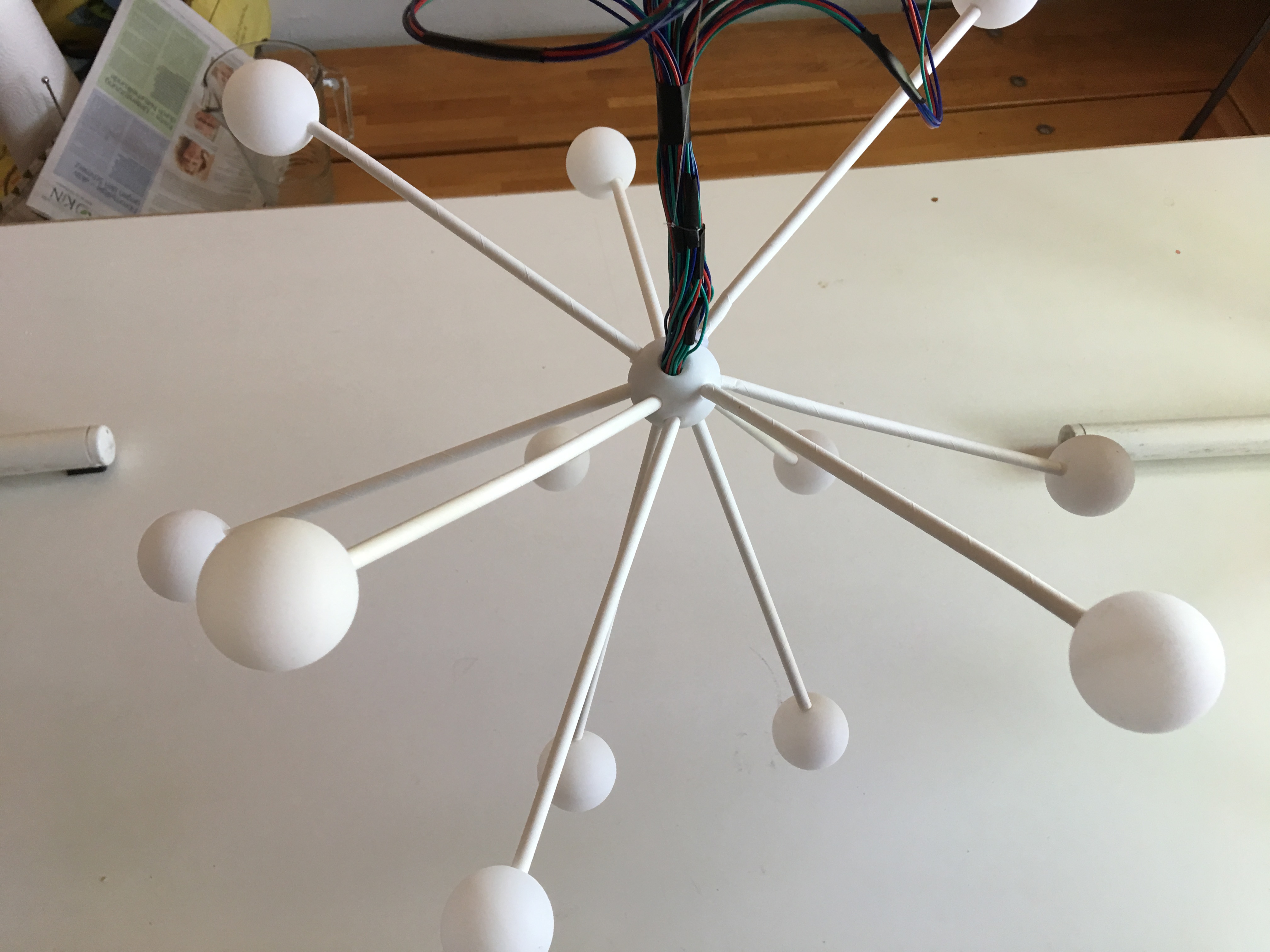
The result:
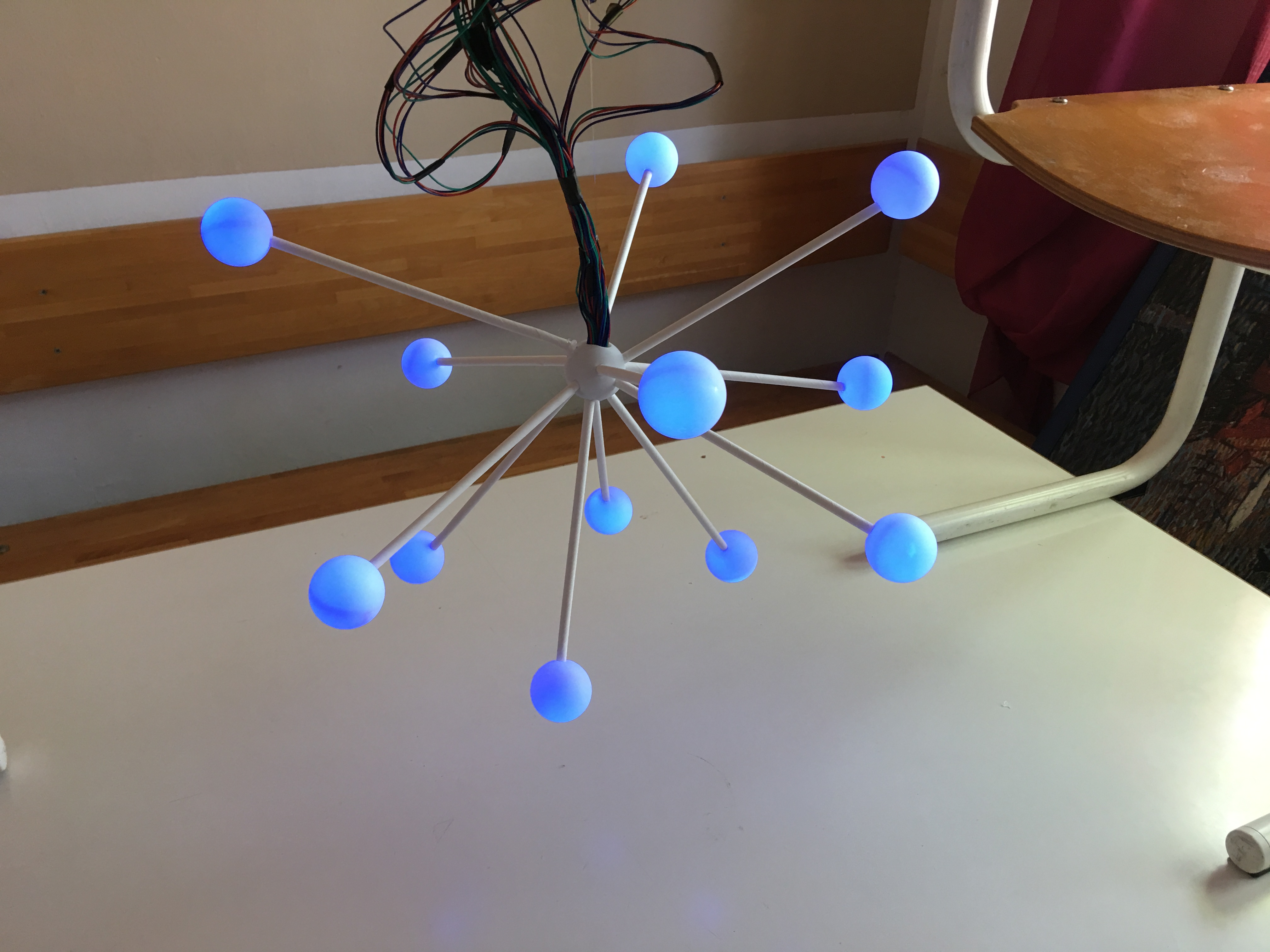
I used a wooden box to store the boards and a simple power bank. By breathing on the sensor I could test how it works.
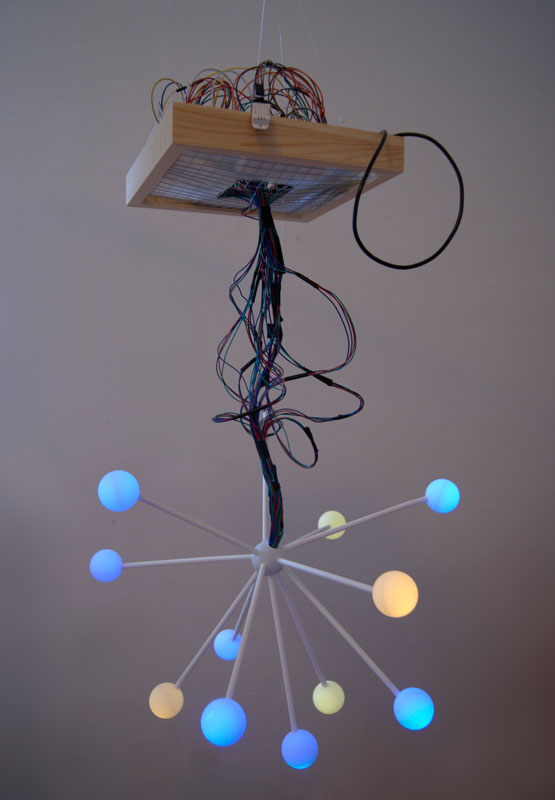
UX Design bachelor thesis by Katja Niggl.
Thanks for reading and let me know what you think. :-)