Yes, there are ready-made solutions available on the market for smart homes, that allow people to automate switches in an easy and aesthetical way, such as Sonoff and Shelly (to mention the main firms).
But, here comes the fun:
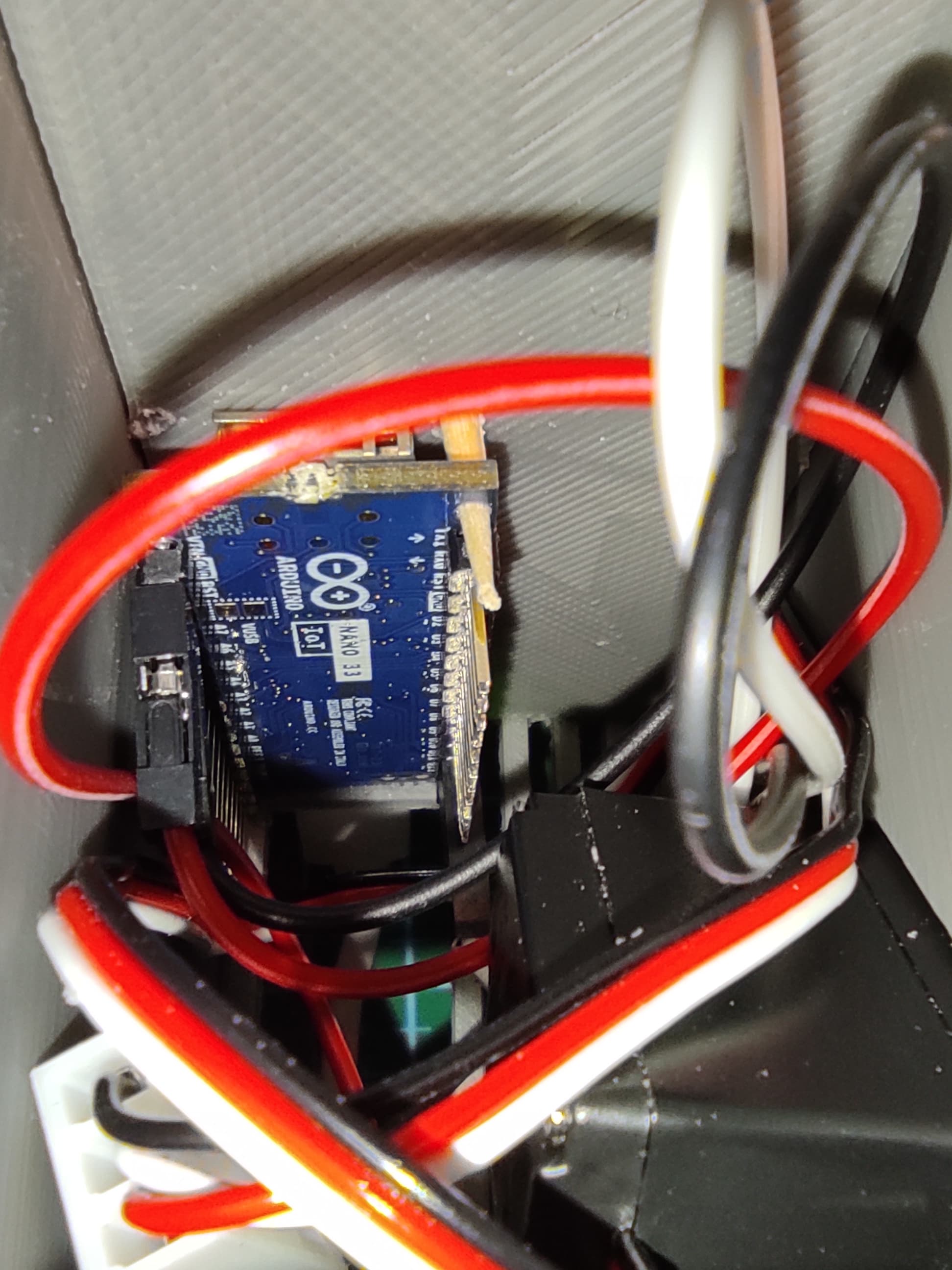
I wanted to practice and use arduino nano 33 IoT and a 3d printer and I couldn't wait to make them work together in a fun project.
And the best way to do that, was to combine some of my skills to create an educational project that contains 4 major challenges:
Conceptualizing and drafting the solution with all boundary conditions;
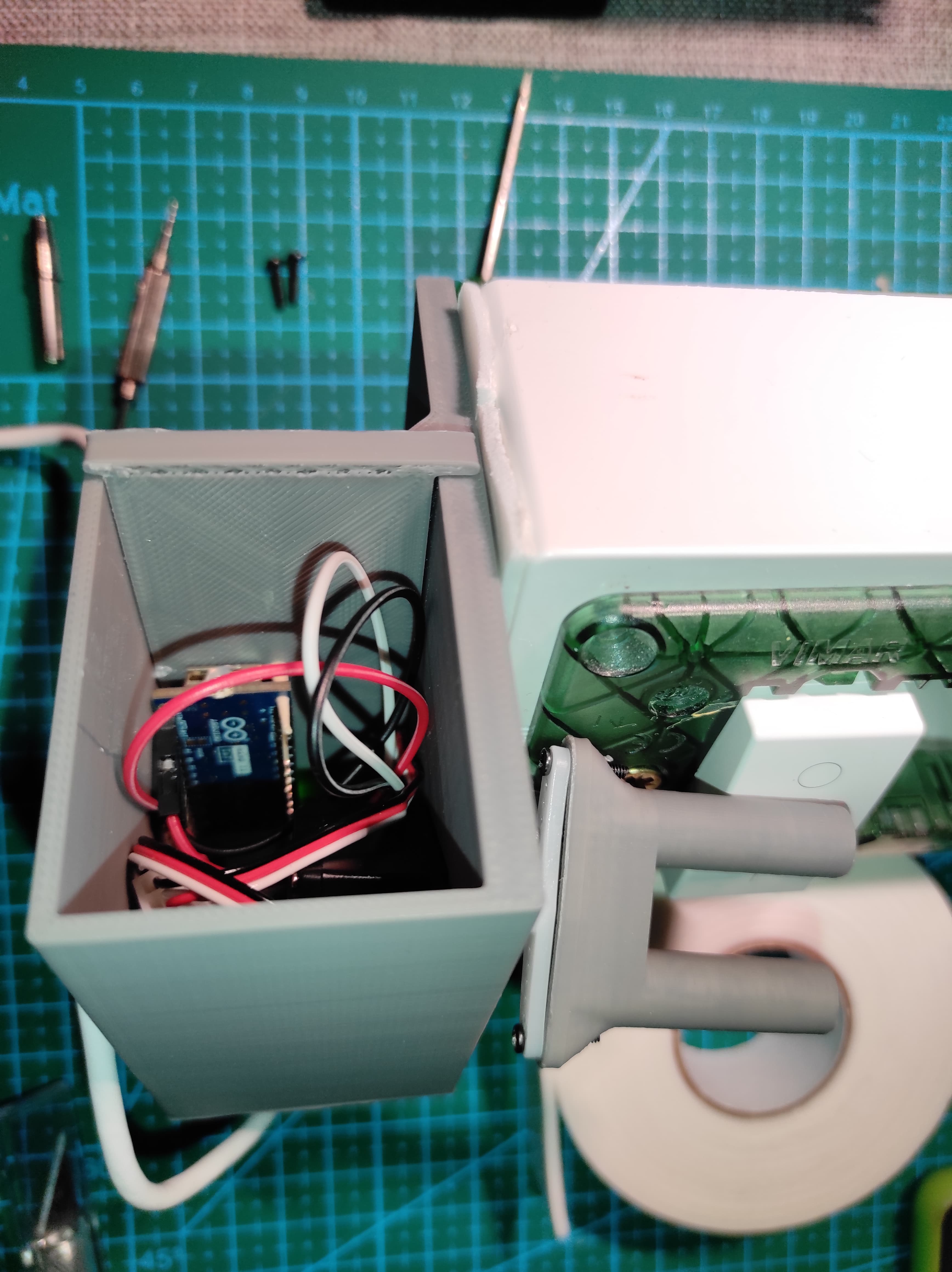
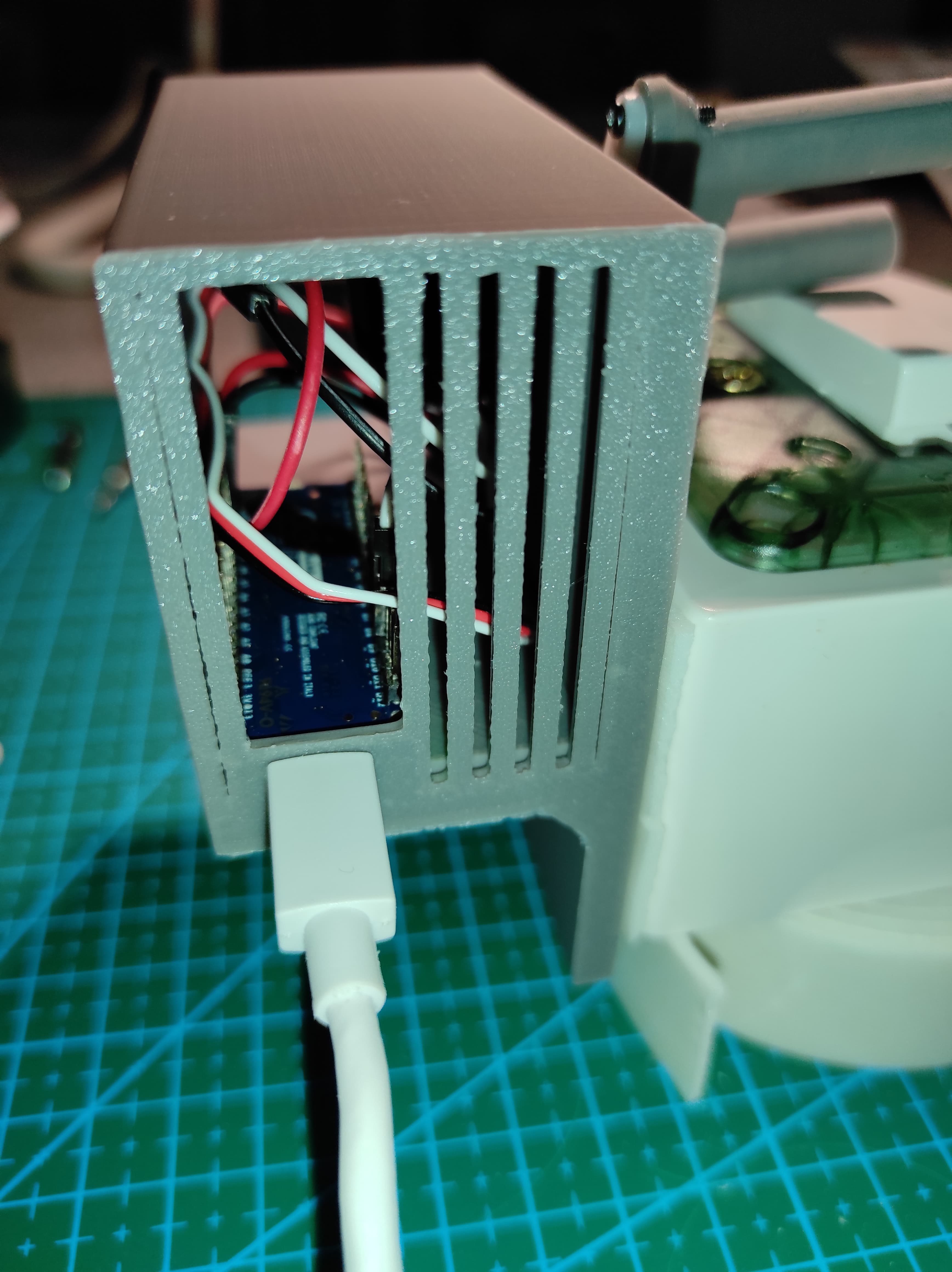
Write the code in C++ and discover the beautiful world of Arduino hardware and software;
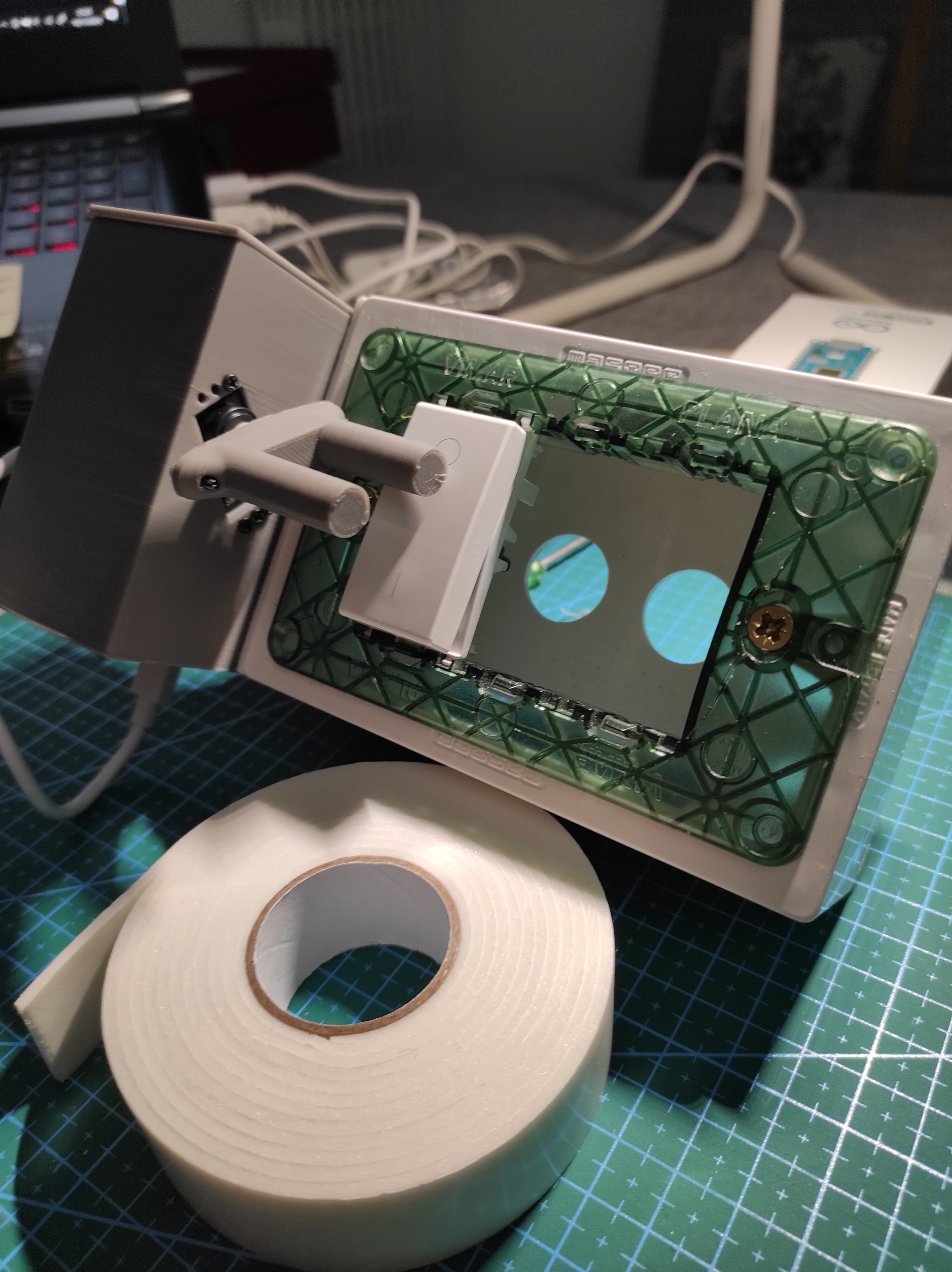
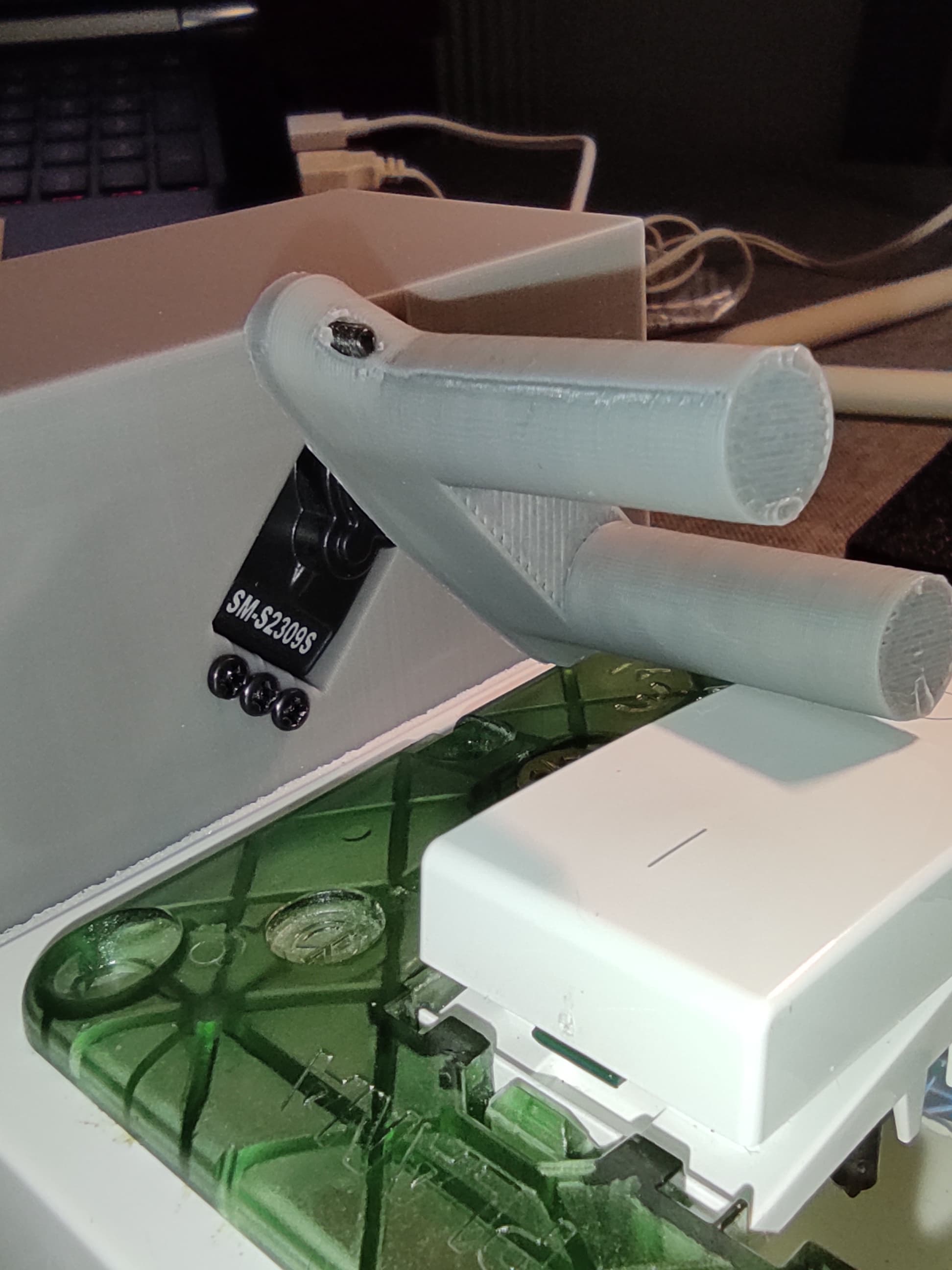
Design, dimensioning and prototyping of the shell and the mechanism that pushes the button, and relative slicing and 3d printing;
Adapt a solution that is not natively made for using servo motors, rather adapting a dimmerable light sketch to allow Google home to move the servo motor of the solution.
Result: something cool and fun. Will I really use it in real life? No, we've already installed a Sonoff to automate the heating system, but still, it's something cool and worthy of being published.
Project Overview
"Retro-Link" addresses a fundamental challenge in home automation: Non-Invasive Actuation. Rather than rewiring high-voltage electrical boilers or switches—which often voids warranties and requires certified electricians—this project utilizes a mechatronic bridge. By combining parametric 3D design with the Arduino Nano 33 IoT, Retro-Link mechanically toggles physical switches through an external servo-driven arm, effectively merging legacy hardware with modern cloud-based automation.
Objecive of this project, is creating a Mechanical element, that can interact with a switch. The switch, is connected to an electrical boiler that is used to heat the water used for taking shower. The idea starts from the need of saving up energy for hot water, while making it possible to have hot water ready on request. Then, I decided to make it possible to let Google Home or Alexa communicate with it. To do so, I had to use a workaround in setting up the thing on Arduino IOT, cause there is no ready-made solution to connect a Servo Motor. The closest device possible that "thinks" in percentage or degrees was a dimmerable light. That's why I decided to set the code as I was talking to a dimmerable light, then converting percentage to rotational degrees.
Technical Deep-Dive
- Kinematic Torque Forensics:
- The Latching Force Challenge: Standard industrial switches (like those used for boilers) require significant force to overcome their internal spring-latch mechanism. This project utilizes an SM-S2309S servo, providing the necessary torque via a custom-printed lever arm that maximizes mechanical advantage.
- Parametric Design (Rhino Grasshopper): The housing and actuator were designed using parametric forensics to ensure a precise fit over the switch plate, aligning the servo's rotational axis with the switch's pivot point for zero-friction operation.
- Cross-Domain Cloud Mapping:
- The Dimmer Bridge Workaround: Within the Arduino IoT Cloud ecosystem, specialized servo widgets are often limited. Retro-Link employs a clever Logical Bridge, utilizing a "Dimmable Light" variable (0-100%).
- Percentage-to-Angle Translation: The firmware intercepts the 0-100% cloud command and maps it to the servo's physical angular range (e.g., 20° for OFF, 160° for ON). This allows for seamless integration with Voice Assistants (Google Home/Alexa) using native "Set Light level" commands to drive mechanical actuation.
- WiFi & Cloud Security Forensics:
- MQTT-Based Messaging: The Nano 33 IoT communicates via encrypted MQTT packets to the Arduino Cloud. This ensures that the high-voltage boiler cannot be triggered by unauthorized network traffic, providing a secure, air-gapped mechatronic interface.
Engineering & Implementation
- 3D Printing Layer Forensics:
- To withstand the repeated mechanical stress of toggling a stiff switch, the PLA components were sliced with high infill density (40%+) and oriented for maximum tensile strength along the lever axis.
- Voice Assistant Integration:
- By exposing the Nano 33 IoT as a secondary smart device, Retro-Link allows for "Boiler Scheduling." Users can simply say, "Hey Google, turn on the hot water," and the cloud-to-local bridge triggers the physical servo motion, enabling energy-efficient water heating on request.
- Non-Invasive Mounting:
- The chassis is designed to be pressure-fitted or adhesive-mounted around the existing switch plate. This forensics allows the system to be removed without leaving permanent marks, making it ideal for rentals and legacy infrastructure.
Result: https://vm.tiktok.com/ZNeccmdwG/
Conclusion
Retro-Link is a testament to the utility of Mechatronic Retrofitting. By mastering Kinematic Lever Design and Cross-Domain Variable Forensics, developers can automate the "un-automatable," bringing intelligence to legacy systems through a robust blend of hardware and cloud engineering.