Marine Communication Redefined: Mobile Morse Signaling
Communication at sea is vital for safety, yet many amateur sailors lack the specialized equipment for long-distance optical signaling. This project bridges the gap by transforming a standard high-power boat searching light into an automated Morse Code signal device, controlled directly from your smartphone or computer.
High-Power Switching: The MOSFET Interface
Standard boat searchlights draw significant current, far beyond what an Arduino's digital pins can handle.
- N-Channel Power MOSFET: This project uses an N-Channel MOSFET as a high-speed electronic switch. By applying a tiny 5V signal from the Arduino to the Gate, the MOSFET allows large amounts of current to flow from the boat's battery to the 12V searchlight.
- Precision Pulse Modulation: Unlike a mechanical relay, a MOSFET can switch on and off thousands of times per second with zero wear, allowing for the crisp, rapid pulses required for high-speed Morse transmission.
Cross-Platform Terminal Control
One of the project's most innovative features is its flexible user interface.
- USB OTG Mobile Integration: By using a USB On-The-Go (OTG) cable, an Android smartphone can act as the main input terminal.
- Serial Communication Logic: Using the Serial USB Terminal app, the user simply types a text message on their phone. The Arduino receives this string over the USB serial link, parses it character-by-character, and translates it into Morse Code "dots" and "dashes."
- International Standards: The code implements the International Morse Code timings (e.g., a dash is three times the length of a dot), ensuring the signals are readable by other vessels or emergency responders.
Safety, Training, and Heritage
Beyond its practical use in emergency signaling, this project is a powerful educational tool for Radio Amateurs and maritime enthusiasts. It provides a tangible way to practice the International Code of Signals (ICS) while honoring the long history of optical telegraphy. Whether used for signaling distress or communicating with fellow sailors during a regatta, this project adds a critical layer of safety and capability to any vessel.
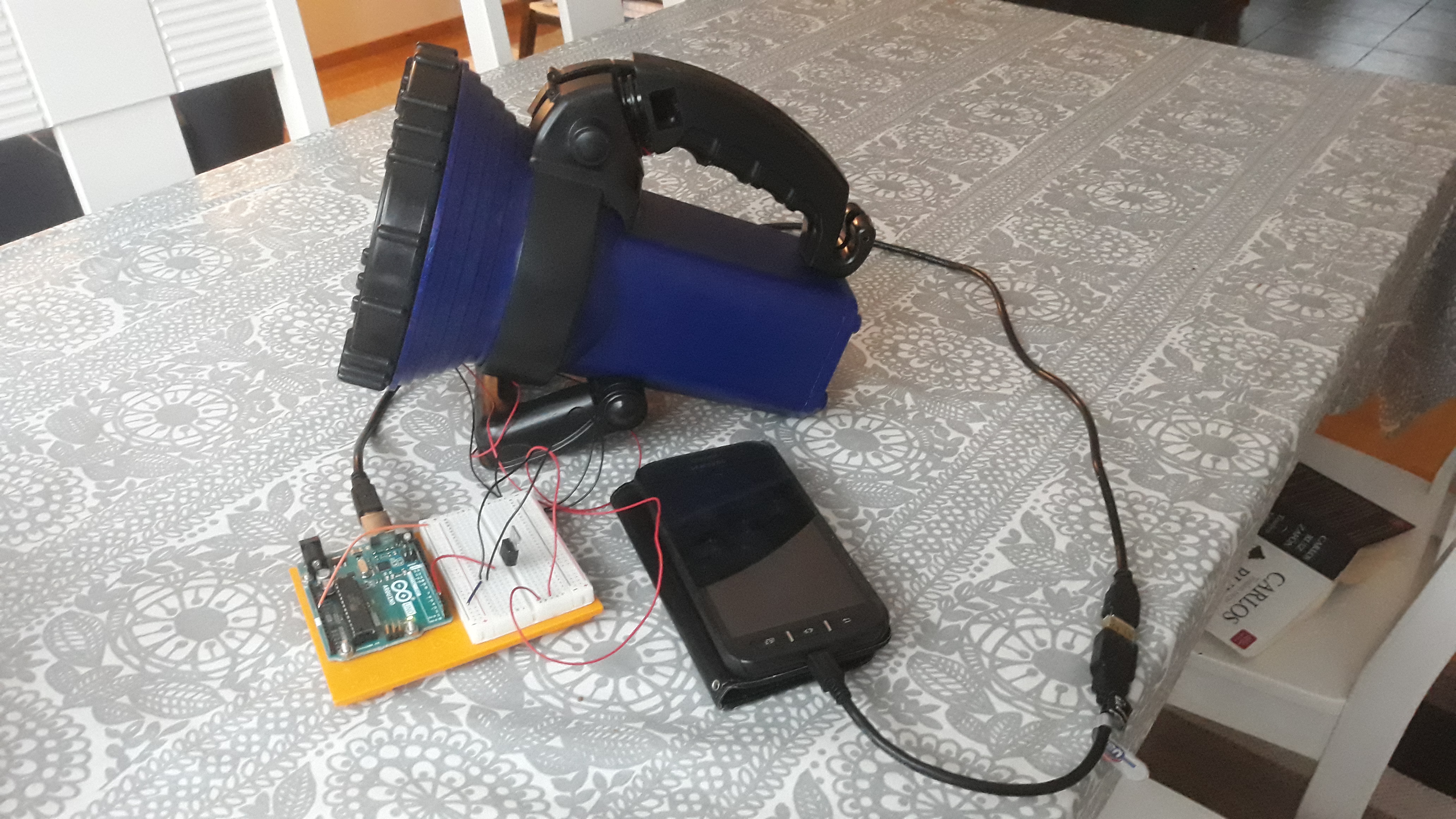
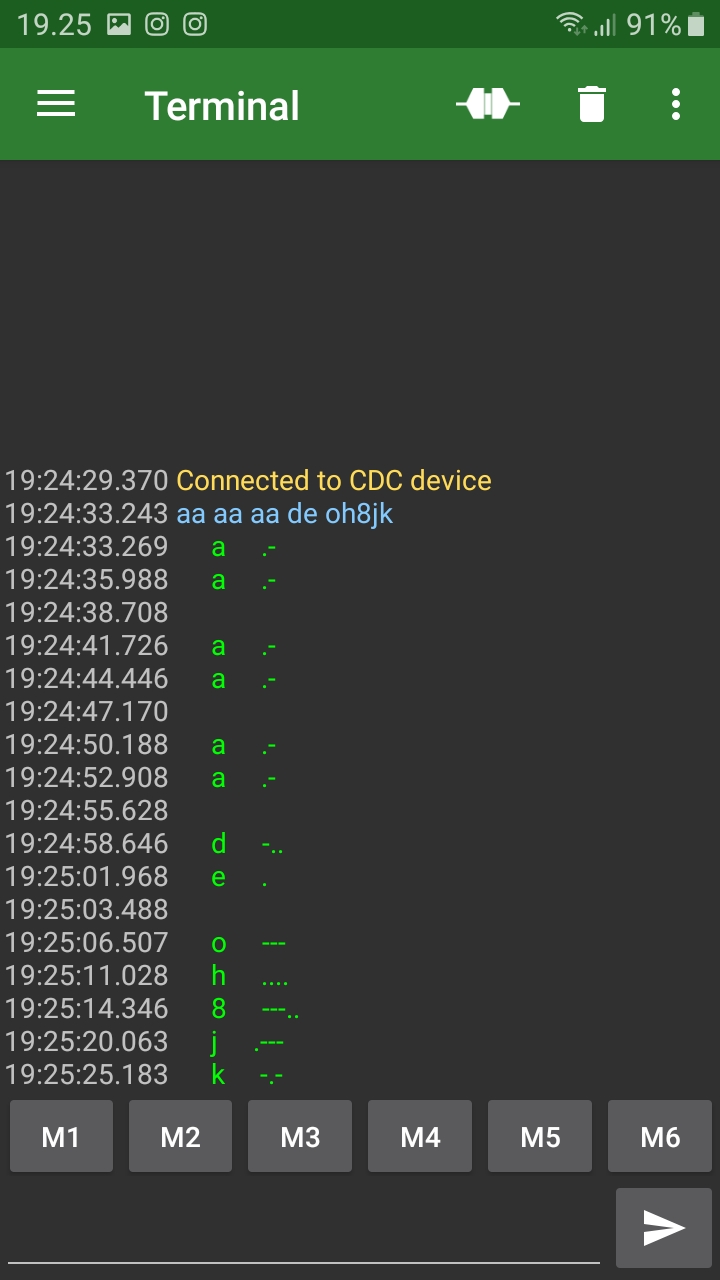
I didn't found a signalling light for my sailing boat so I decided to make it by myself. I know International Maritime Organisation's International Code of Signals (ICS) but I haven't had suitable light to practice for emergency situations. I am also radio amateur (OH8JK) and I found that this project may serve also learning the Morse code.