Green Thumb Tech: Automated Plant Watering
The Smart Plant Watering System is a life-saver for busy plant owners. It uses sensors to listen to your plant's needs and delivers the exact amount of water required to keep it healthy and thriving.
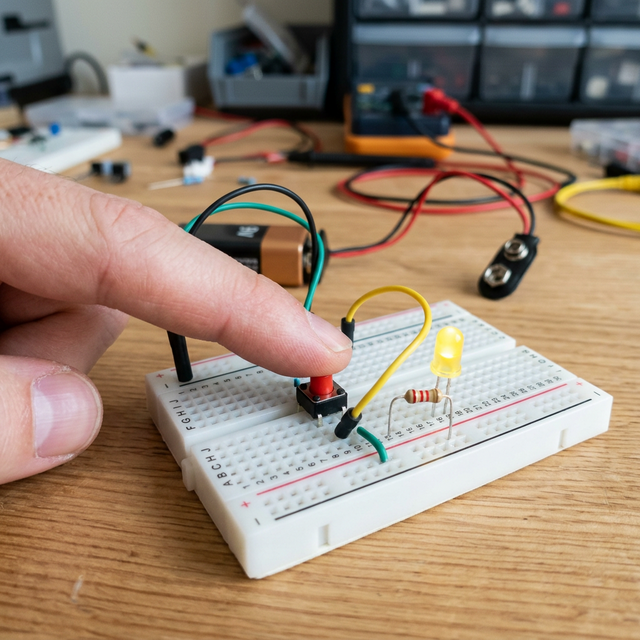
How It Works: The Feedback Loop
- Measurement: The Soil Moisture Sensor (probes) is inserted into the plant's soil. It measures the volumetric water content.
- Threshold: The Arduino checks the reading. If the soil is too dry (a low analog value), it knows the plant needs water.
- Pumping: The Arduino triggers a Miniature Water Pump using a transistor or a relay.
- Saturation: Once the sensor detects that the soil has reached the desired moisture level, the pump stops.
Key Hardware
- Arduino Uno/Nano: The logic brain.
- Capacitive Soil Moisture Sensor: More durable than resistive sensors as it doesn't corrode.
- Mini 5V/12V Water Pump: To deliver the water.
- Relay or MOSFET: To control the high-current pump motor.
- Water Reservoir (Bottle or Bucket).
Why Capacitive Sensors?
Beginners often use cheap resistive sensors, but they tend to rust (corrode) within weeks. Using a capacitive sensor ensures your system lasts for months or even years. This project is a fantastic introduction to automated agriculture and the concept of a closed-loop control system.