Creating an internet access point using C++ involves setting up a WiFi station mode, where your device connects to a router or access point.
A tutorial video to help you out : https://www.youtube.com/watch?v=fcmb_3aBfH4&t=502s
Project Overview:
Objective: The project aims to create an internet access point.
Language: C++ is used, leveraging the ESP32 WiFi station mode.
Complexity: It’s considered simple for those familiar with C++.
Key Steps:
Set Up ESP32 in Station Mode: Configure the ESP32 to connect to an access point1.
Develop a C++ Class: Create a class to manage WiFi connections1.
Implement the Code: Write the necessary C++ code to establish the connection1.
Check IP Address: Verify the IP to connect your WiFi router.
Resources:
Tutorials: There are detailed guides available that walk you through the process1.
YouTube Videos: You can find videos that explain the project and provide code demonstrations.
Note: The actual implementation will require a deeper understanding of C++ and the ESP32 hardware. It’s advisable to refer to comprehensive tutorials or videos for step-by-step instructions. If you’re already familiar with C++, this project should be straightforward for you. Remember to check the IP settings to ensure your device can connect to the WiFi router successfully.
here you can check the IP where you can connect your wifi router
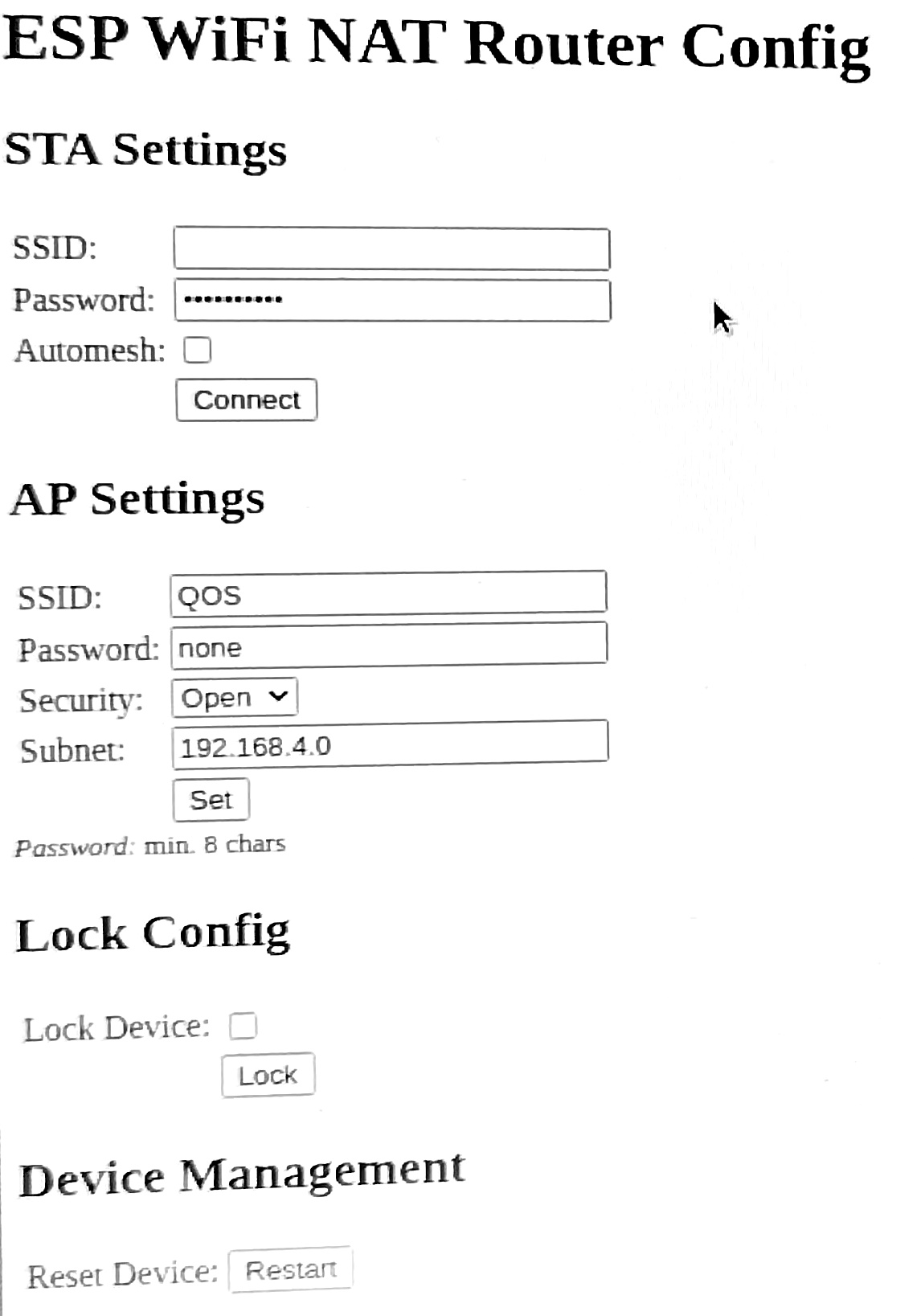
Here you can check on the 3D files on MakerWorld :
https://makerworld.com/en/models/424211#profileId-327536
circuit diagram:
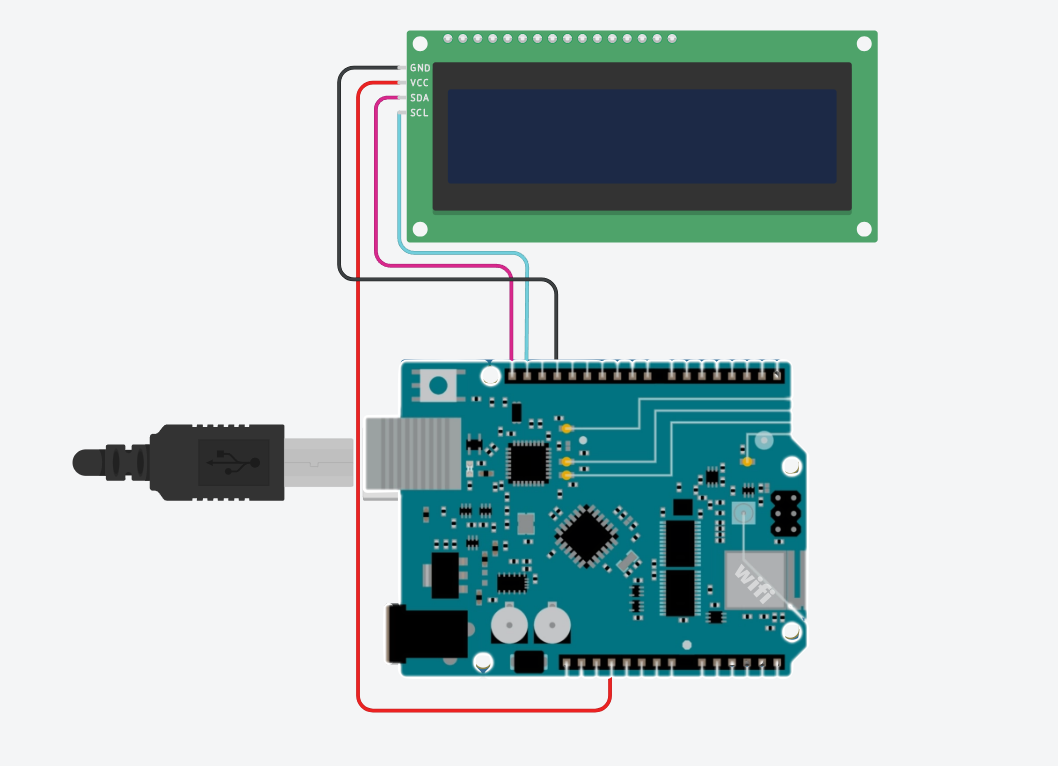
you dont need a connection for the wifi sensor if you have an esp32/82 model
about the screen i prepeare the i2c oled screen but in the diagram i coundnt find it so i use toy show you the i2c 16*2 screen
EXPANDED TECHNICAL DETAILS
High-Speed Optical Synchronization
This project explores the ultra-fast timing required to synchronize high-speed cameras or lasers with physical events.
- Interrupt-Driven Triggers: Uses external hardware interrupts on the Arduino to react to a light-gate event within nanoseconds. This is crucial for high-speed photography where millisecond delays result in missed shots.
- Dynamic Pulse Shaping: The Arduino generates precisely timed "Trigger Pulses" for an external Flash or Laser, allowing for the capture of events like water droplets merging or a balloon popping.
Visual Programming
- Arduino IDE 2.0 (Beta) Deployment: Leverages the advanced debugging and faster compile times of the new IDE to calibrate the timing sensitive loops in real-time.