IN GENERAL
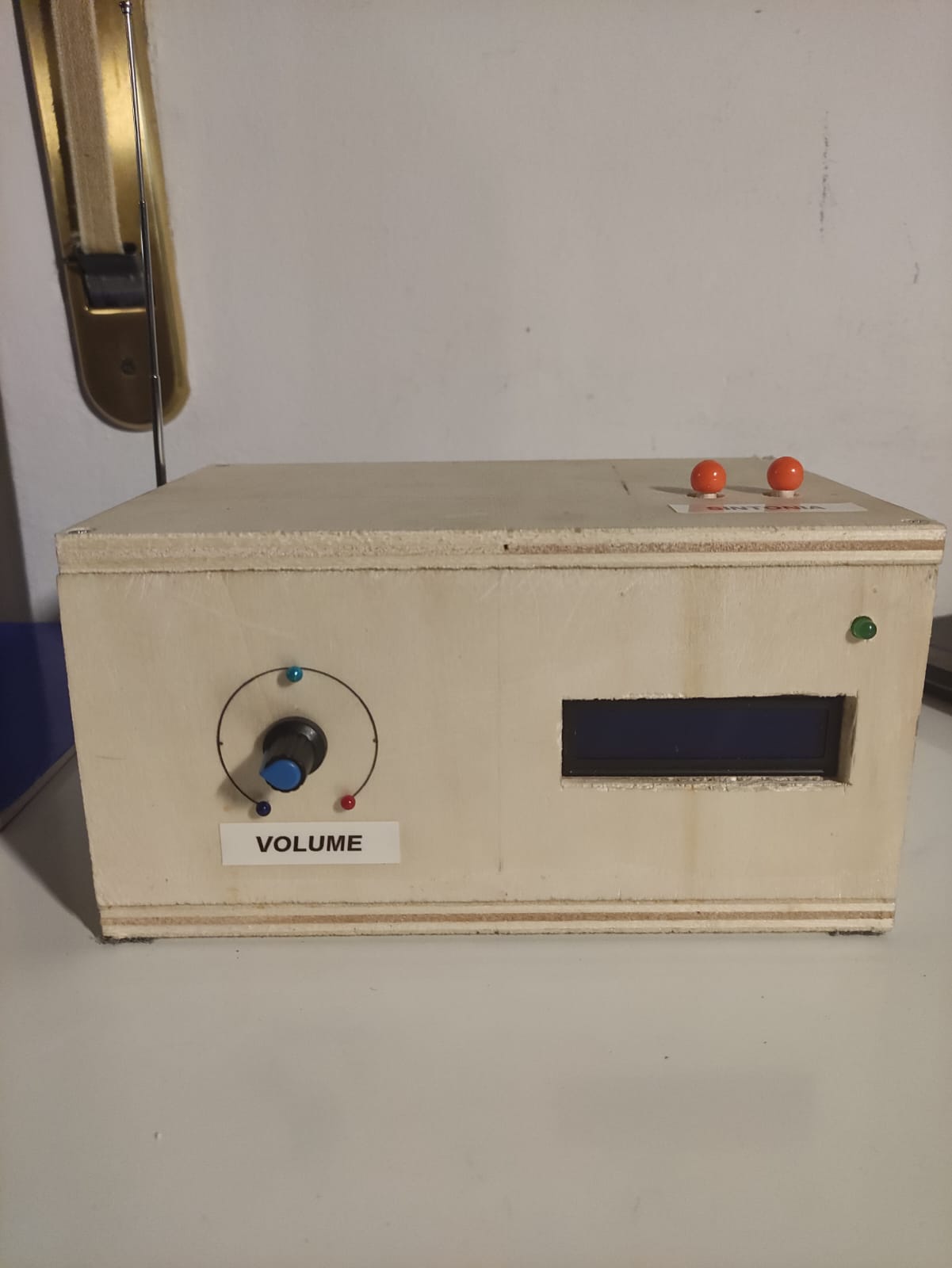
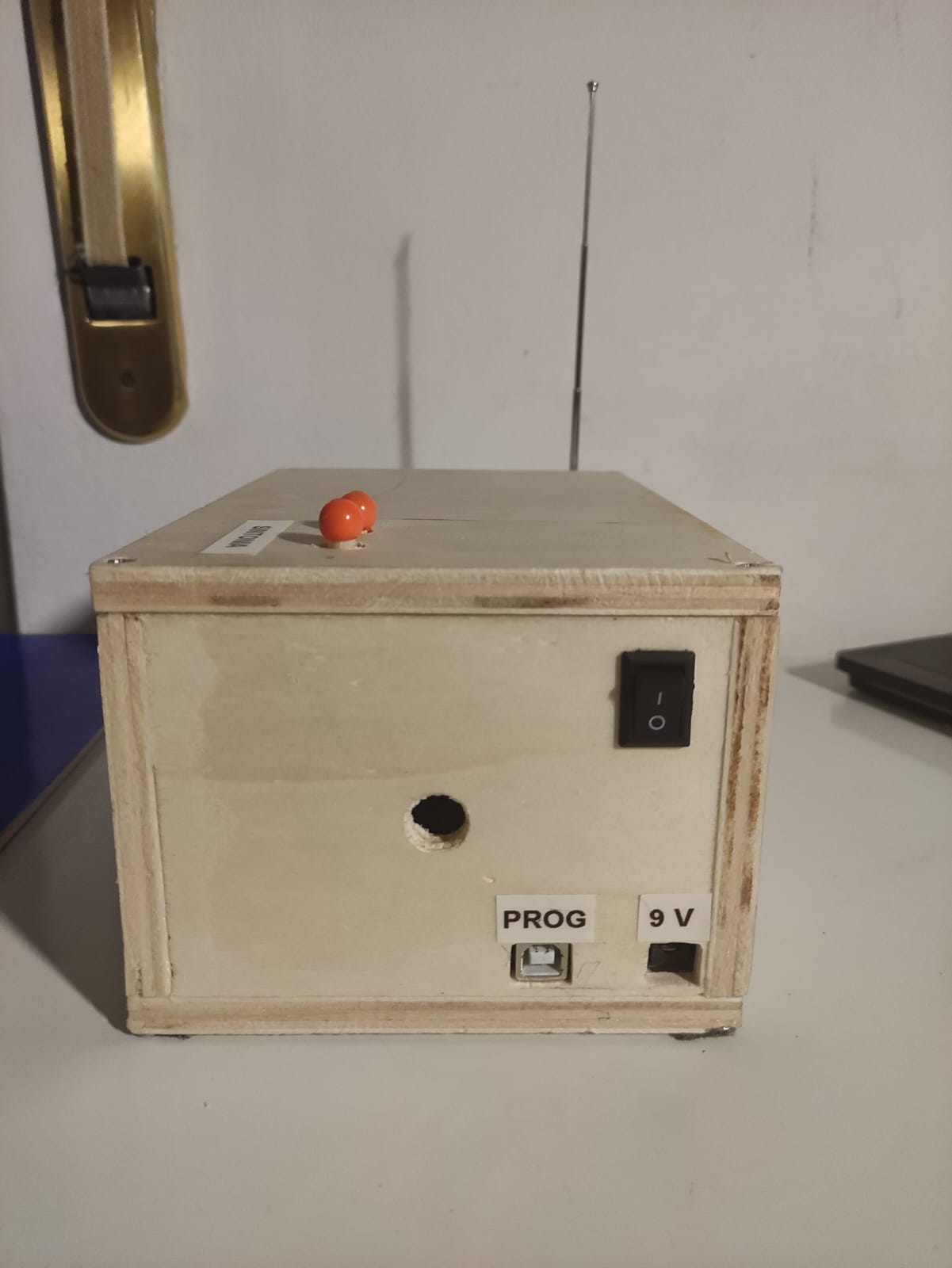
This radio use the radio module TEA5767 which can operate from 76Mhz to 108Mhz. Furthermore, using a spst switch, we can turn on and off the radio and see the frequency chosen on the LCD (this use I2C protocol) by two buttons that change the frequency value. In the last we can change the volume thanks to a potentiometer on an amplificator to whom are connected two speakers and save through the EEPROM the last frequency chosen.
PHOTOS
VIDEO
Project Comprehensive Overview
The TEA5767 Arduino Radio is a full-featured FM receiver that bridges the gap between digital control and analog audio. By using an Arduino to command a dedicated silicon tuner, this project allows you to build a custom radio with a modern digital interface, frequency memory, and powerful stereo output. It’s an ideal project for learning about high-frequency communication protocols and audio amplification.
Advanced Hardware Infrastructure
- Arduino UNO: Functions as the primary hub, orchestrating the digital tuning and managing the user interface.
- TEA5767 FM Radio Module: A high-performance single-chip FM stereo radio. It communicates with the Arduino over the I2C bus and can tune any frequency between 76 MHz and 108 MHz. It includes features like automatic gain control and soft-muting.
- TDA2822M Amplifier & 8-ohm Speakers: Since the TEA5767 only outputs a low-level line signal, the TDA2822M chip is used to boost the power to drive two 3W speakers, providing loud and clear stereo audio.
- I2C 16x2 LCD: Provides a visual readout of the current FM frequency. Using an I2C adapter saves digital pins on the Arduino for other functions.
- EEPROM Storage: The project utilizes the Arduino's internal EEPROM (Electrically Erasable Programmable Read-Only Memory) to save the last tuned frequency, so it automatically returns to your favorite station after power-cycling.
Technological Logic and Signal Path
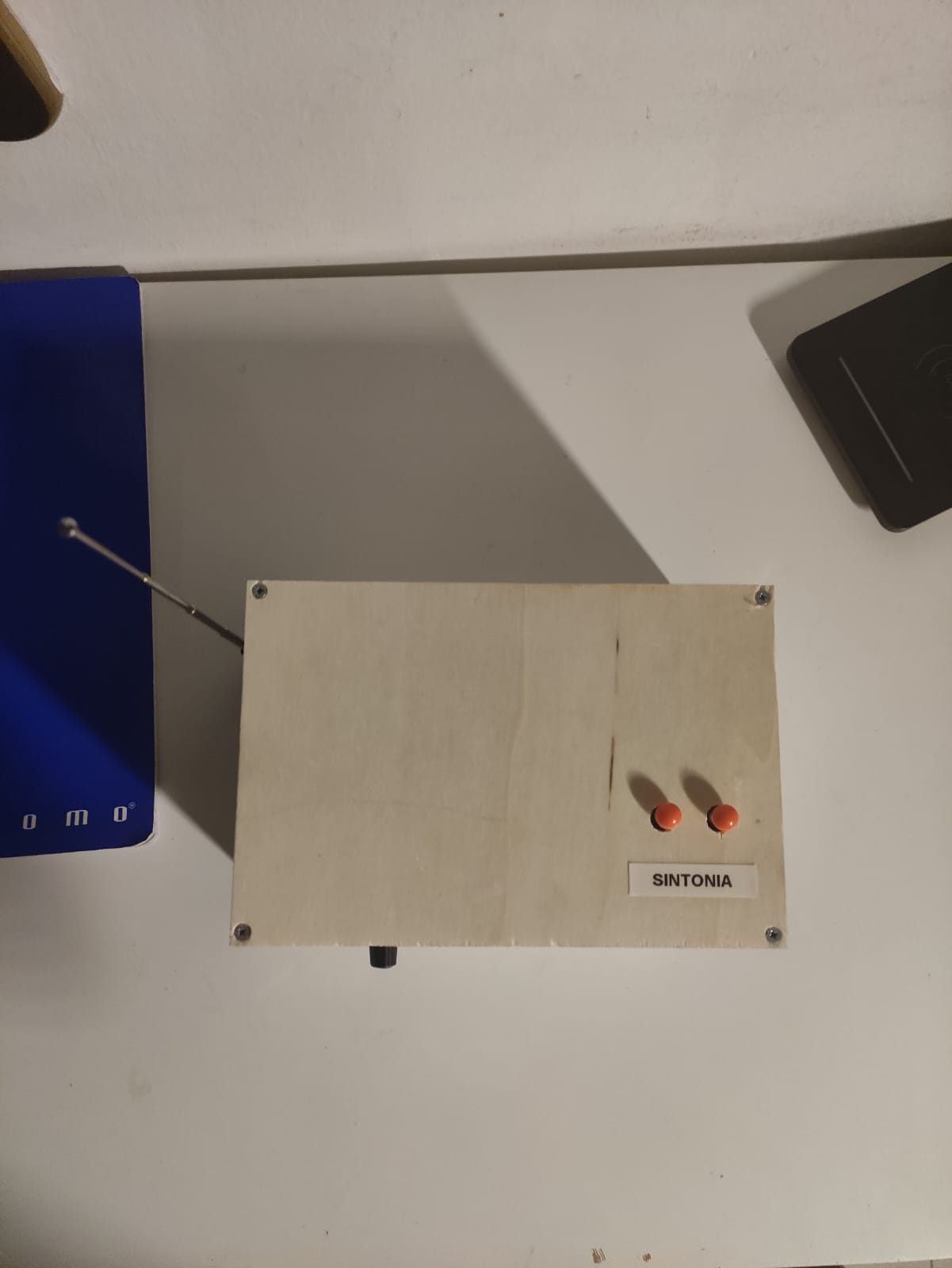
- User Interaction: Two tactile buttons allow for up/down frequency adjustments in increments of 0.1 MHz.
- I2C Protocol: When a button is pressed, the Arduino calculates the new frequency word and sends it as a 5-byte data packet over the SDA/SCL lines to the TEA5767 module.
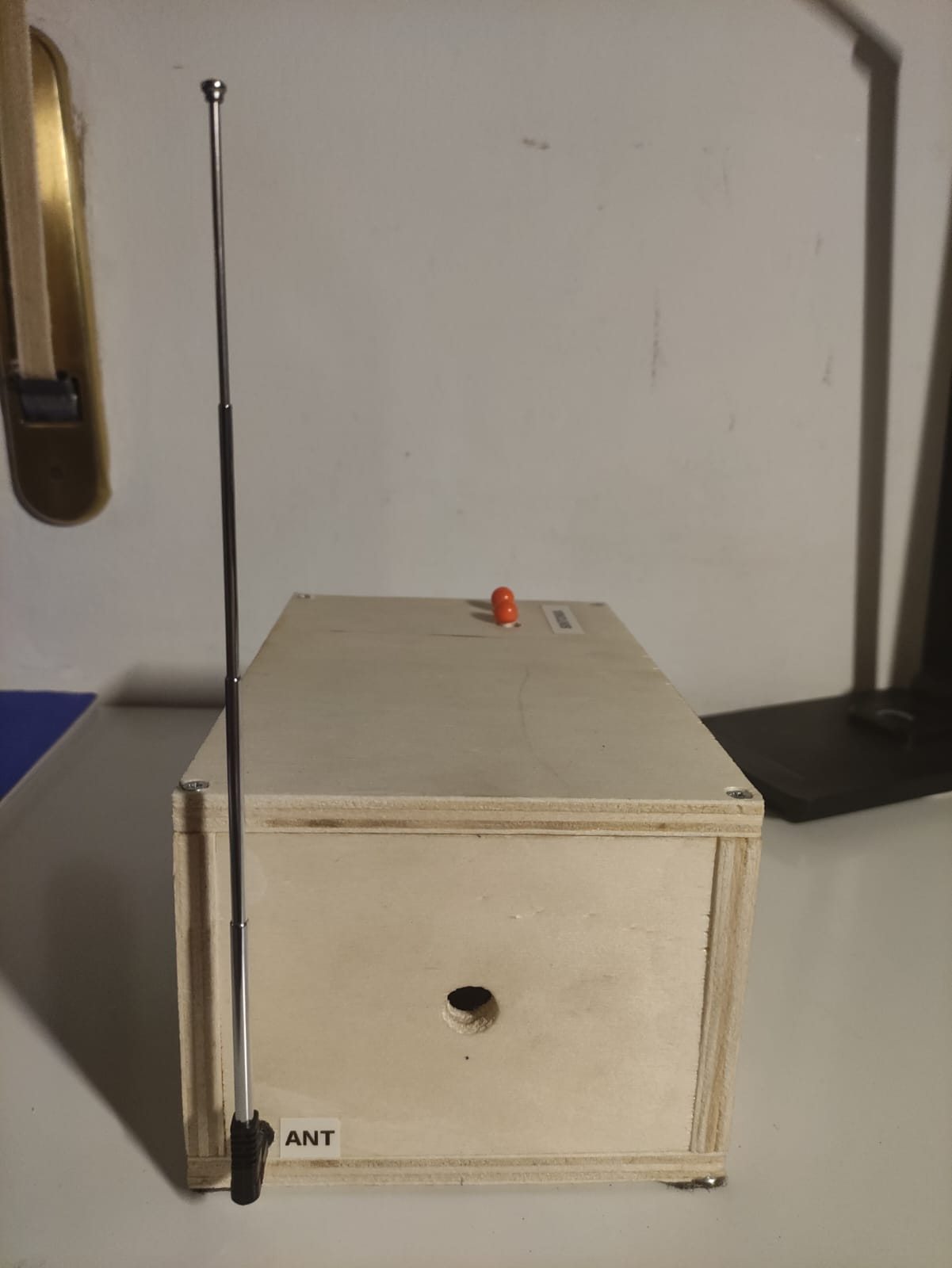
- FM Demodulation: The TEA5767 receives the RF (Radio Frequency) signal via an external wire antenna, demodulates it, and outputs the Left and Right audio channels.
- Local Audio Delivery: The low-level audio enters the TDA2822M amplifier circuit, where it's boosted and sent to the speakers.
- Persistence: The Arduino regularly checks if the frequency has changed and saves the new value to EEPROM after a short delay to minimize memory wear.
Portability and Power
The inclusion of a 9V battery and an adapter option makes this radio a portable and versatile device. The use of a dedicated SPST switch ensures that no power is wasted when the radio is not in use, making it an efficient DIY home electronics project.