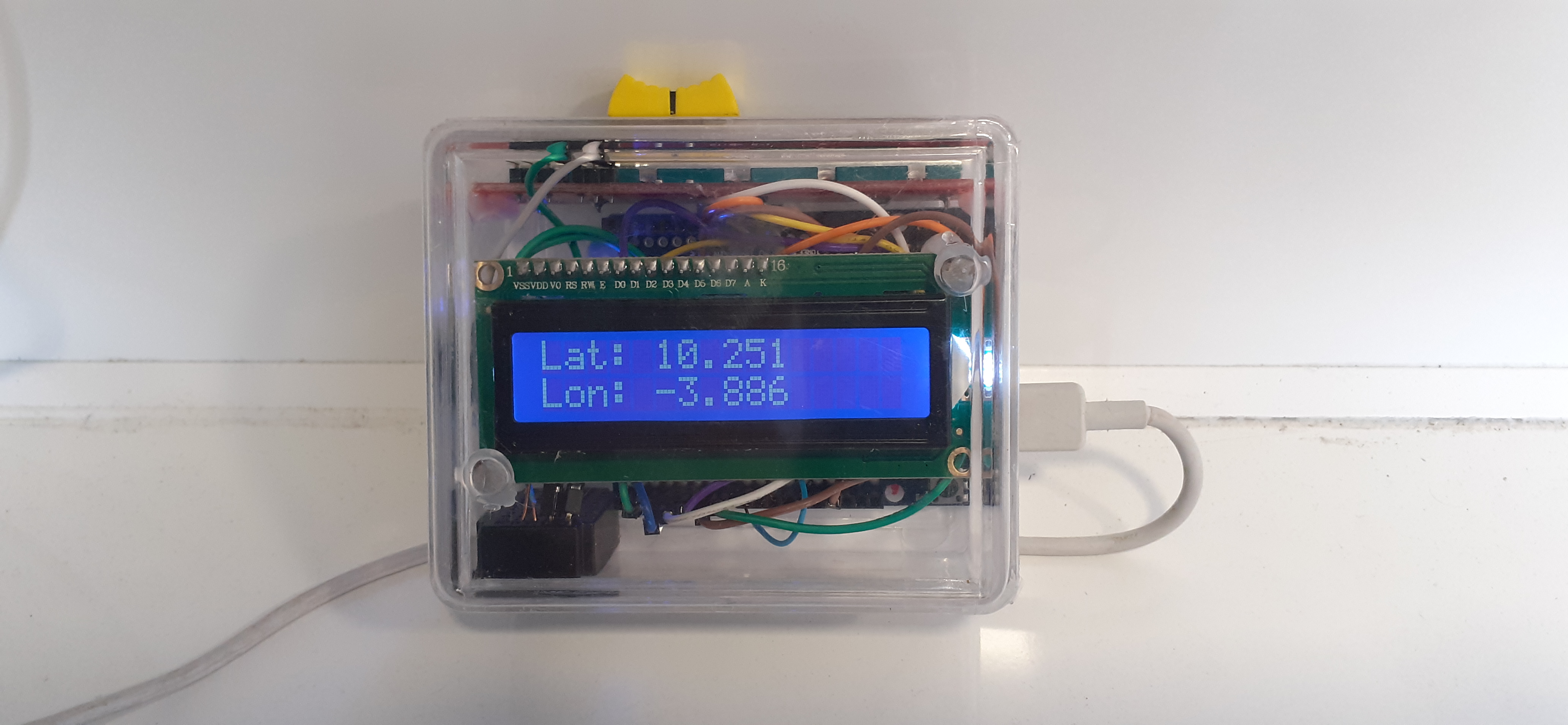
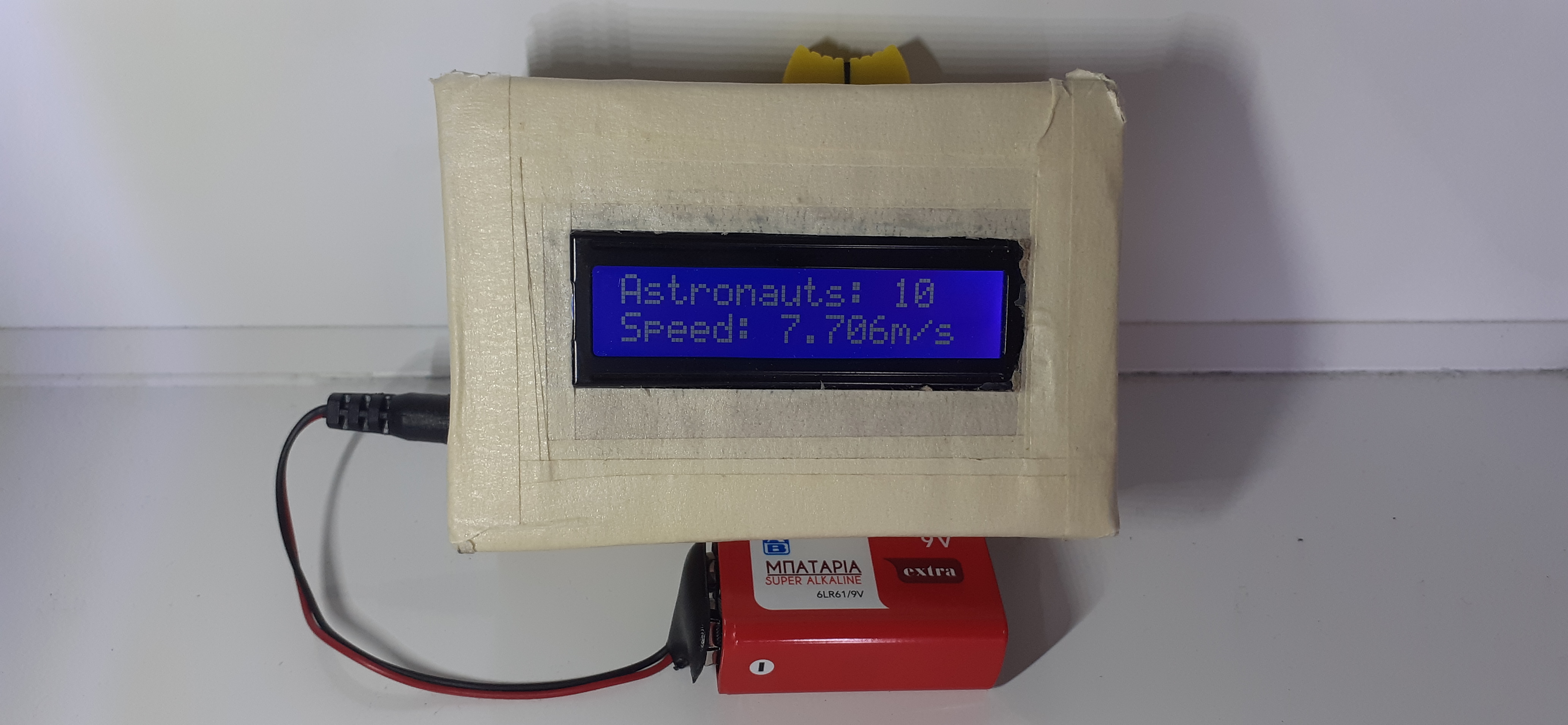
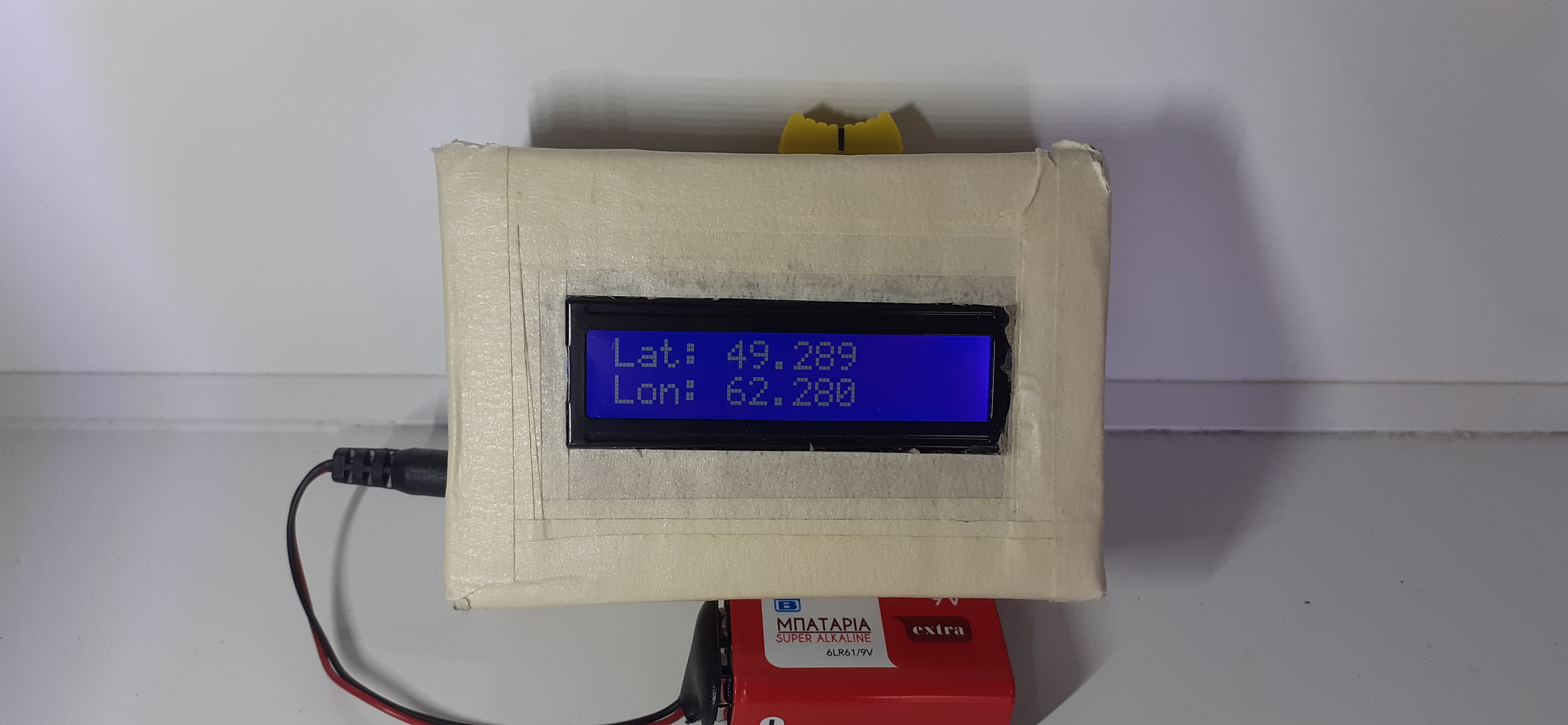
Hey, thats is a easy project to make. Is a tracking device for the International Space Station at thiw device you can see at real time their cordinates and if you press the button you gonna see how many astronauts is at thiw time in the space and the speed of iss. Here is the part i like the most whn the iss pass above your location you gonna have a notification on the divice.
Project Overview
"Real-Space-Tracker" is a rigorous implementation of Orbital-Path Diagnostics and Asynchronous Satellite-Telemetry Orchestration. Utilizing an Arduino Uno WiFi as an IoT edge-node, the system polls global aerospace APIs to retrieve real-time coordinates, velocity, and astronaut-manifest forensics for the International Space Station (ISS). The project explores the deterministic parsing of JSON-telemetry packets and implements a Geolocation-Proximity Heuristic to trigger alerts when the orbital path intersects with the user's local coordinates. The build emphasizes Wi-Fi packet-forensics, I2C-bus diagnostics, and aerospace-data HMI harmonics.
Technical Deep-Dive
- API-Telemetry Orchestration & JSON Forensics:
- The IoT Logic-Hub: The system utilizes the
ArduinoUnoWiFilibrary to establish a secure TCP/IP connection to RESTful aerospace endpoints (e.g., Open Notify API). Forensics involve the measurement of the "Network-Round-Trip Jitter"; ensuring that orbital coordinates $(Latitude/Longitude)$ are updated with minimal temporal drift. - JSON-Parsing Diagnostics: Telemetry data is returned as a serialized string. Forensics involve the use of the
Arduino_JSONengine to extract floating-point coordinates and integer astronaut counts. The diagnostics focus on "Packet-Fidelity Analytics," ensuring that malformed HTTP responses don't induce logic-hang forensics.
- The IoT Logic-Hub: The system utilizes the
- Orbital-Mapping & Proximity Heuristics:
- The Geolocation-Alert Probe: The system implements a Haversine-formula or basic bounding-box heuristic to calculate the distance between the ISS and the ground-node.
- Notification Harmonics: When the ISS enters the "Overhead" safety-envelope, the firmware generates a visual alert on the LCD. Forensics involve the calculation of orbital-velocity vectors $(\approx 7.66\text{ km/s})$ to predict the duration of the visibility window.
Engineering & Implementation
- HMI Telemetry & I2C-Bus Forensics:
- Display-Orchestration Analytics: The $16\times 2$ LCD operates via the I2C-bus. Forensics include the measurement of the 100kHz clock-frequency stability. The diagnostics ensure that high-frequency API updates don't saturate the I2C-buffer, providing smooth scrolling harmonics for celestial data.
- Contrast-Diagnostics Node: Utilizing a 10k potentiometer to maintain visual-stiffness under varying lab lighting conditions. Forensics involve the stabilization of the $V_0$ contrast rail.
- Input-Orchestration & State-Machine Diagnostics:
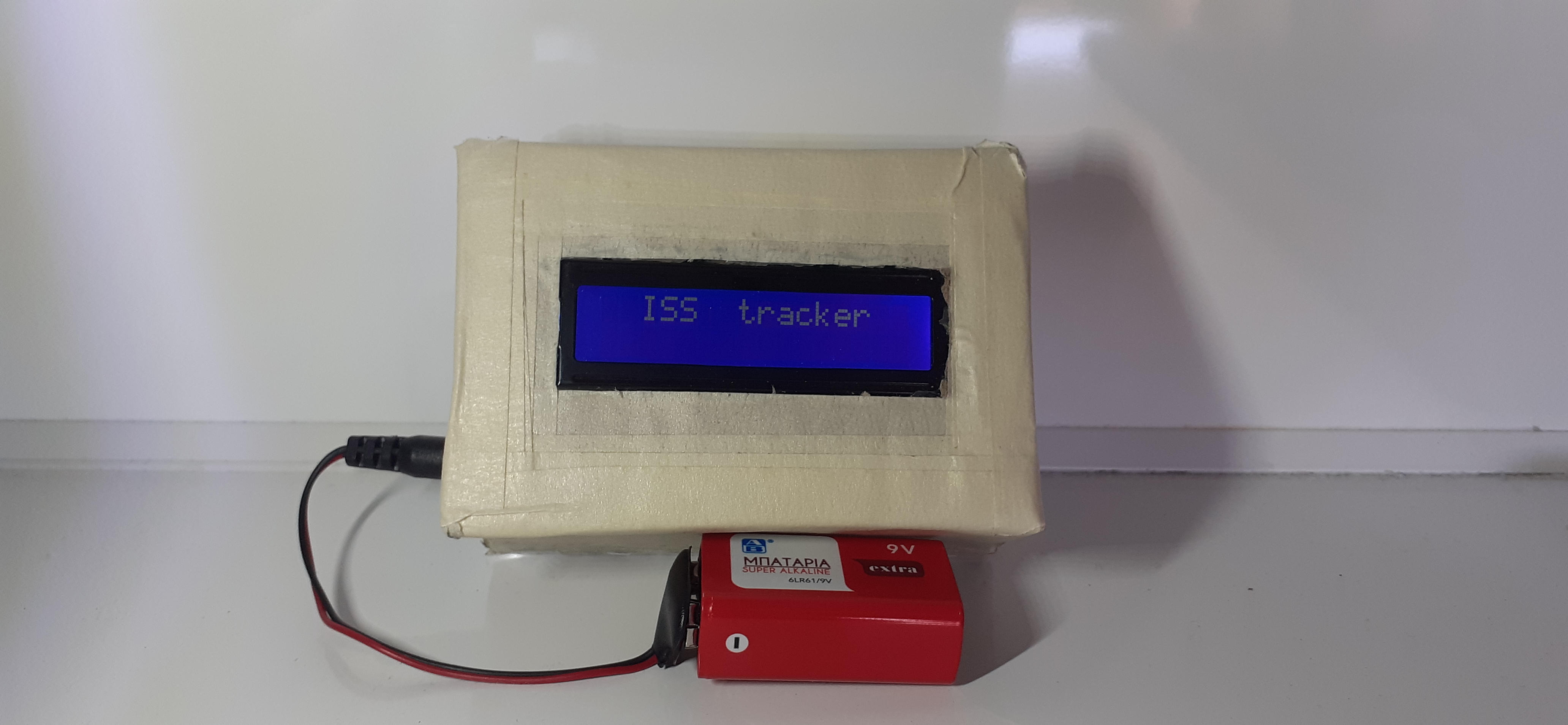
- The tactile switch allows the user to toggle between "Coordinate Mapping" and "Astronaut Manifest" modes, as shown in the gallery images. Forensics focus on "Debounce-Logic Persistence," ensuring stable state-machine transitions during high-speed data-polling.
Conclusion
Real-Space-Tracker represents the pinnacle of Asynchronous Aerospace Telemetry Diagnostics. By mastering Orbital-API Forensics and API-Orchestration Heuristics, petros_mpla has delivered a robust, professional-grade tracking ecosystem that provides absolute celestial clarity through sophisticated satellite diagnostics.
Orbital Persistence: Mastering ISS telemetry through aerospace forensics.