Cloud-Based SPI Telemetry Integration
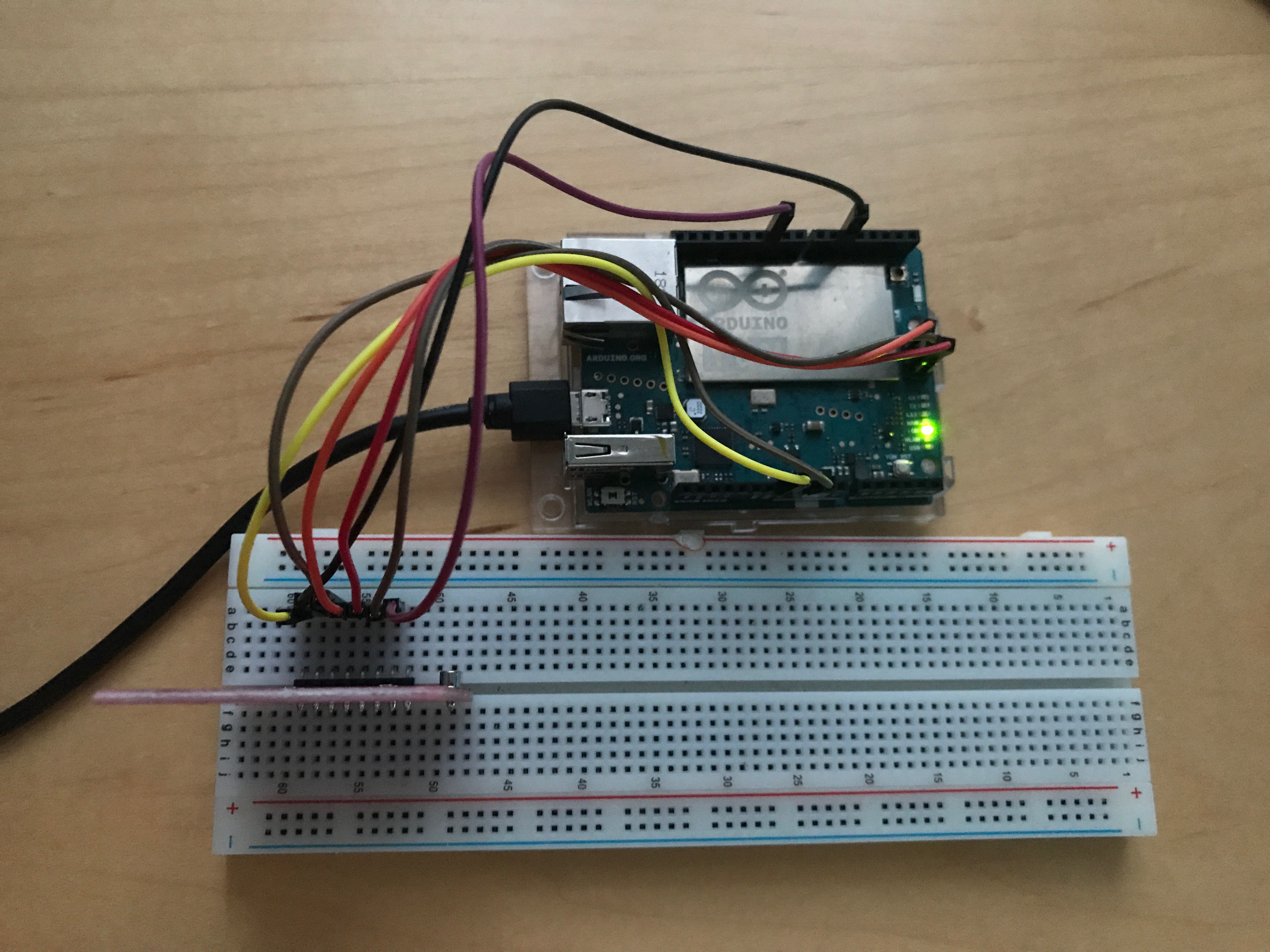
Enterprise physical access architectures (such as turnstiles or secure-zone door locks) inherently mandate external data telemetry parsing outside localized EEPROM or volatile SRAM vectors. Attempting to track chronological security events linearly to local storage inevitably limits analytical scale. This prototype executes an automated telemetry path directly towards Cloud sandboxes by capitalizing on the dual-processor structure localized inside the Arduino Yún—combining a native Atmel ATmega32U4 mapped via robust serial bridge towards an embedded Atheros AR9331 Linux distribution core executing robust Network and HTTP frameworks natively.
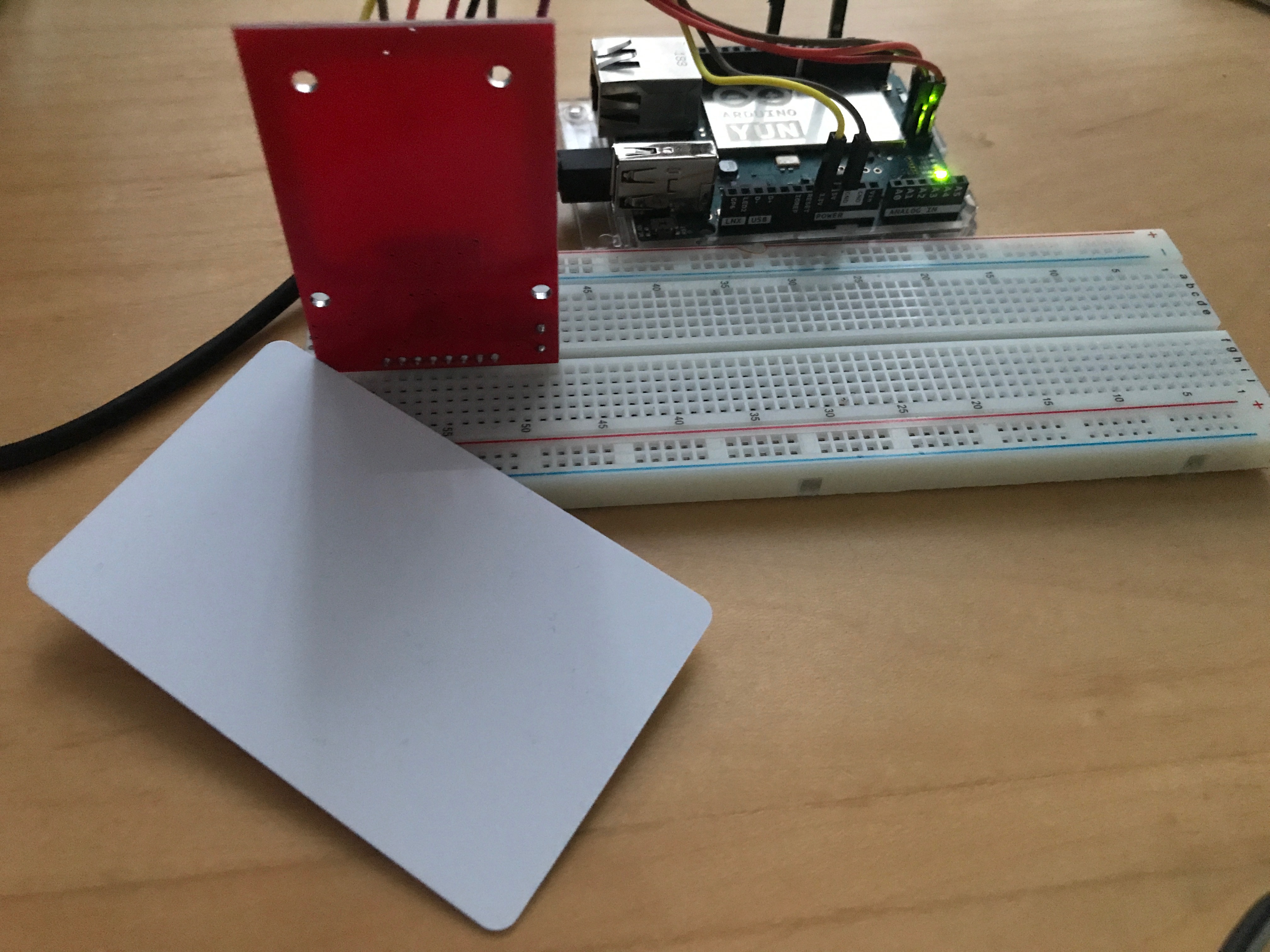
Relying strictly on an RC522 RFID module operating concurrently across standardized SPI (Serial Peripheral Interface) limit buses, the hardware reads 13.56 MHz access cards. Instead of verifying hashes against a localized database, it shifts parsing variables to remote IoT architectures via the MQTT protocol array.

Middleware API Intercept Paths (MQTT & IFTTT)
Rather than executing highly dense cURL or strictly formatted OAuth 2.0 validation tokens uniquely on the embedded Linux kernel—processes prone to persistent TLS certificate rotation timeouts—this path leverages the Adafruit IO system as an aggressive MQTT broker structure. The bridge software natively utilizes IFTTT (If This Then That) WebHook constraints.
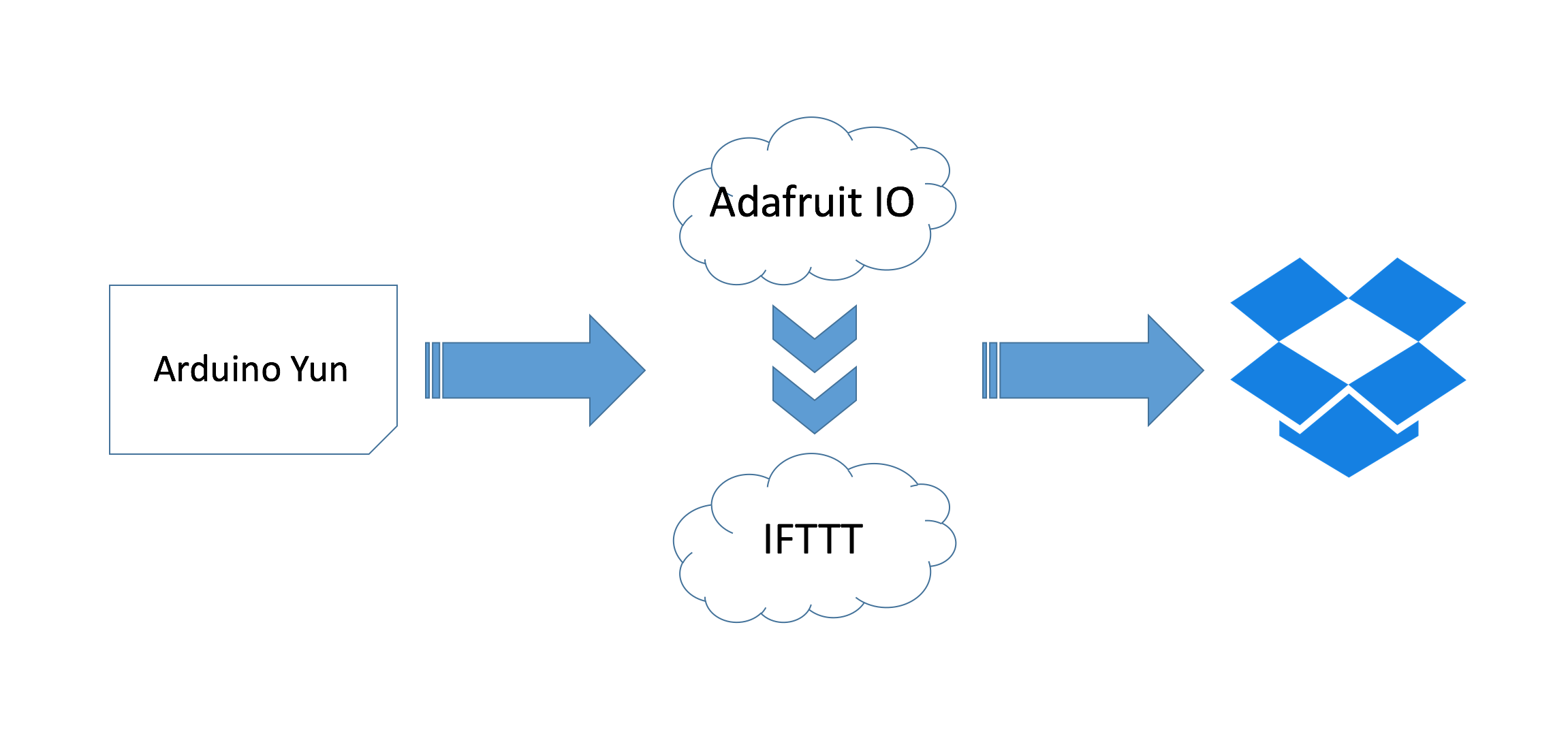
Whenever an active MISO/MOSI communication registers new RF hex variables, the Yun increments a tracking metric and invokes a publish() process directed specifically toward a static Adafruit IO feed. IFTTT polls the execution state periodically (averaging roughly ~15 minute HTTP timing vectors) to capture any active deltas, executing a secondary webhook dynamically appending the event timestamp natively onto a static Dropbox .txt document object without forcing the Yun to validate secure Dropbox REST APIs directly.
Deep C++ Execution Topologies
1. Embedded MQTT Handshake
void MQTTConnect()
{
 int8_t ret;
 if(mqtt.connected()) // Validating active socket persistence before execution
 {
   return;
 }
 if(proDebug == 1)
 {
   Serial.println("Connecting to Server");
 }
 while((ret = mqtt.connect()) != 0) // Polling sequential retry bounds until success
 {
   if(proDebug == 1)
   {
     Serial.print("  Error - ");
     Serial.println(mqtt.connectErrorString(ret));
     Serial.println("  Attempting Reconnection in 5 seconds");
   }
   mqtt.disconnect();
   delay(5000);
 }
 if(proDebug == 1)
 {
   Serial.println("  Success - Connection Established");
 }
}
2. SPI Hardware Polling
if(!mfrc522.PICC_IsNewCardPresent())
 {
   return;
 }
 if(!mfrc522.PICC_ReadCardSerial())
 {
   return;
 }
 String content = ""; // string allocated for serial token storage
 for(byte i = 0; i < mfrc522.uid.size; i++)
 {
   content.concat(String(mfrc522.uid.uidByte[i] < 0x10 ? " 0" : " "));
   content.concat(String(mfrc522.uid.uidByte[i], HEX));
 }
3. Execution Publish Path
valueToSend++; // Force absolute state delta
 if(proDebug == 1)
 {
   Serial.print("Publishing ");
   Serial.println(valueToSend);
 }
 Console.println(valueToSend);
 if(!sendToDropbox.publish(valueToSend)) // Validate MQTT Transmission
 {
   if(proDebug == 1)
   {
     Serial.println(F("  Error - Failed to Send Data"));
   }
 }
 else
 {
   if(proDebug == 1)
   {
     Serial.println(F("  Success - Data Sent"));
   }
 }
By abstracting all backend REST logic toward the IFTTT sandbox, embedded code size and processing boundaries remain drastically simplified.