Automated Illumination: AC Smart Light
Smart Light
Have you ever think
What is Smart Light?How does it work?And, What happened in the lights which are automatically Turn ON in Night and Turn OFF in Daylight
Whatever your Answer is let me help you
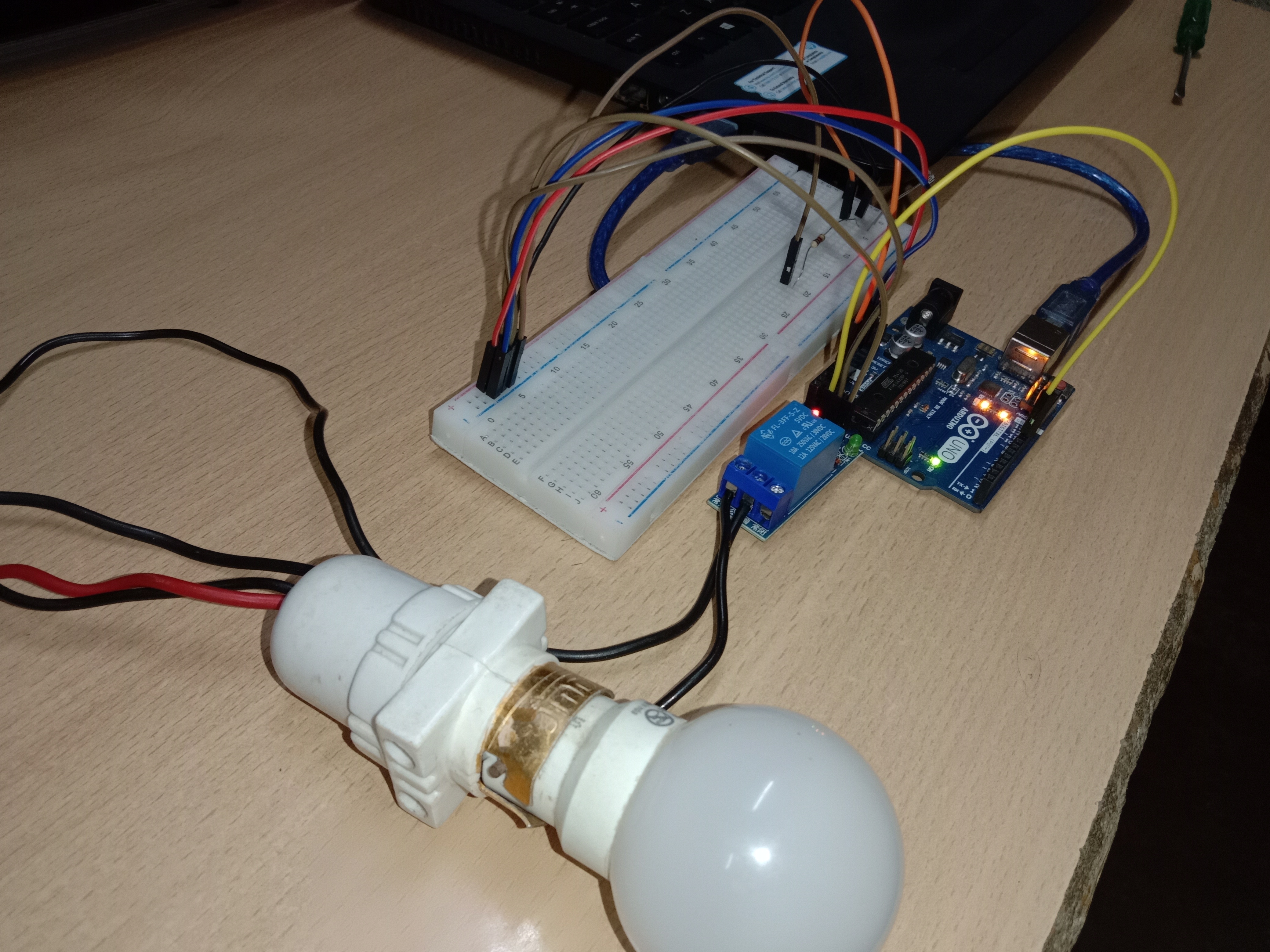
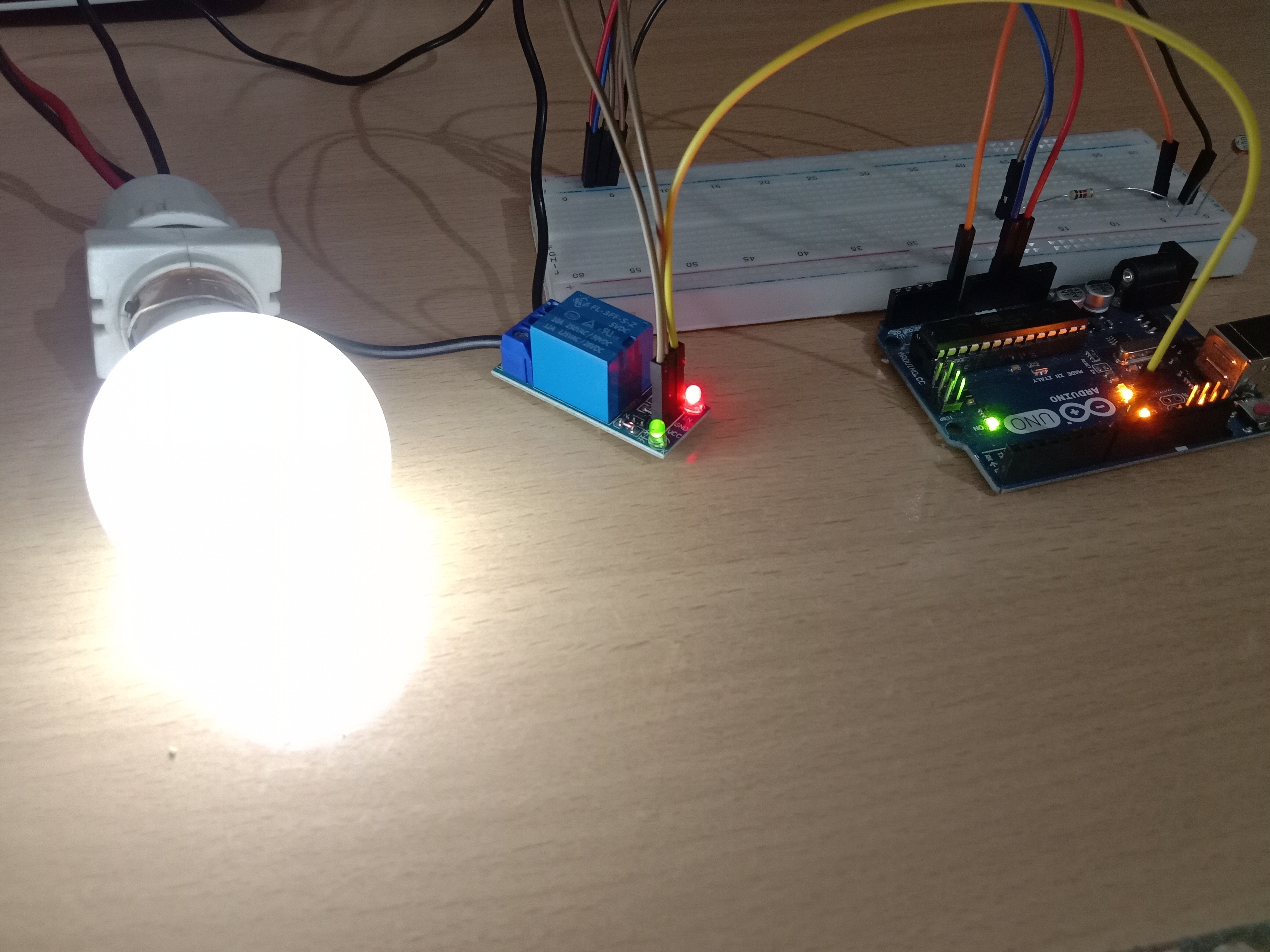
There is 1 Sensor called LDR which sense the Light and send the message to Arduino & then Arduino gives output according to your program.
Here, We use relay as Output.
For more knowledge Watch full Video
For more such videos, Please subscribe it
The Smart Light project scales up basic analog sensing. Instead of just lighting a small 5V LED when it gets dark, this project uses a relay to safely control real, high-voltage AC house lights based on the ambient light in the room.
The Sensing Threshold
- The Sensor: A standard Photoresistor (LDR) is set up in a voltage divider circuit.
- Analog Read: The Arduino constantly monitors the light level (values 0-1023).
- The Relay Trigger: When the value drops below a set threshold (e.g.,
< 300meaning "it is getting dark"), the Arduino sends a 5V signal to the Relay Coil. - The Switch: The relay mechanically clicks shut, completing the AC circuit and turning on the main house bulb.
Hardware List
- Arduino Uno: The controller.
- LDR and 10k-ohm Resistor: The light sensing bridge.
- 1-Channel Relay Module (5V): The high-voltage isolator.
- Standard AC Lightbulb and Socket: For the output.
Dealing with "Flicker"
When the ambient light is hovering right around the threshold, the relay might rapidly click on and off (chatter). This project teaches you how to implement Hysteresis—using two different thresholds for "turning on" and "turning off"—to create a stable, professional lighting system.