The damaged Yamaha E-10 AR has gained a new lease of life as a MIDI controller for Hauptwerk / Grand Orgue
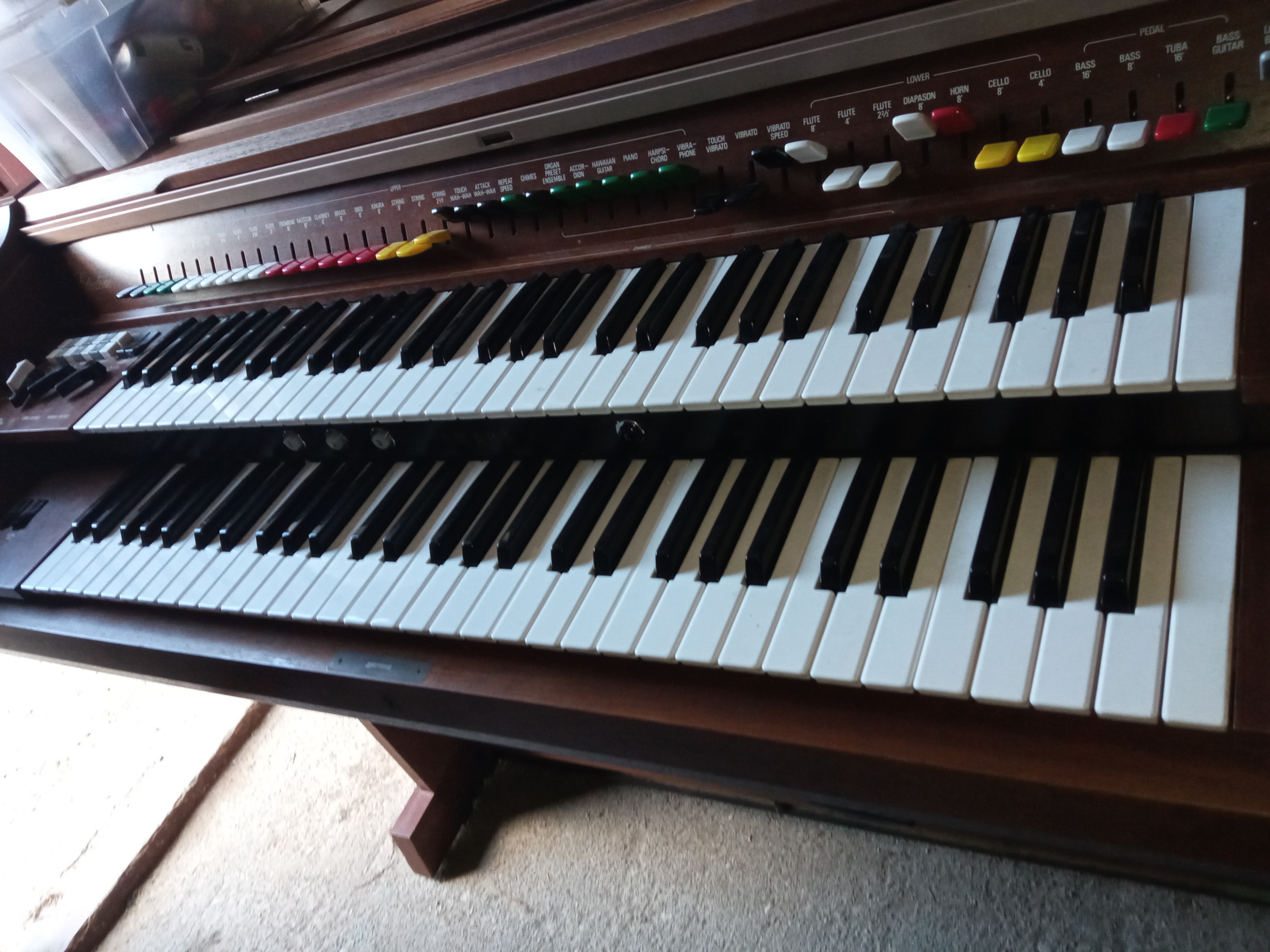
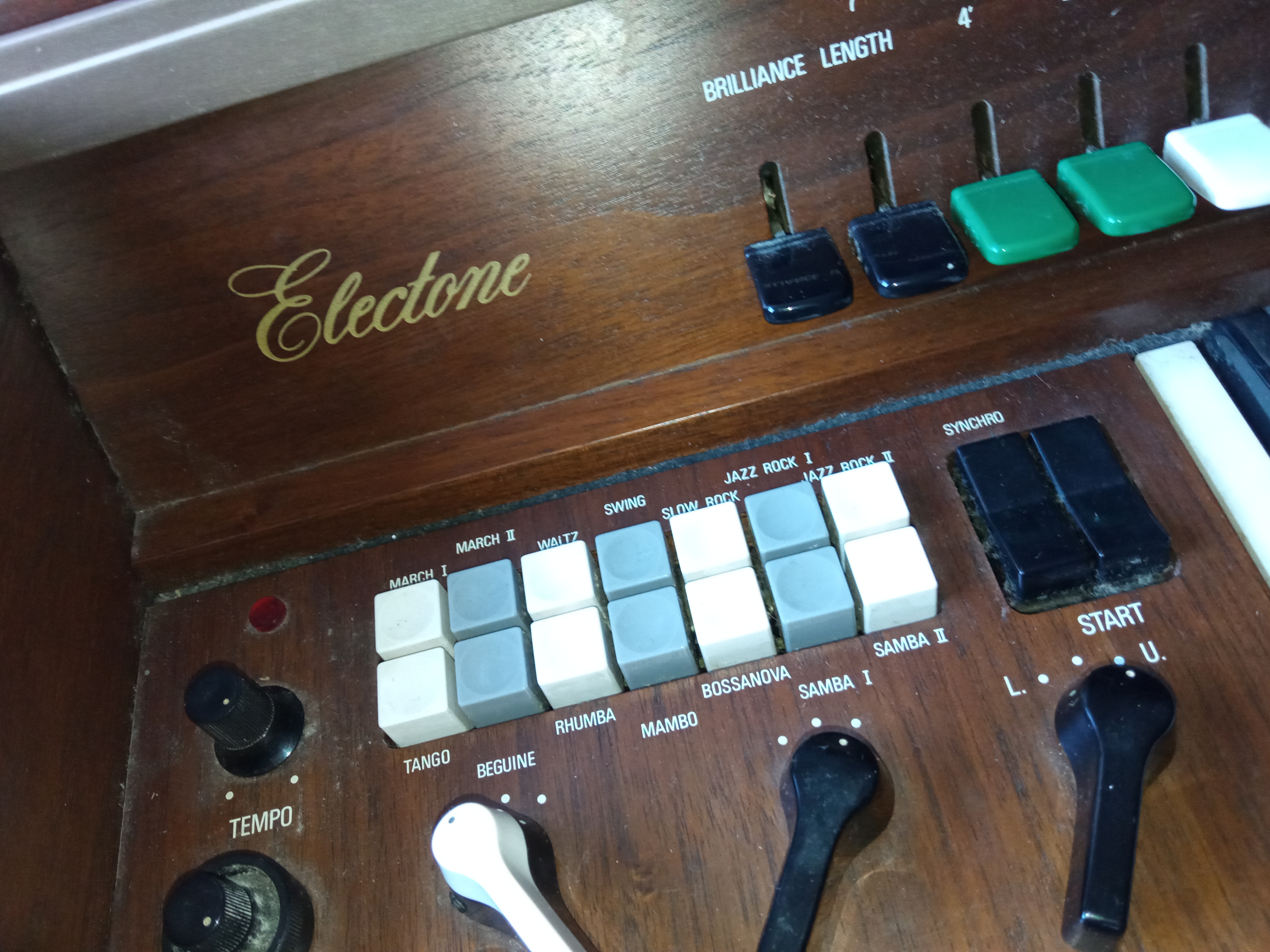
The damaged Yamaha E-10 AR has gained a new lease of life as a MIDI controller for Hauptwerk / Grand Orgue
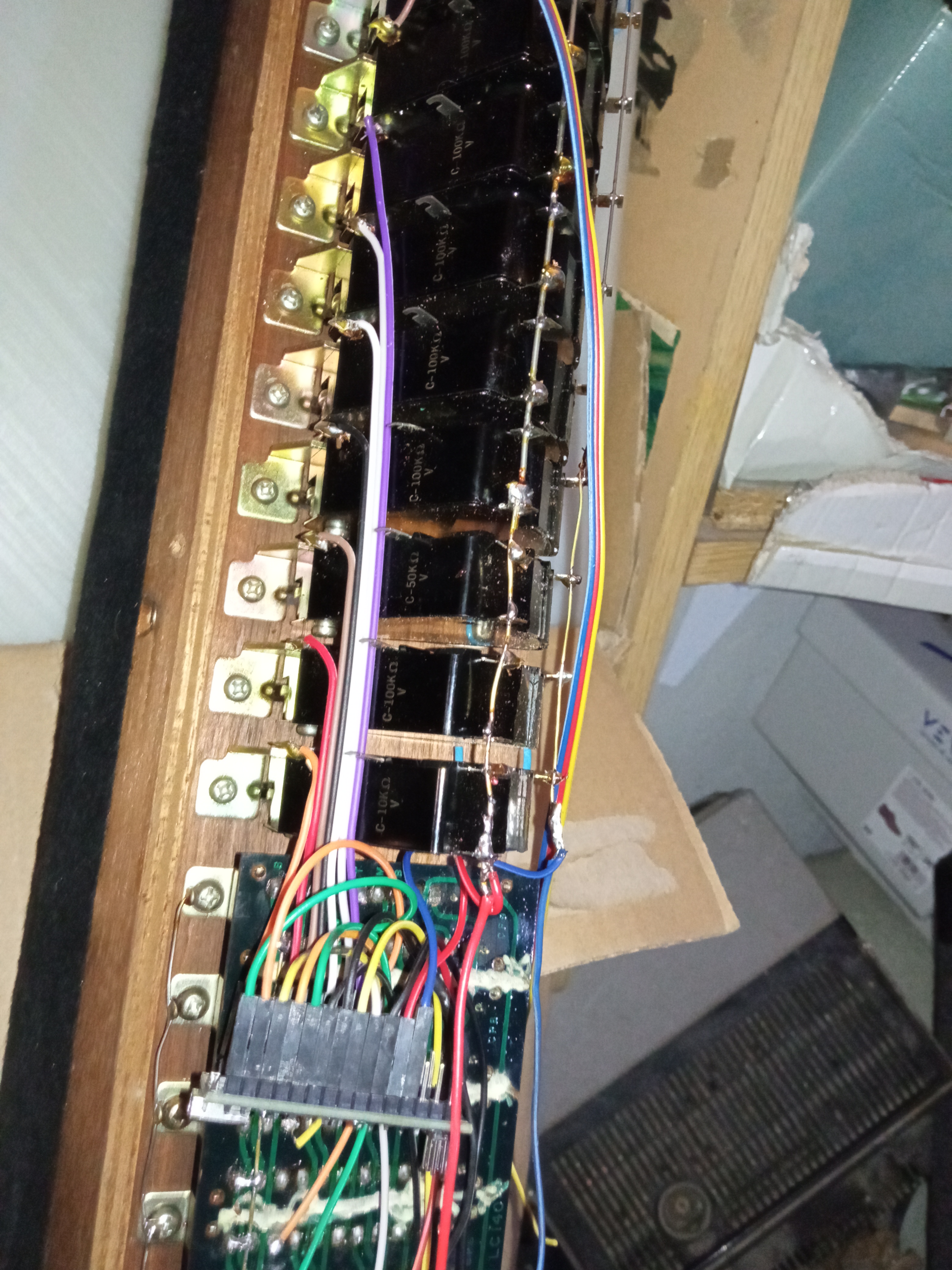
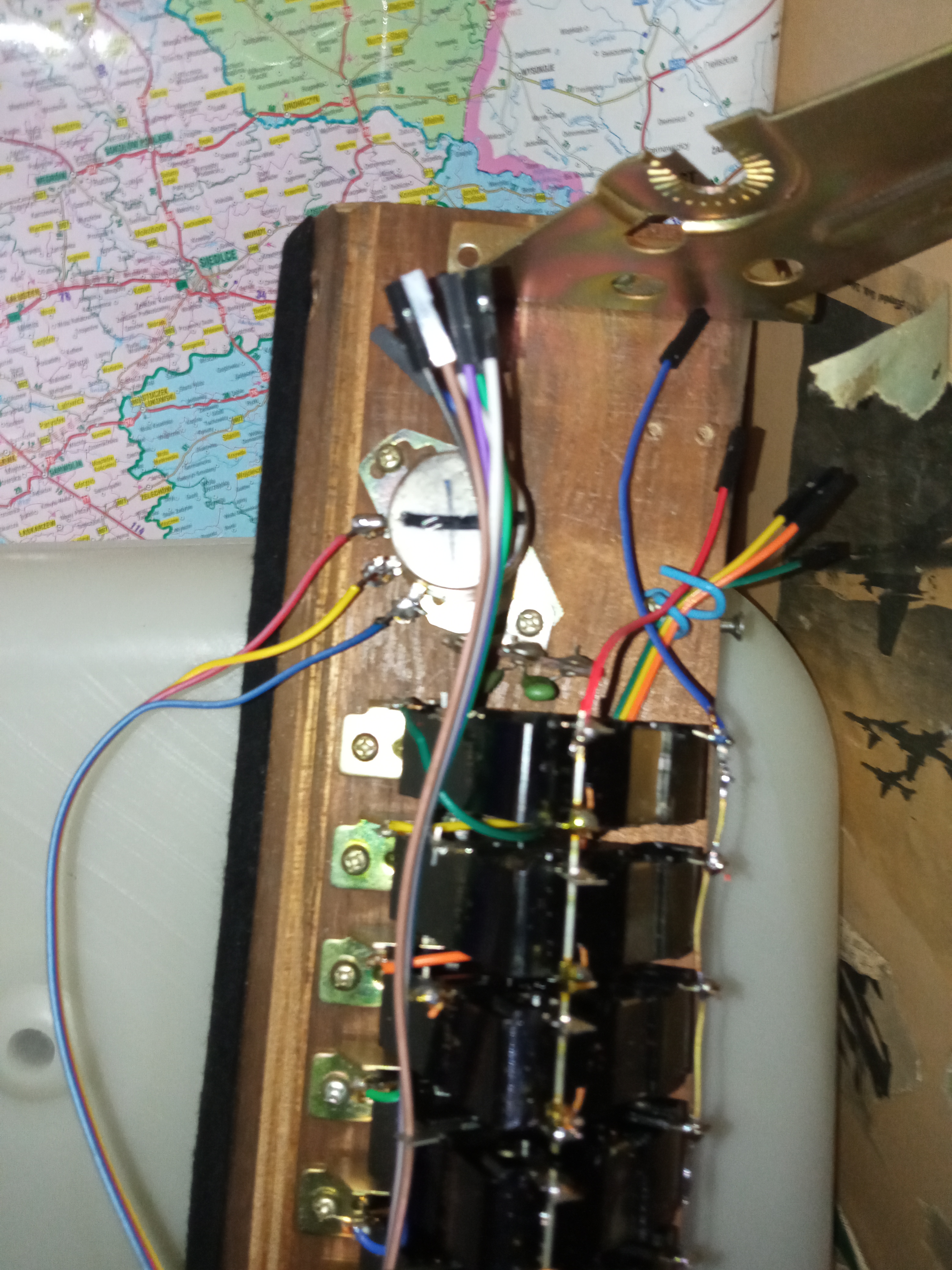
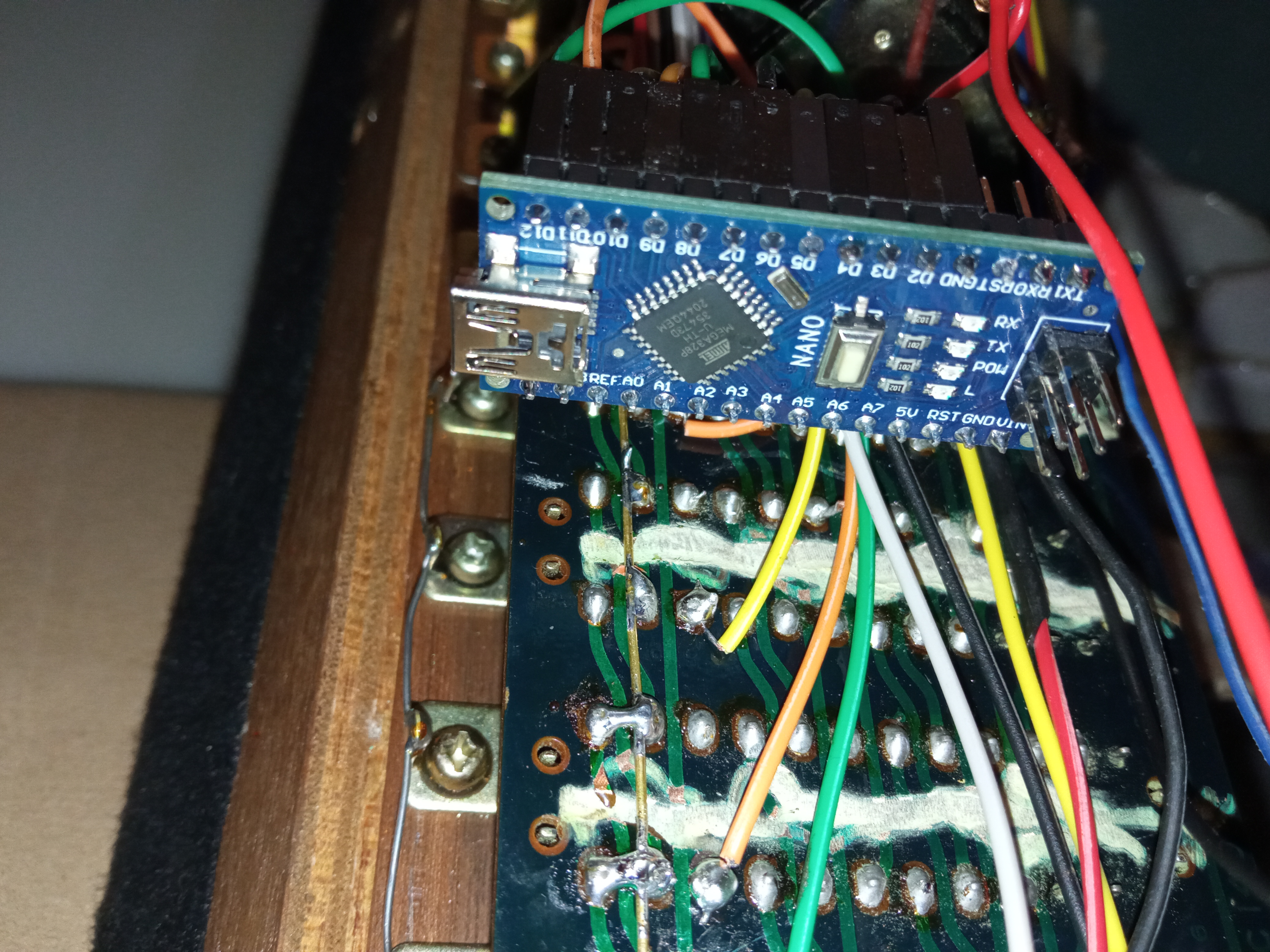
I used 3 Arduino NANO, 4 Adruino PRO MINI (328 / 5v / 16Mhz) and 1 Arduino UNO. In the software I used the Control Surface library - written by PieterP * https://github.com/tttapa/Control-Surface * (28-01-2019). I used the pipes possibilities that this library offers. This made it possible to connect the MIDI (TX) output of one Arduino module with the MIDI (RX) input of another module. To finally connect the 16u2 chip in the Arduino UNO to the RX, which works as a MIDI-LUFA interface. * https://doremifasollasi.wordpress.com/jak-przerobic-arduino-uno-w-interface-midi-usb/ *
Include the Control Surface library in code Arduino IDE ver. 1.8.19
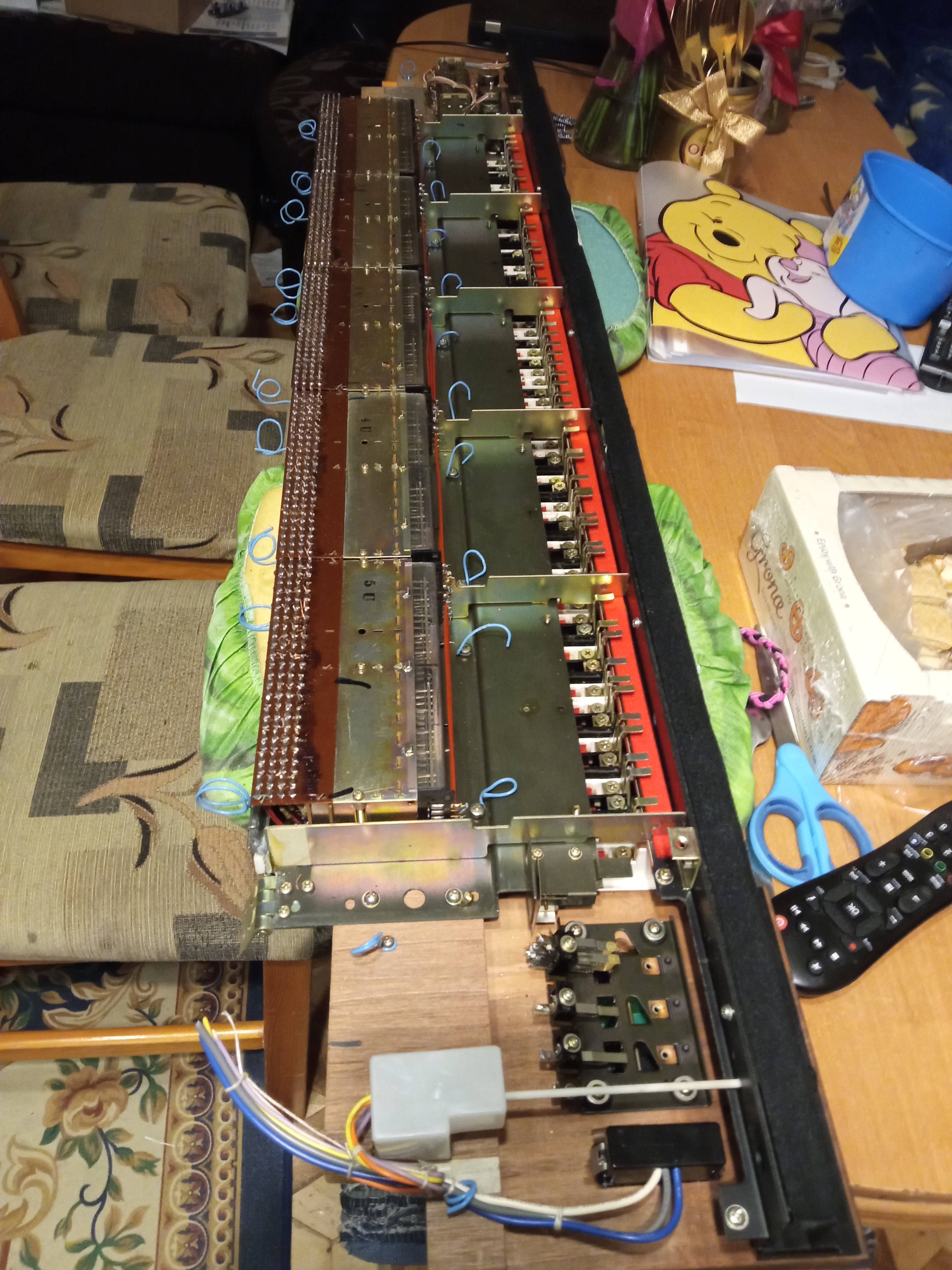
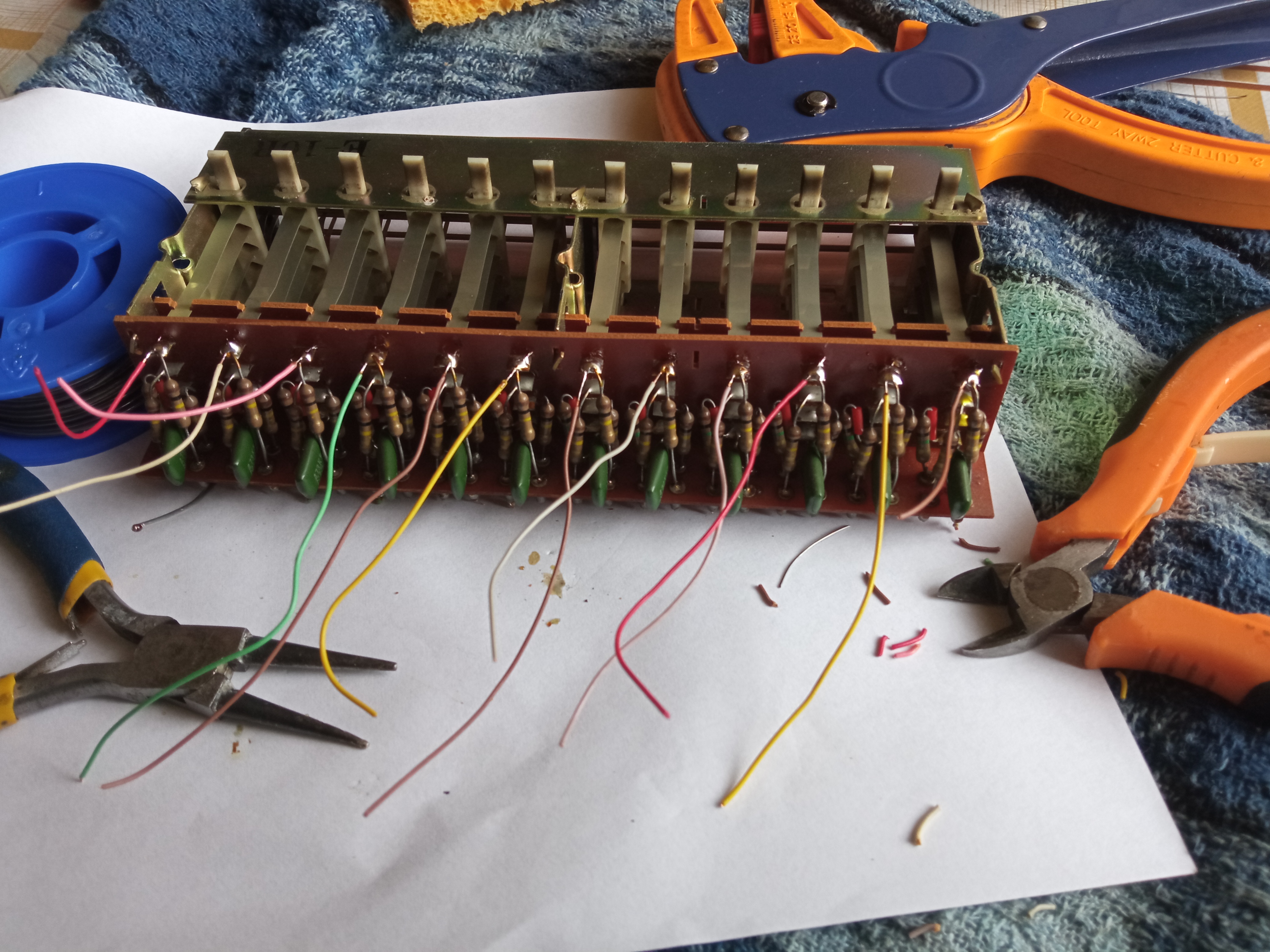
Note the code: The F note is implemented as F_. See: https://tttapa.github.io/Control-Surface-doc/Doxygen/da/dc1/FAQ.html#faq-midi-note-f
EXPANDED TECHNICAL DETAILS
Vintage Musical Instrument Restoration
This project breathes digital life into a classic Yamaha E-10 AR organ by replacing its aging analog components with a high-speed Arduino-based control system.
- Keyboard Matrix Multi-Scanning: The Arduino (often a Mega) is interfaced with the organ's original key matrix. It uses a high-speed "Strobe and Sense" technique to detect dozens of simultaneous key presses with zero latency.
- MIDI-Serial Bridge Implementation: The detected physical keys are translated into standard 3-byte MIDI packets and sent to a PC via USB. This allows the 1970s organ to be used as a professional controller for modern software like Pianoteq or Kontakt.
Custom Ergonomics
- Stop and Slider Mapping: Not just the keys—the project also maps the vintage volume sliders and "Stops" to MIDI Control Change (CC) messages, preserving the tactile experience of the original hardware while modernizing the sound engine.