Project Overview
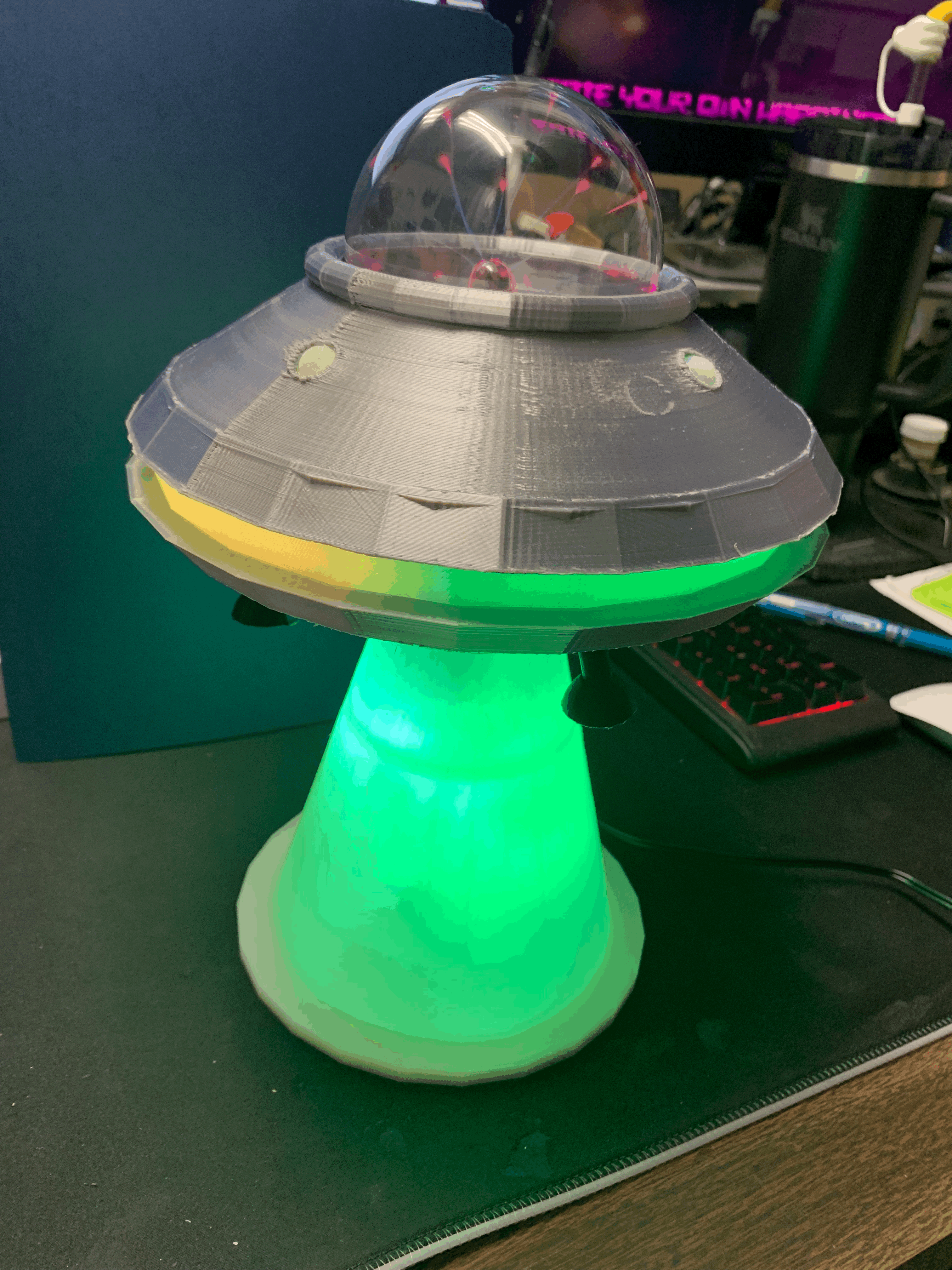
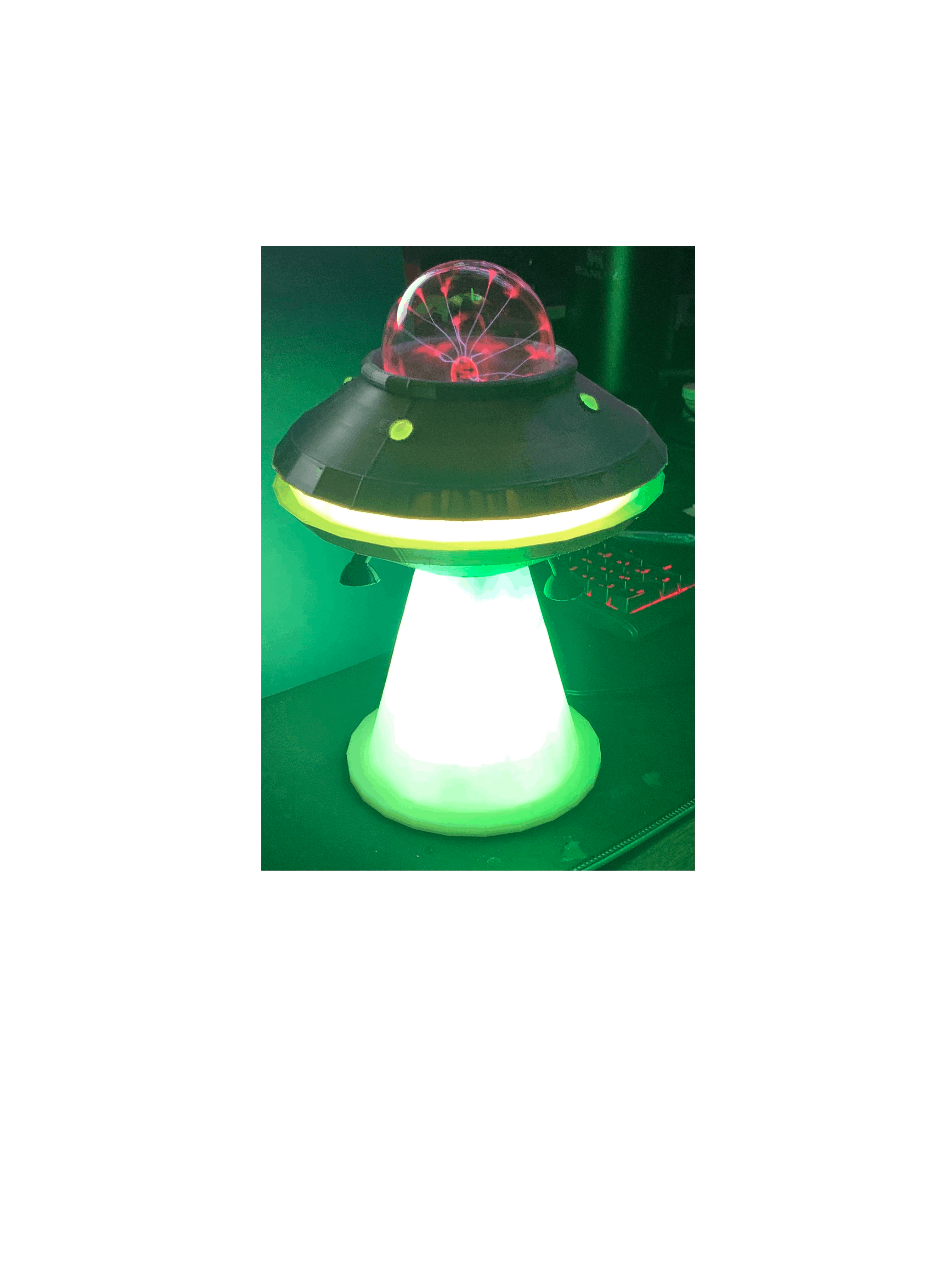
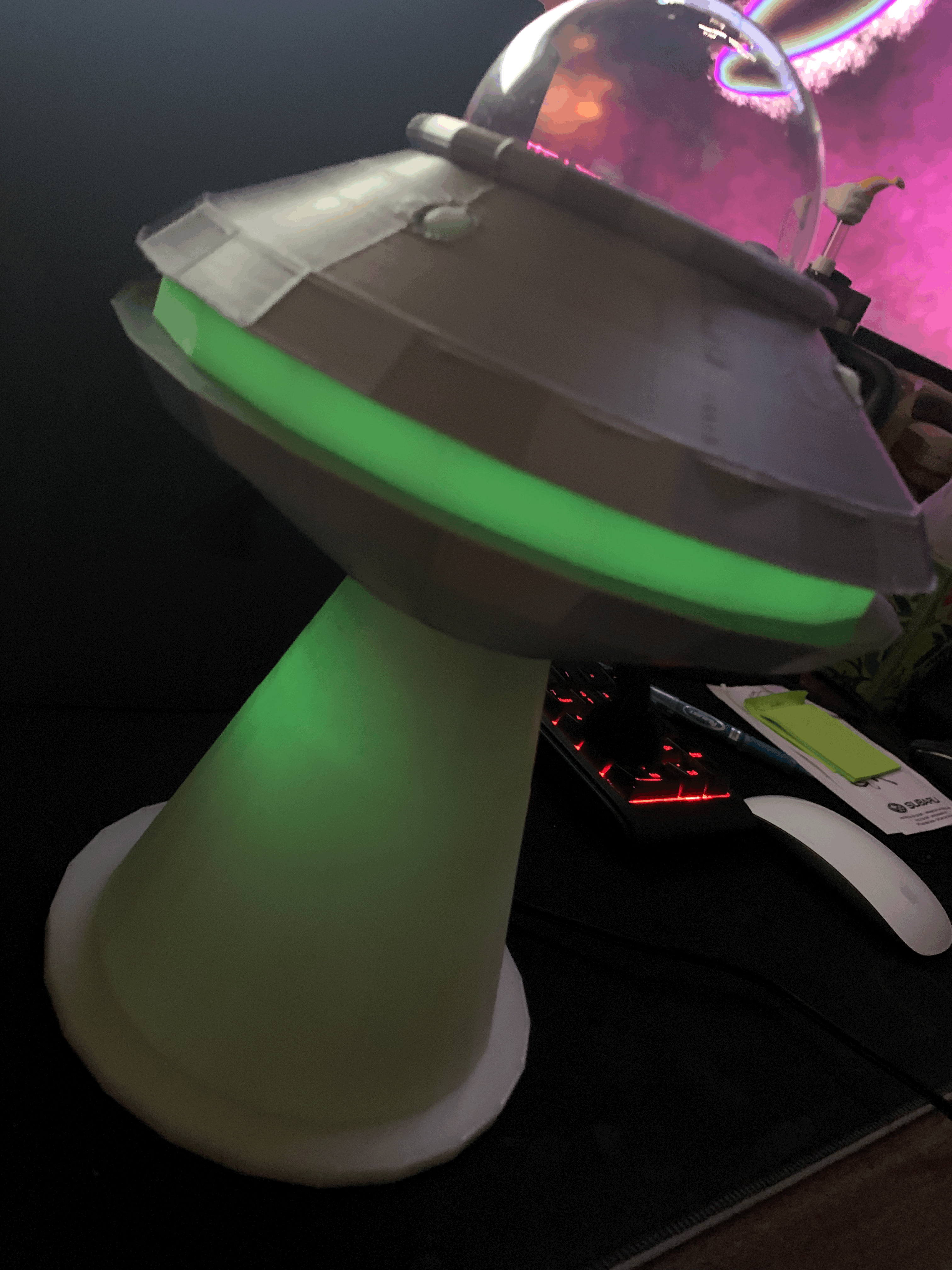
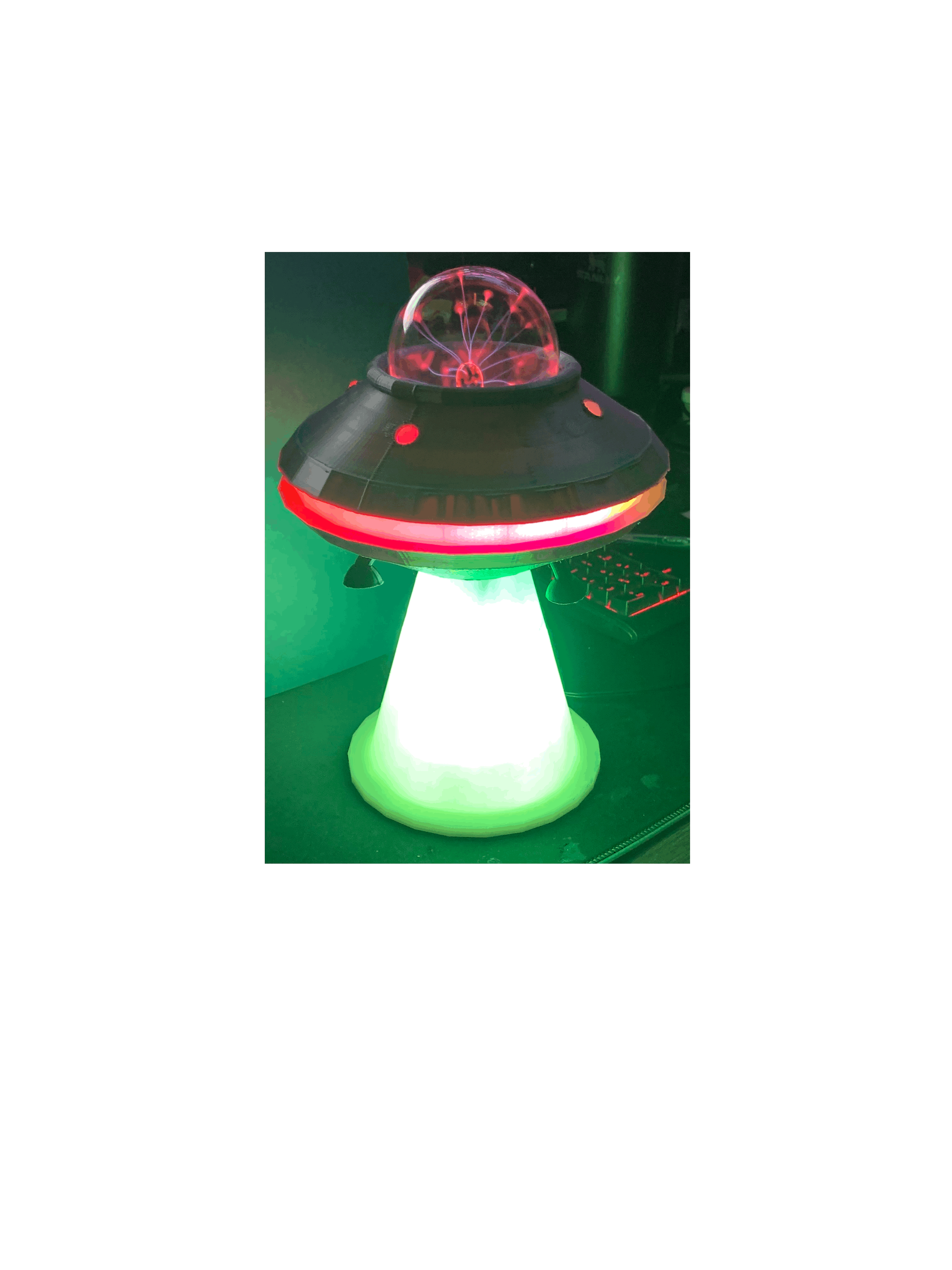
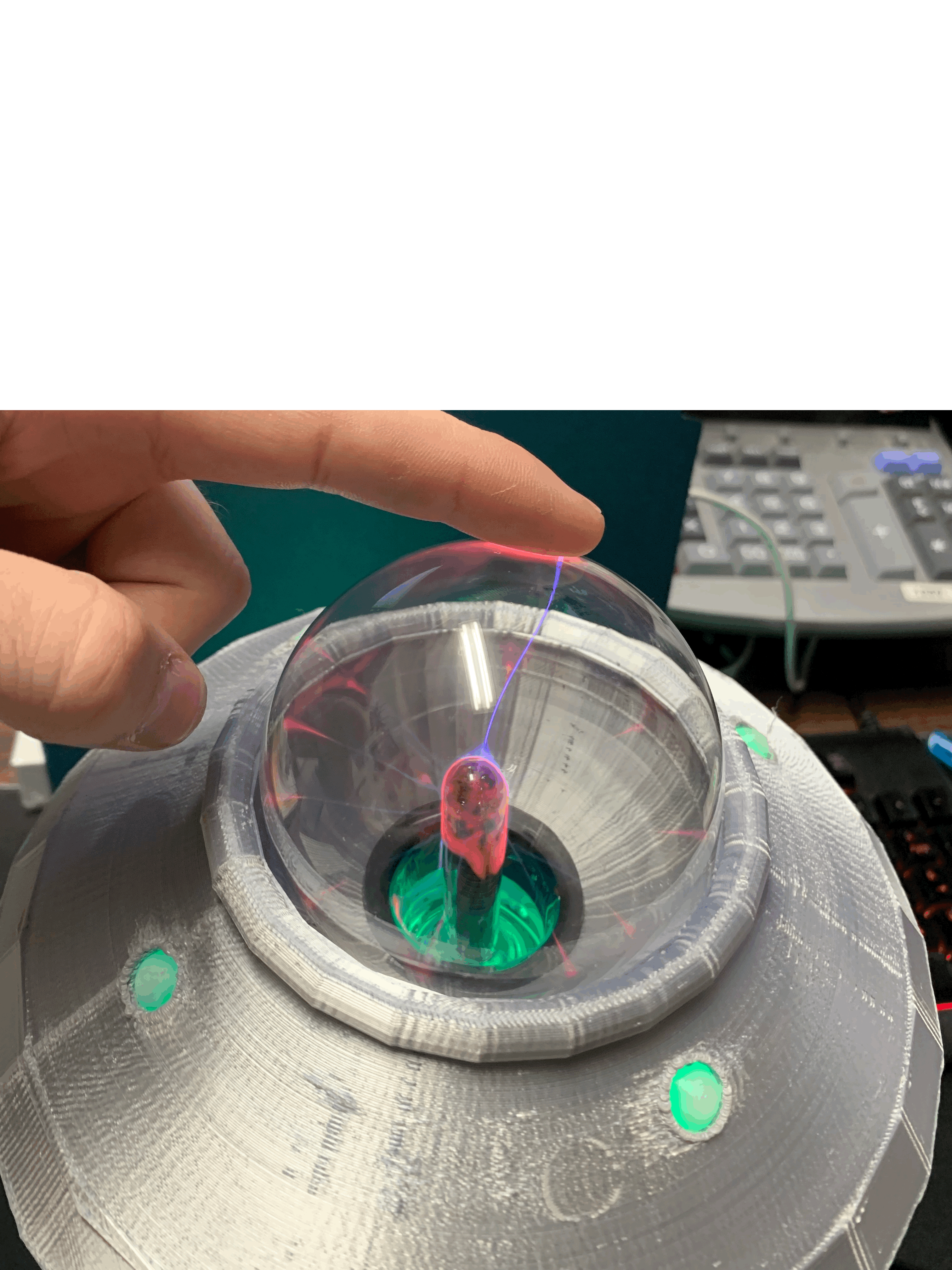
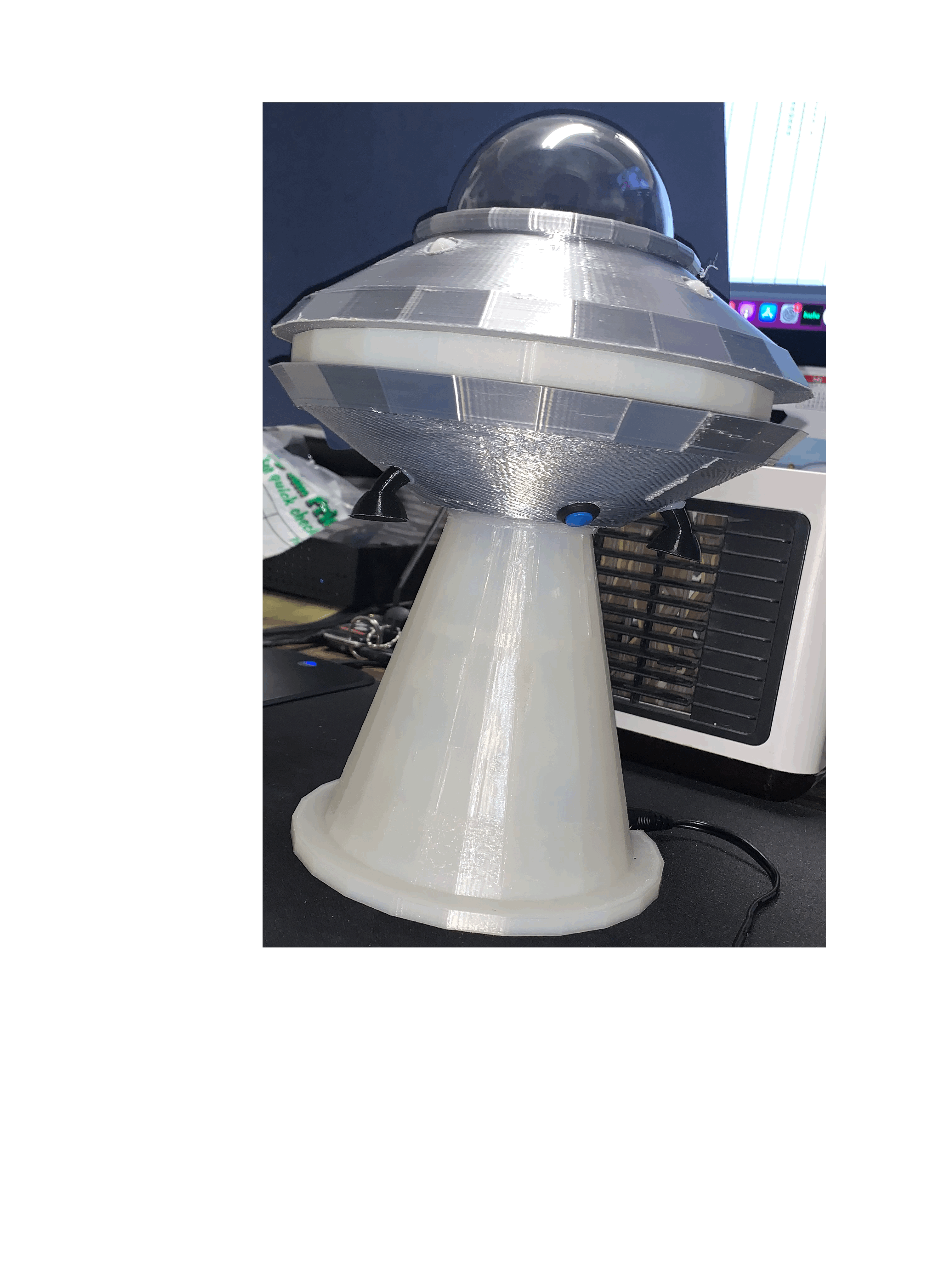
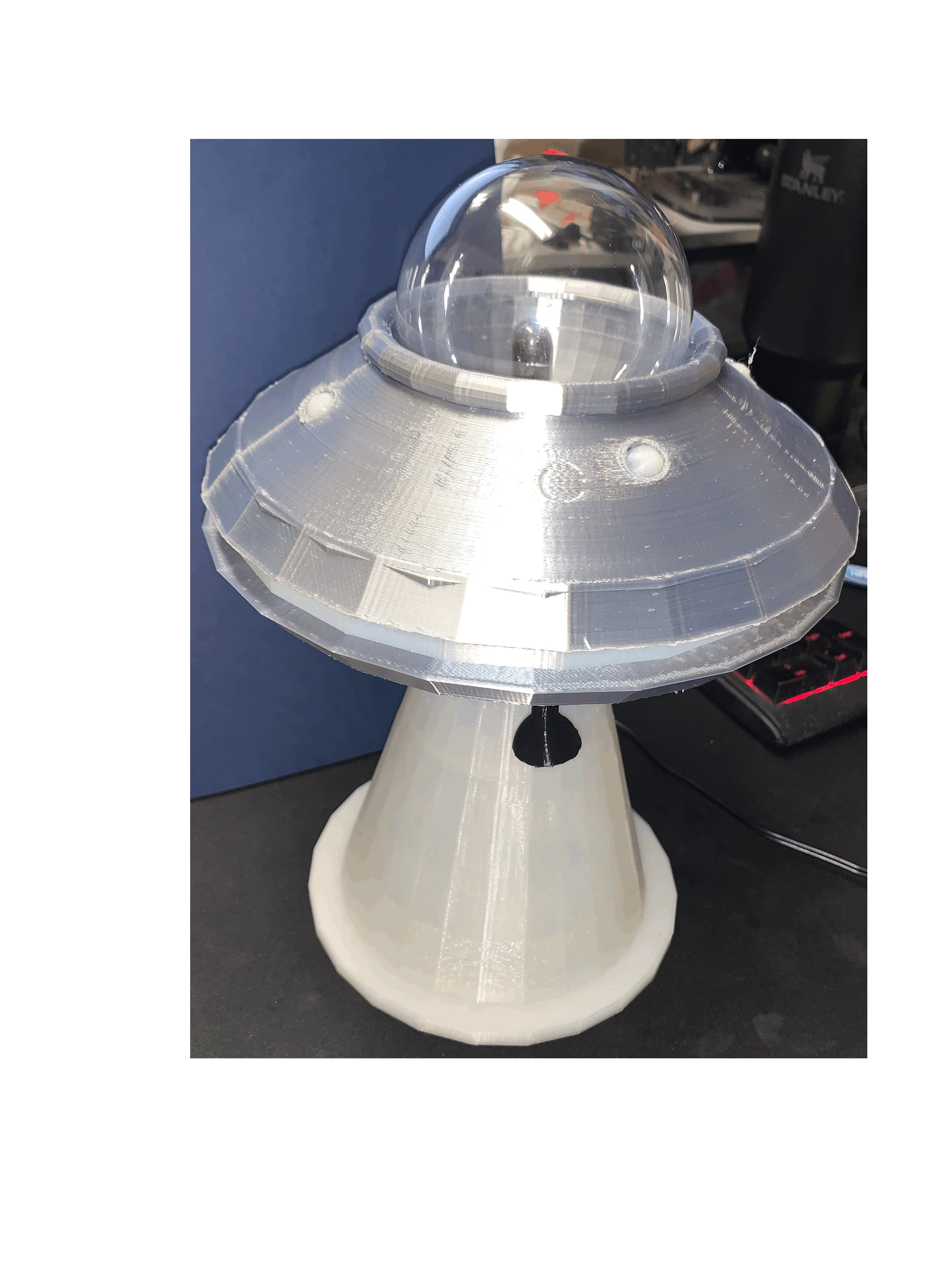
The "Interstellar Plasma Beacon" is a multi-media art installation that combines High-Voltage Physics with modern Digital Lighting. This project transforms a standard 3-inch plasma ball into a cinematic UFO centerpiece. By housing the lamp within a custom 3D Printed chassis and surrounding it with an Arduino Nano ESP32-controlled NeoPixel array, the builder creates a dynamic "Abduction Beam" effect. It is a creative study in High-Frequency discharge, light diffusion techniques, and HID-interrupt state management.
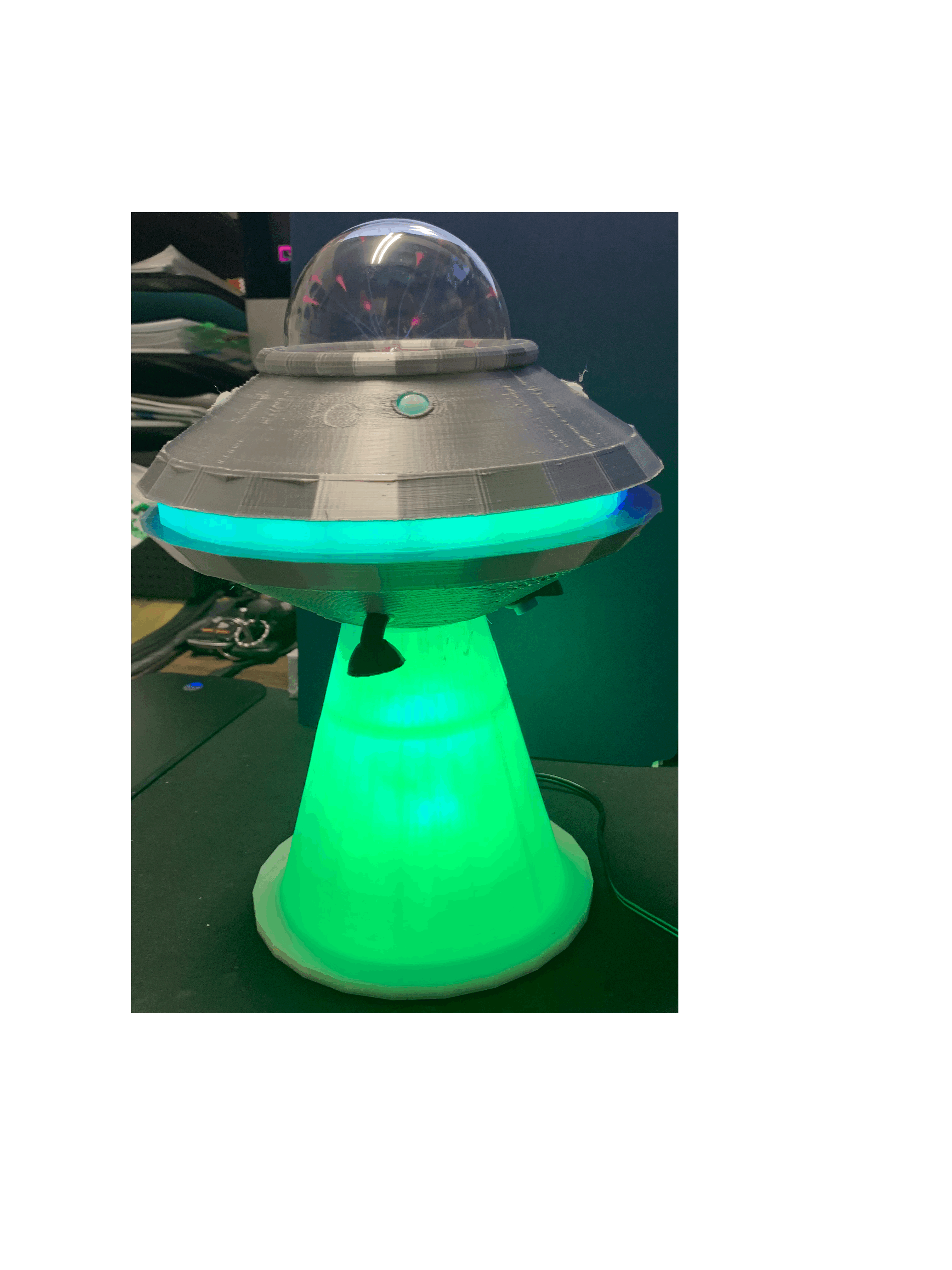
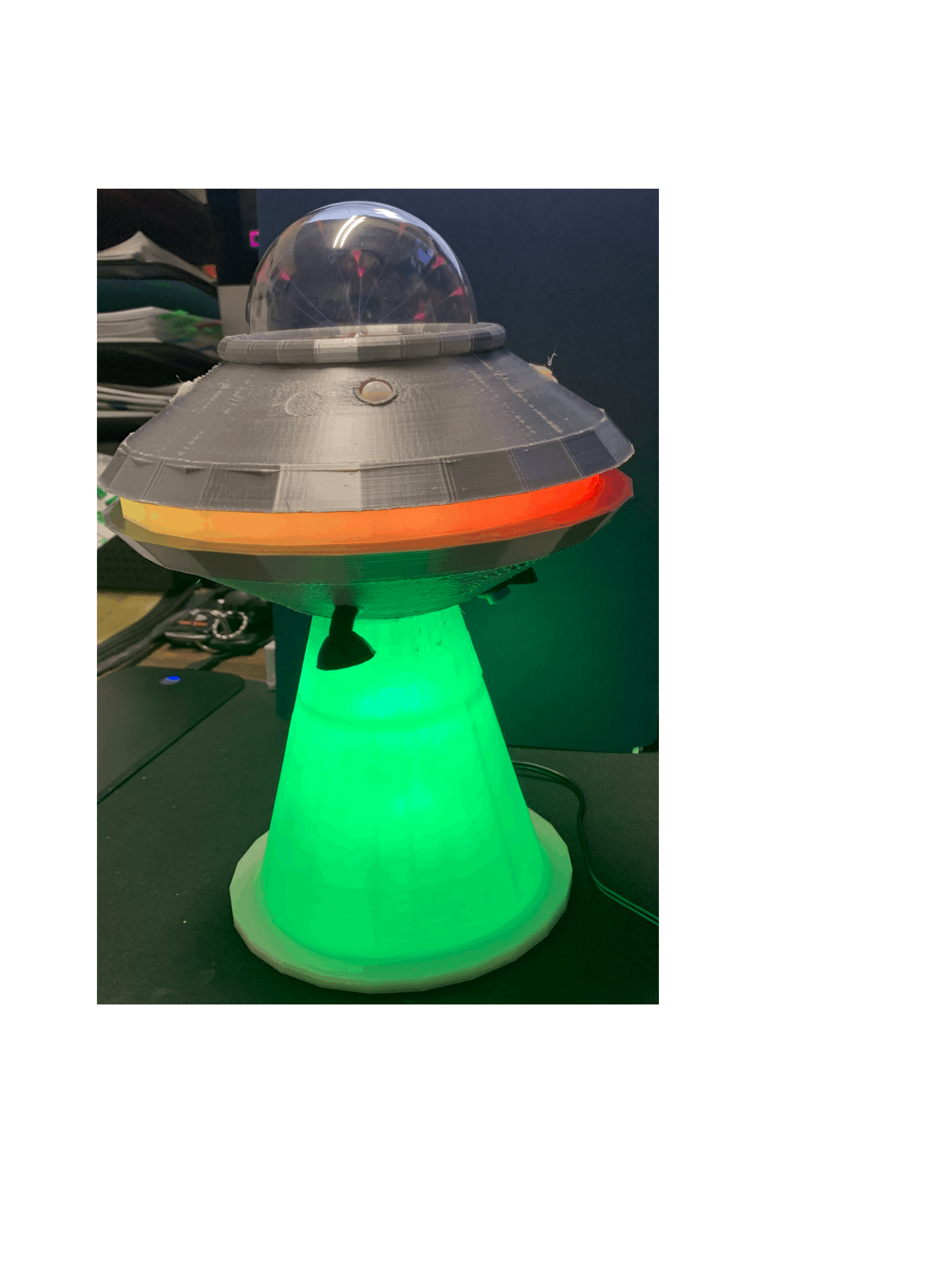
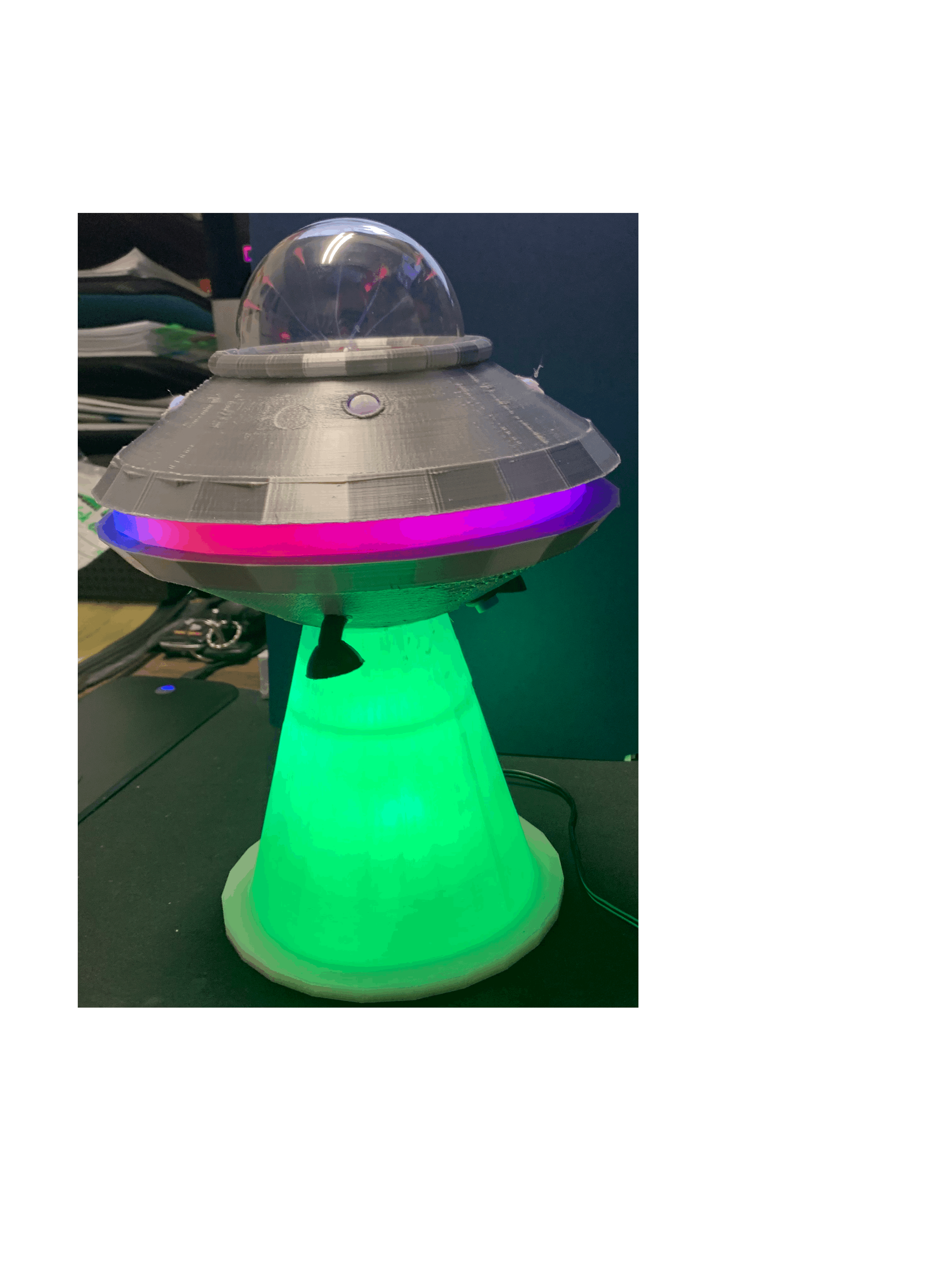
Plasma UFO lamp.
I wanted to spice up my basic plasma ball lamp and create something that has yet to be made. After a couple of test versions, I worked out the kinks and added all the details that I wanted with this lamp. With a push of a button, watch the UFO light up with a fun and exciting light show.
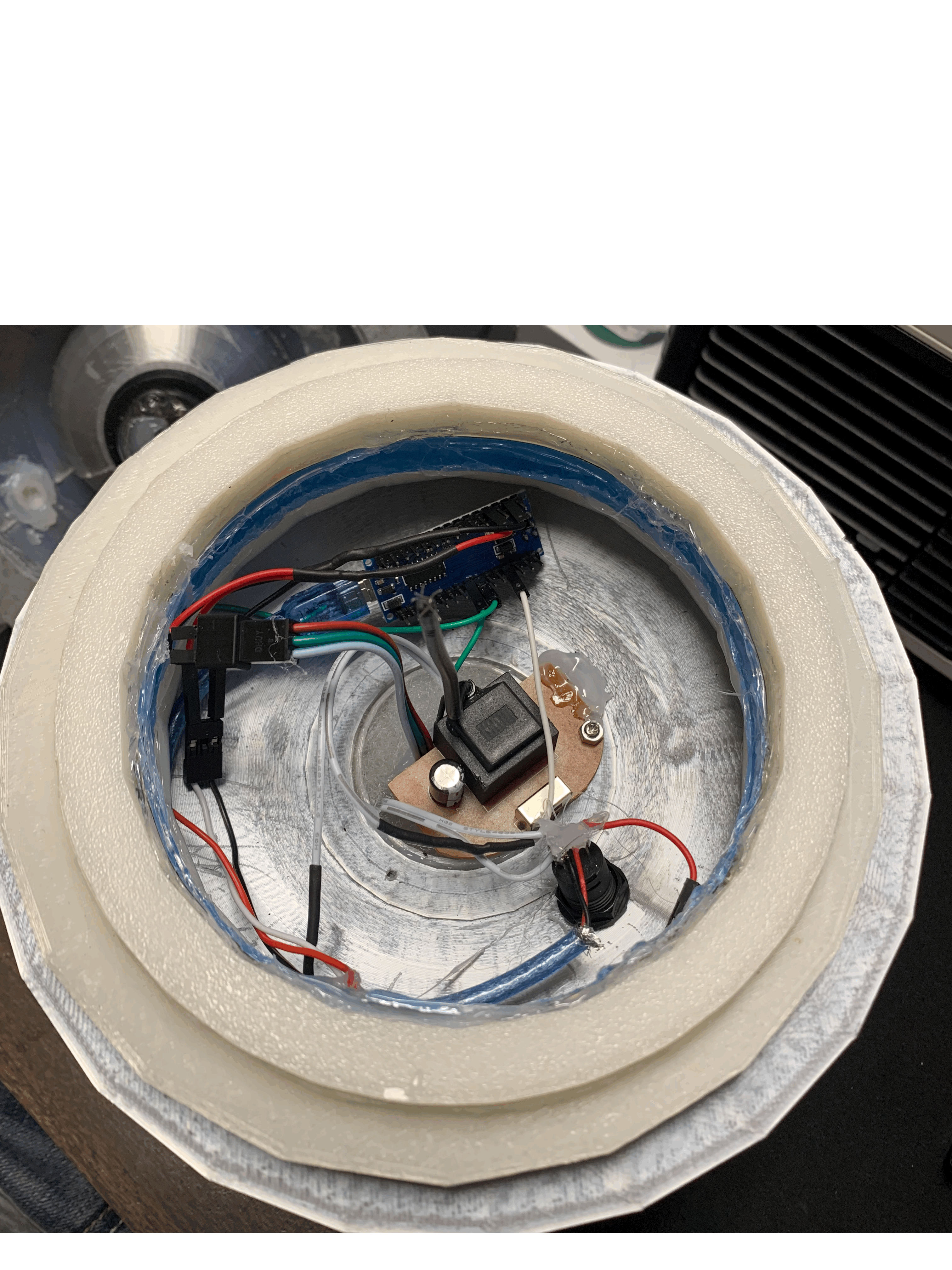
This project does require some basic soldering and assembly, but is quite easy for anyone who has had any experience. For the ones I have made, I have filled the "beam" with basic cotton filling. This helps hide the wiring inside, as well as, gives the lighting a more dissolved cloudy look.
Technical Deep-Dive
- Plasma Physics & RF Interference:
- The Tesla Coil Principal: The core of the 3-inch plasma ball is a miniature Tesla coil. It generates high-frequency, high-voltage alternating current (approx. 20-30kHz) which ionizes the noble gases inside the globe, creating the iconic "tendrils" of plasma.
- EMI Shielding: A significant engineering challenge in this build is Electromagnetic Interference (EMI). The high-frequency noise from the plasma ball can disrupt the delicate I2C or PWM signals of the Arduino. The build utilizes strategic wire routing and internal housing to isolate the Nano ESP32 from the plasma globe's high-voltage power supply.
- Volumetric Light Diffusion:
- The Cotton Fiber Technique: To achieve the "dissolved cloudy look" of a tractor beam, the project utilizes polyester fiberfill. This material acts as a high-density volumetric diffuser for the NeoPixels. Instead of seeing individual "dots" of light, the photons are scattered by the fibers, creating a smooth, ethereal glow that mimics atmospheric plasma.
- Nano ESP32 Animation Engine:
- FastLED Logic: The Nano ESP32 runs an animation script based on the
FastLEDlibrary. It uses a Perlin Noise algorithm or a shifting color palette to simulate the swirling, unpredictable motion of alien energy. - Interrupt-Driven Button Input: The push button is configured with a software debouncer. Every press cycles the
SystemStatevariable, allowing the user to switch between "Warp Drive" (rapid flashes), "Abduction Mode" (pulsing blue), and "Standard Ambient" (warm glow) modes.
- FastLED Logic: The Nano ESP32 runs an animation script based on the
- Power Rail Distribution:
- Unified 5V Bus: Both the plasma ball (which typically runs on 5V via USB or batteries) and the NeoPixel strip share a common 5V 2A power rail. This requires careful current budgeting, as a full-brightness NeoPixel strip can draw up to 60mA per pixel, potentially starving the plasma ball of the current needed for ion initiation.
Engineering & Construction
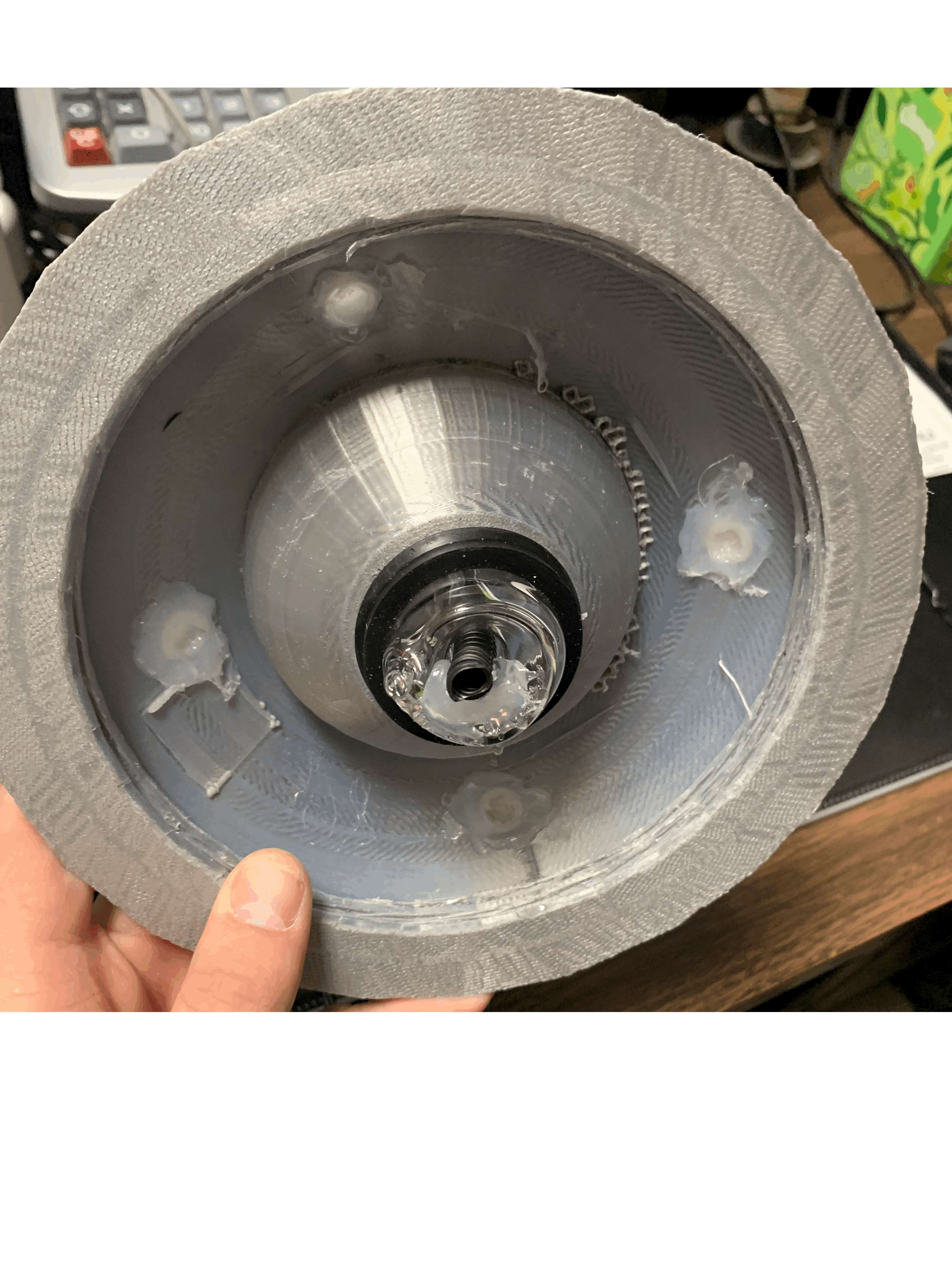
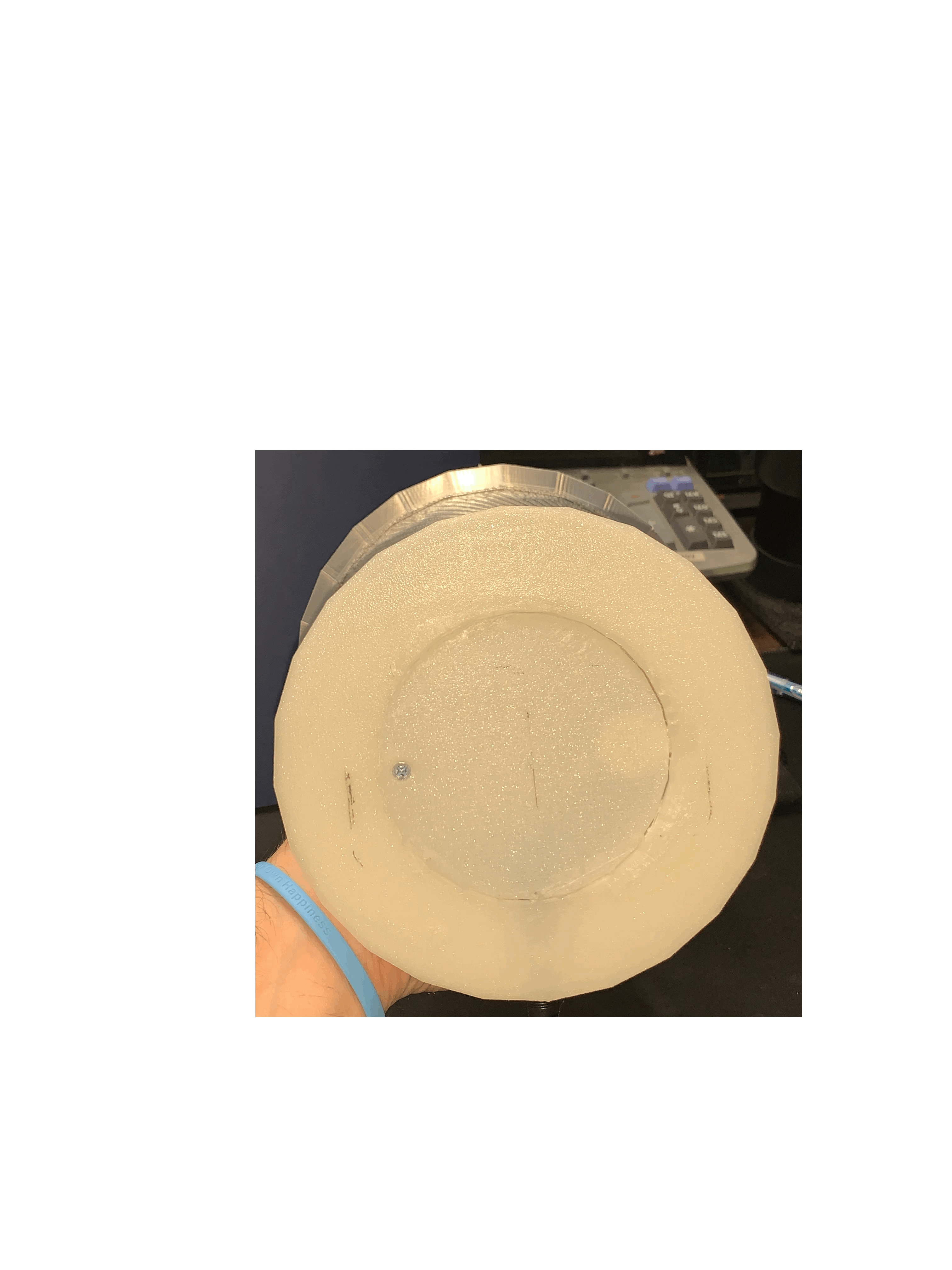
- 3D Printed Structural Integrity: The UFO chassis is designed as a multi-part assembly. This allows for the electronics to be serviced easily. The use of Translucent PLA for the rim sections allows the internal NeoPixel glow to "leak" through the hull, adding to the sci-fi aesthetic.
- Thermal Management: Plasma balls generate a small amount of heat from the central electrode. The 3D printed housing includes ventilation ports at the base to ensure that air can circulate around the internal transformer, preventing the PLA from softening over time.
- Soldering Reliability: Given the vibration potential and the tight internal spacing of a 3-inch globe, the documentation emphasizes the use of Heat Shrink Tubing on all solder joints. This prevents short circuits between the high-voltage leads of the plasma ball and the low-voltage logic of the Arduino.
- Artistic Scalability: This project serves as a template for Reactive Scenery. By adding a small microphone (like the MAX4466), the UFO’s beam can be programmed to pulse in sync with room audio, turning the scientific model into a sound-reactive party light.