IN GENERAL
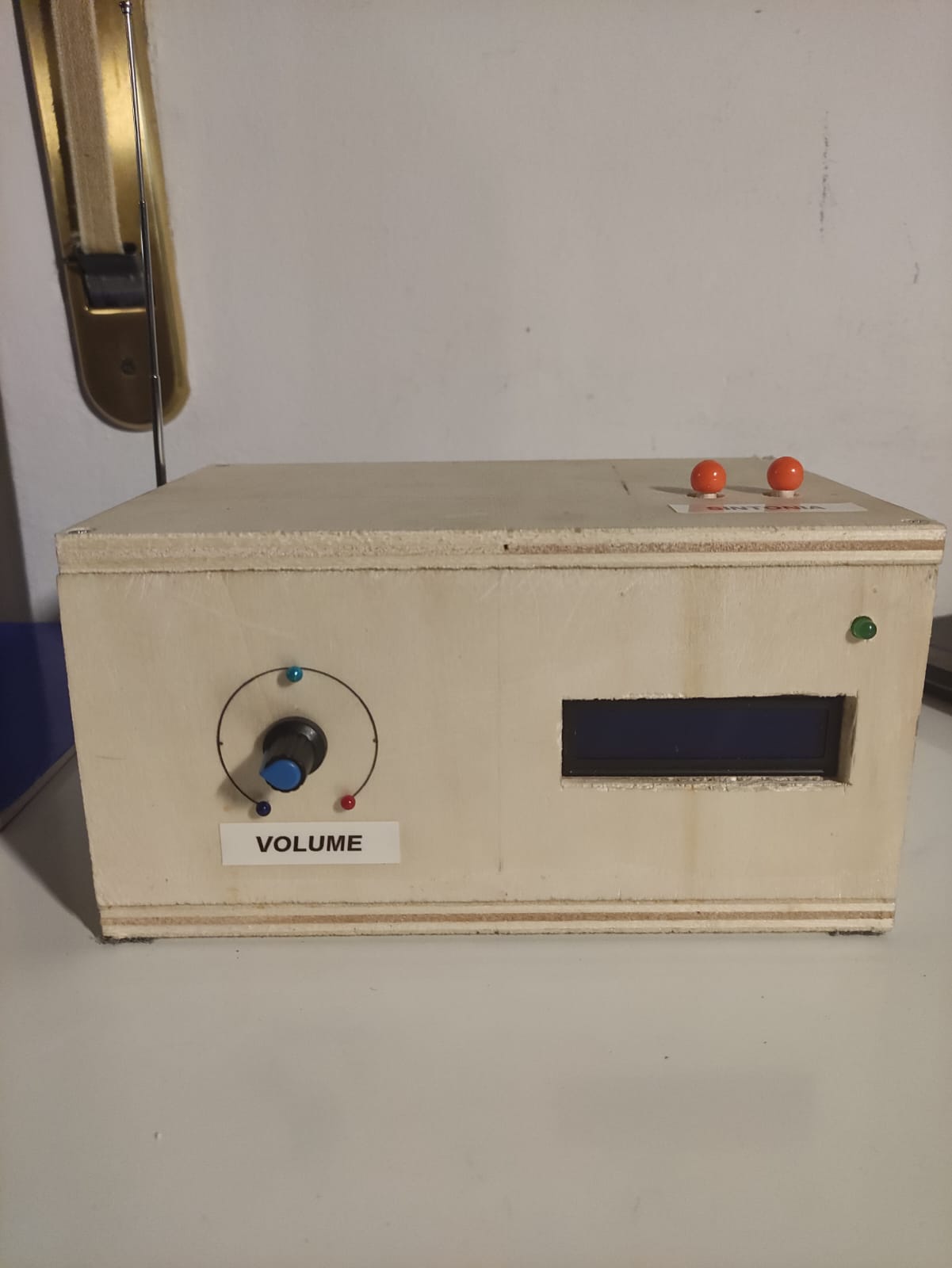
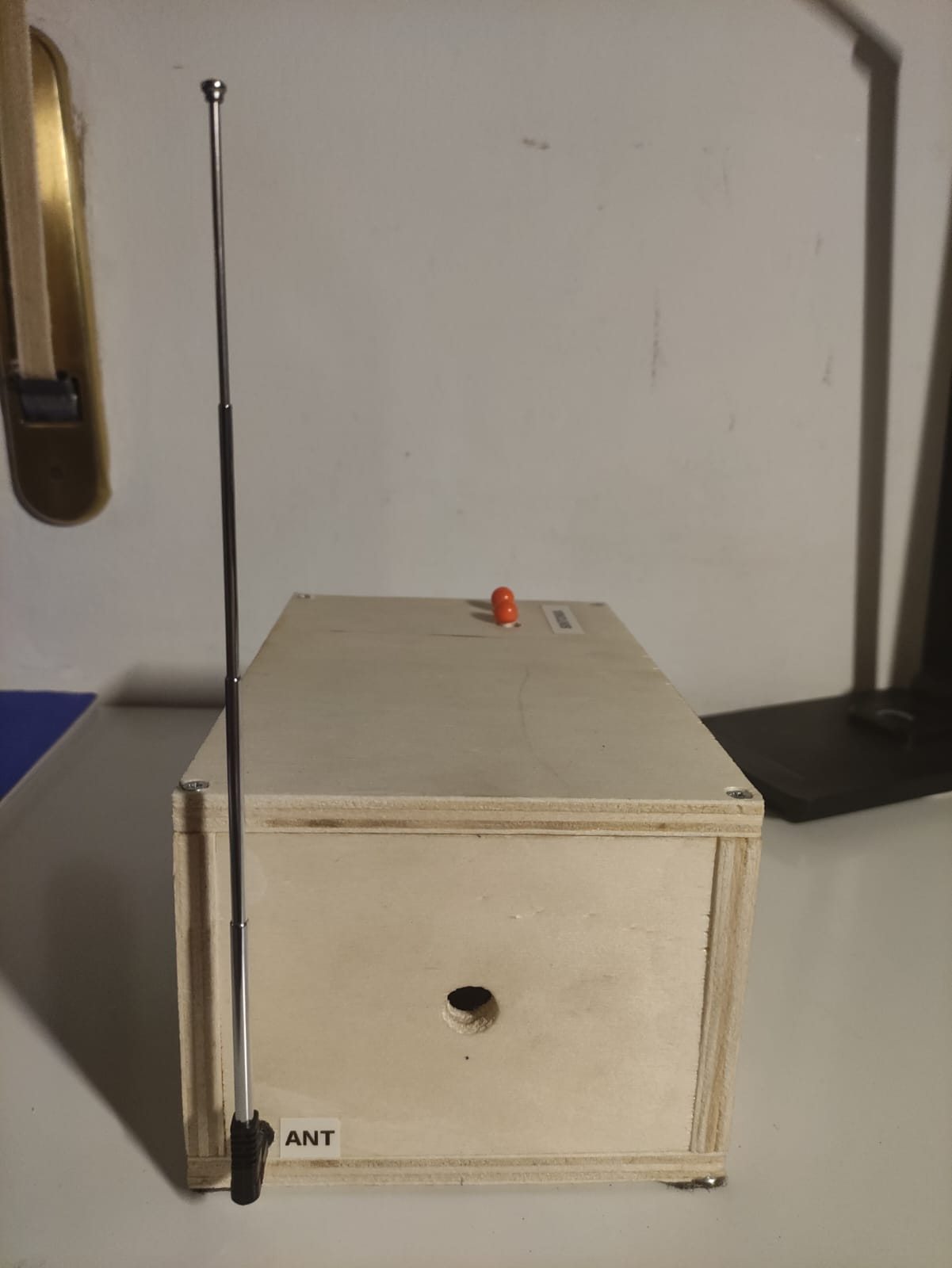
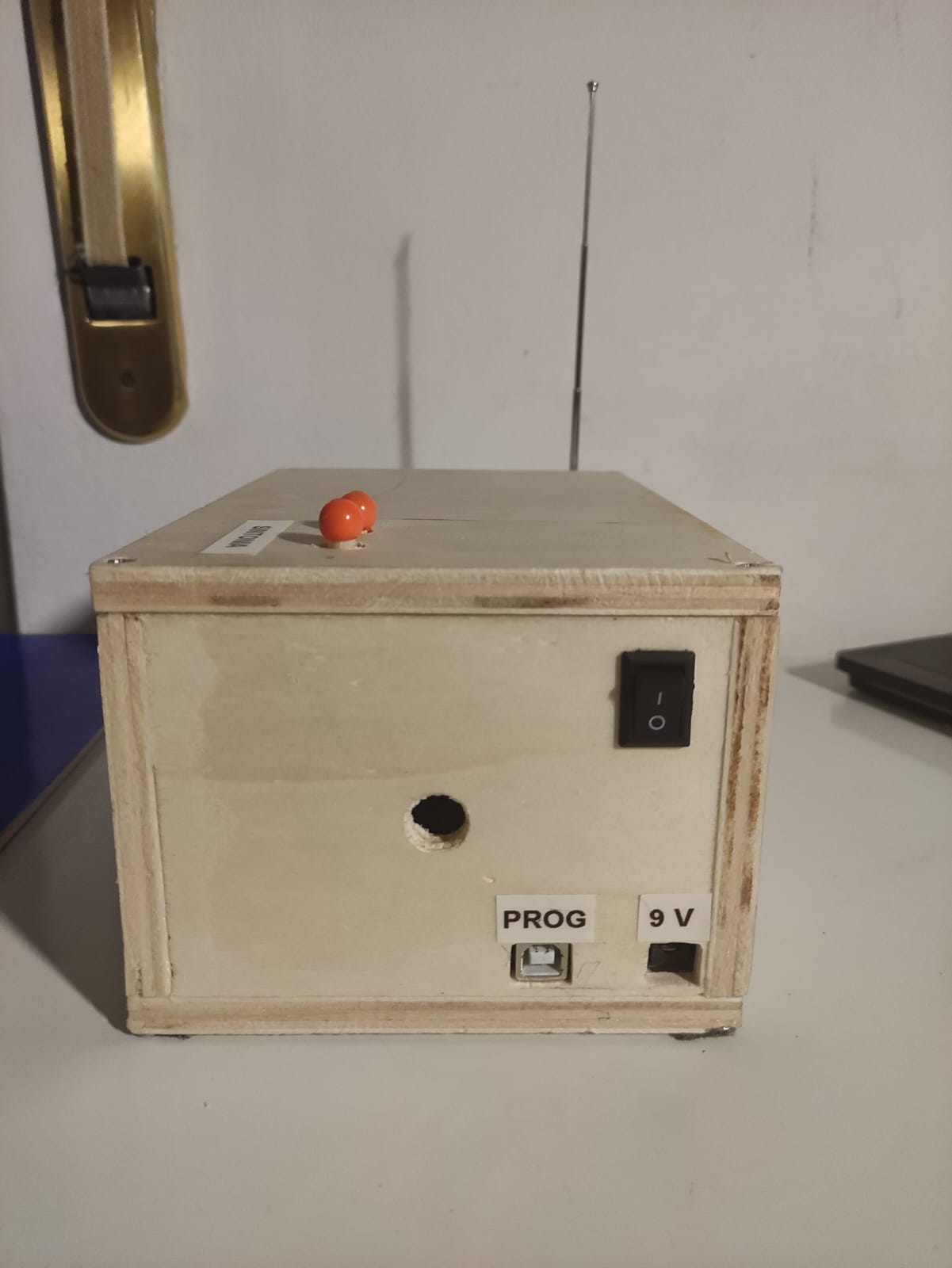
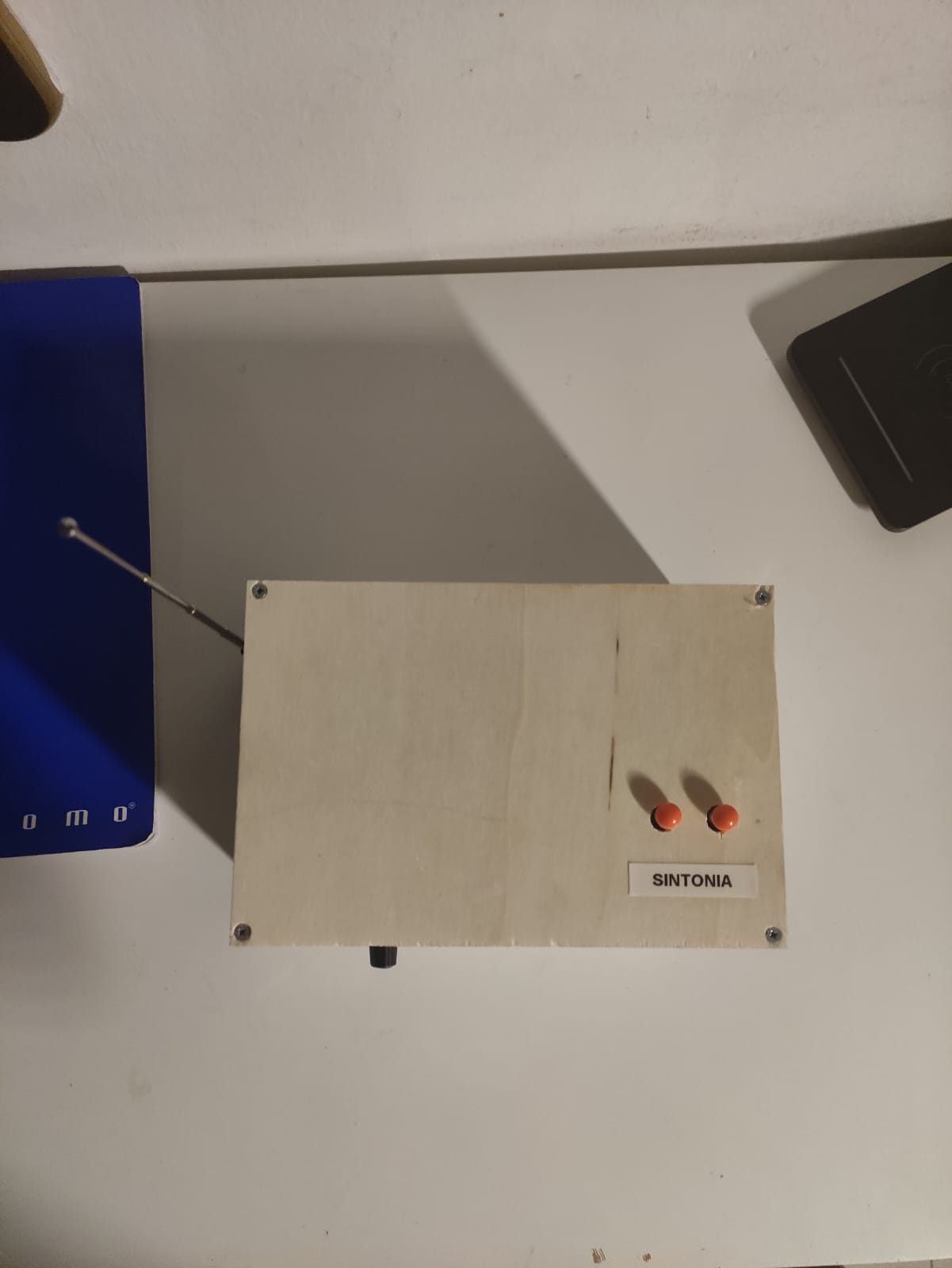
This radio use the radio module TEA5767 which can operate from 76Mhz to 108Mhz. Furthermore, using a spst switch, we can turn on and off the radio and see the frequency chosen on the LCD (this use I2C protocol) by two buttons that change the frequency value. In the last we can change the volume thanks to a potentiometer on an amplificator to whom are connected two speakers and save through the EEPROM the last frequency chosen.
PHOTOS
VIDEO
🛠️ เจาะลึกเบื้องหลังการทำงาน (Deep Dive / Technical Analysis)
Relive the classic era of radio with a modern twist. The TEA5767 FM Radio project allows you to build a fully functional digital tuner that can pick up local FM stations with crystal clarity.
How It Works
The TEA5767 is a tiny, powerful silicon tuner. Instead of turning a physical dial to adjust a variable capacitor, the Arduino sends a frequency command via the I2C protocol.
- The Tune: You use buttons or a potentiometer to select a frequency (e.g., 98.5 MHz).
- The Command: The Arduino calculates the PLL (Phase-Locked Loop) data and sends it to the TEA5767.
- The Output: The module outputs a stereo audio signal, which you can plug into an amplifier or headphones.
Components List
- Arduino Uno/Nano: The tuner's brain.
- TEA5767 FM Radio Module: The receiver hardware.
- PAM8403 Amplifier (Optional): If you want to drive speakers directly.
- Potentiometer: For smooth volume and tuning control.
- 3.5mm Audio Jack.
Enhancing the Setup
Most makers add a 16x2 LCD to show the current frequency and station signal strength. It's a great project for learning about radio frequency (RF) basics, antenna design, and the digital control of analog signals.